

How do you translate the Israeli story for audiences abroad? And does what works in Hebrew also work in English? A first-of-its-kind conference held Wednesday at the ynet offices in Rishon Lezion sought to answer exactly those questions.
The event, “From Israel to the World – How to Communicate the Israeli Story on the International Stage,” was held in collaboration with Taboola, monday.com and Ifat Media. It focused on the challenges facing Israeli communications abroad, particularly at a time when Israel’s narrative is being scrutinized around the world under a magnifying glass.
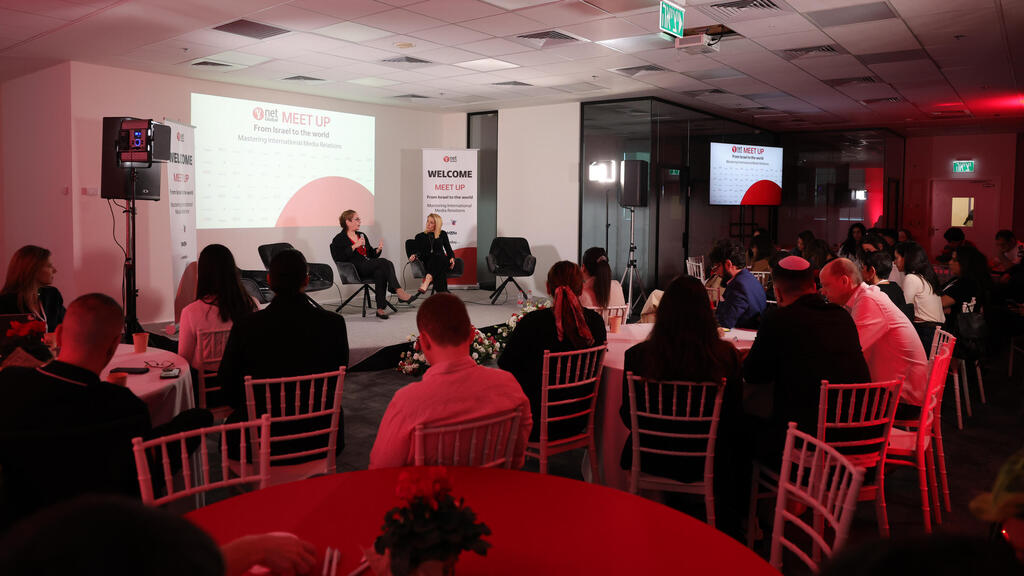
The conference was hosted by ynet studio anchors Sharon Kidon and Alexandra Lukash. Among the keynote speakers were Sharon Shalmon Esman, CEO, and Karen Shemesh, editor-in-chief of ynet Global, ynet’s international content arm. They offered a behind-the-scenes look at working in the global arena and explained why it is not enough to simply translate a Hebrew headline and expect it to resonate with audiences in the United States or Europe.
Panels and lectures addressed topics including public diplomacy, public relations work with foreign media, message management, AI tools and how to tell an authentic Israeli story in a way that fits the digital world.
One of the central panels focused on public communication strategies toward global audiences. Public relations executive Rani Rahav spoke about the importance of sharpening Israel’s message and stressed that the world does not always understand Israeli cultural codes.
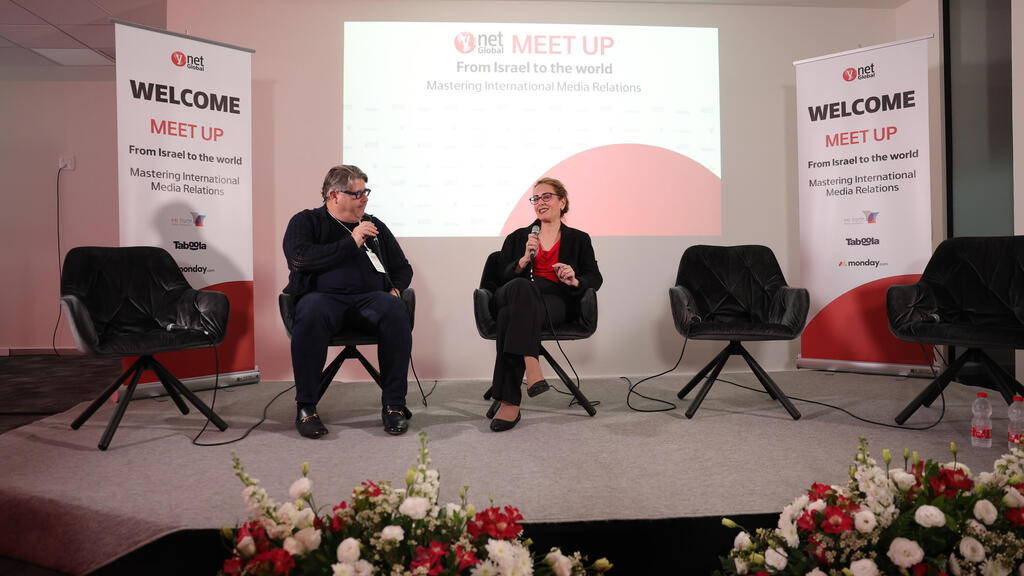
ynet Global editor-in-chief Karen Shemesh, right, talks with Rani Rahav about the importance of sharpening Israel’s message
(Photo: Oz Moalem)
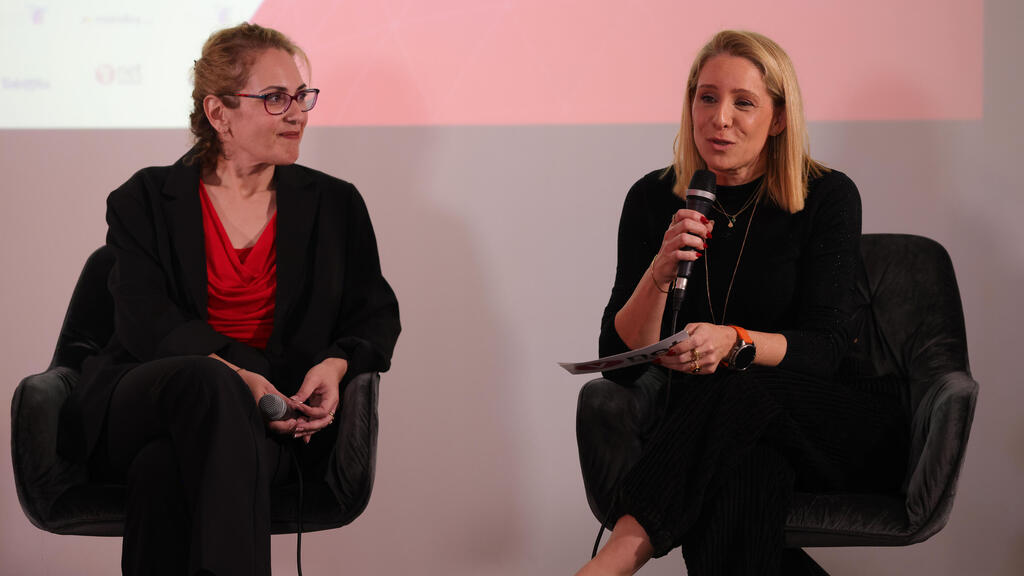
ynet Global Editor-in-Chief Karen Shemesh and CEO Sharon Shalmon Esman
(Photo: Oz Moalem)
Meny Avrahami, CEO of Ifat Media, explained how Israel often struggles to convey its narrative in the face of pro-Palestinian and Hamas messaging, which, he said, spreads rapidly—sometimes without adequate response—despite Israel’s clear advantages in media, technology and social networks.
A panel on influencers, moderated by Maayan Sarig, head of communications at Meta Israel, and featuring content creators Rudy Rochman, Or Elkayam and Moriya Ben Harush, examined news consumption among young people and teenagers—and the challenge of building trust with a generation that questions nearly every source of information. The speakers shared practical insights on creating content for Instagram, TikTok and YouTube and discussed the delicate balance between virality and journalistic responsibility.
The closing panel, moderated by Alexandra Lukash, focused on the tech perspective of communications. Participants included Asaf Azulay, partner and CMO at Team8; Hilla Bakshi, founder of the HaMeetupistiot community; Dana Raz, acquisition & VC's lead at TikTok Israel; and Dana Zax, a marketing consultant for international brands. The speakers shared their experience working with foreign media and analyzed how to tell an Israeli story that resonates with global audiences, even when it involves an international technology brand.