

China’s ruling Communist Party has tried nearly everything to persuade its people to have more children: casting childbirth as a patriotic duty, pressuring newlyweds about family planning and even imposing a tax on condoms. None of it has worked.
For a fourth consecutive year, China reported more deaths than births, with the birth rate falling to a record low. The government said 7.92 million babies were born last year, down from 9.54 million in 2024. Deaths continued to rise, reaching 11.31 million in 2025.
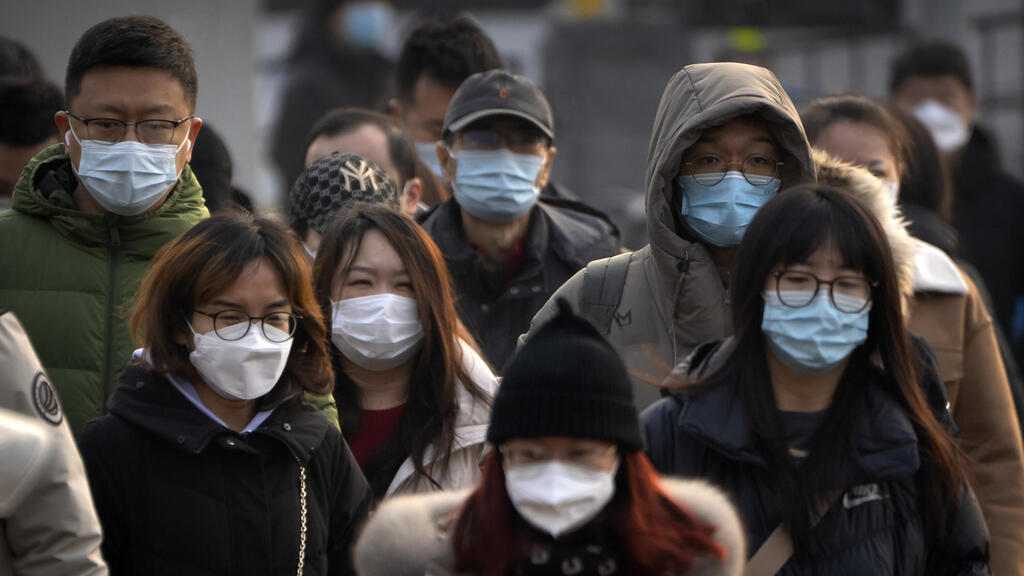
The number of births per 1,000 people dropped to 5.63, the lowest level recorded since the founding of the People’s Republic of China in 1949. Governments around the world are grappling with declining birth rates, but the challenge is particularly acute for China. Fewer babies mean fewer future workers to support a rapidly growing population of retirees, a strain compounded by years of economic difficulty.
China’s top leaders have intensified efforts to raise the birth rate enough to reverse the decline, but demographers say it is likely too late. The country has crossed a demographic threshold in which its fertility rate — the average number of children a woman has over her lifetime — is so low that population shrinkage is difficult to stop.
President Xi Jinping has called for a “new culture of marriage and childbearing,” urging officials to shape young people’s views on “love and marriage, fertility and family.” Local officials have responded with increasingly blunt measures, including tracking women’s menstrual cycles and issuing guidance to reduce abortions that are not medically necessary. Many such steps have been met with indifference from young people who say they do not want to start families.
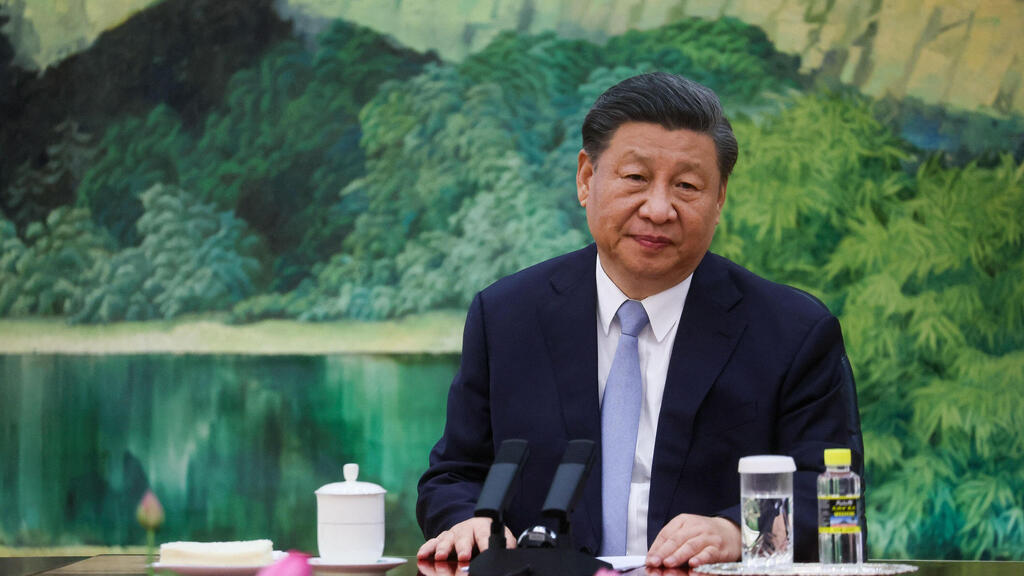
Xi Jinping
(Photo: AFP)
In January. 1, authorities imposed a 13% value-added tax on contraceptives and condoms, a move that drew apathy, mockery and scorn from the public. While the policy was not explicitly framed as a pro-natalist measure, a skeptical public quickly interpreted it as yet another attempt to push people to have more children. On Chinese social media, users complained that higher prices were irritating but still cheaper than raising a child. Others pointed out that condoms serve more than one purpose.
Other government efforts, including cash incentives and subsidized housing for couples, have also failed to lift birth rates. For many young adults, the high cost of raising a child is especially daunting amid a slowing economy and a prolonged property crisis. Youth unemployment remains high, and many university graduates struggle to find stable, well-paying jobs.
China arrived at this demographic predicament sooner than expected. Just over a decade ago, officials relaxed the one-child policy to allow two children per couple, then expanded it to three in 2021. The delay left the government with less time to shore up pension and health care systems that are already underfunded.
At the same time, the country has seen a sudden and rapid decline in its working-age population. The number of people age 60 and older is expected to reach 400 million by 2035. Many younger Chinese also express reluctance to contribute to the public pension fund, citing the growing financial burden.