

The U.S. Department of Commerce is preparing to loosen export controls and allow sales of Nvidia H200 artificial intelligence chips to China, according to a Monday report by Semafor. The plan, according to a person familiar with the discussions, would permit shipment of chips that are about 18 months behind Nvidia’s most advanced products.
The proposed shift is aimed at finding a compromise inside Washington. Some officials want to block any export of high end AI hardware to China, arguing it could boost Beijing’s military and surveillance capabilities. Others warn that sweeping bans are pushing Chinese customers toward domestic suppliers and eroding U.S. influence over global AI standards.
Under the new approach, Nvidia would be able to export H200 chips to China. The White House hopes Chinese authorities will accept the H200, unlike the company’s downgraded H20 model, which Beijing effectively halted over security concerns. Allowing H200 shipments could open a major market for Nvidia while keeping U.S. technology central to advanced computing worldwide. Commerce Secretary Howard Lutnick supports the plan, the person said.
Export restrictions tightened during the Biden administration were designed to slow China’s AI progress by limiting access to cutting edge chips. But some Trump administration officials now believe the policy has not achieved its goal. In recent months, Chinese firms such as DeepSeek and Alibaba have produced top tier AI models despite the curbs, and Huawei has accelerated efforts to supply chips that replace banned U.S. hardware.
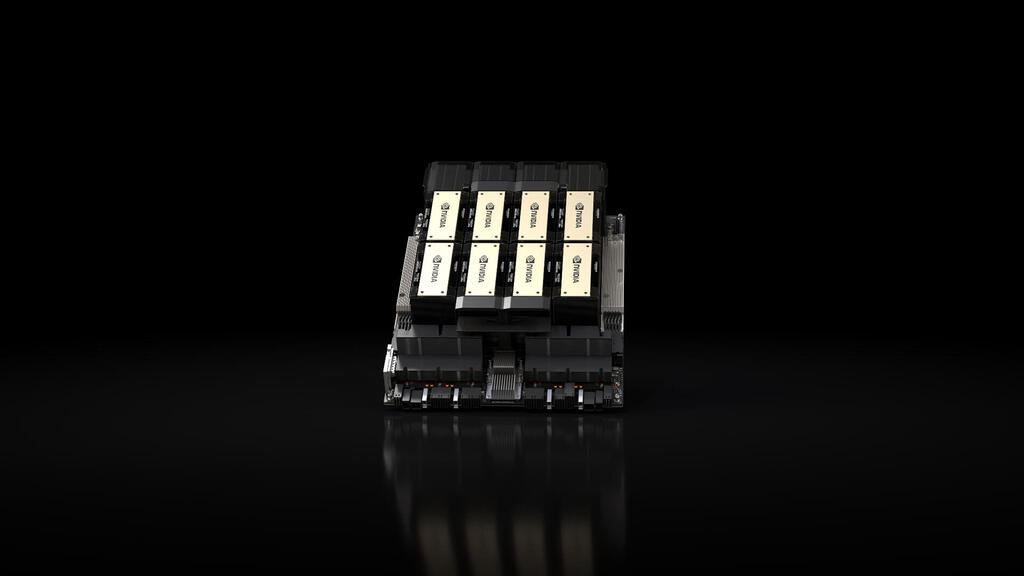
H200
(Photo: Nvidia)
Supporters of the restrictions say they still bought the United States time and helped domestic companies expand market share during a critical window. Critics counter that the limits are encouraging rapid Chinese self sufficiency and shrinking U.S. commercial reach.
The debate is unfolding as Washington struggles to rebuild its own chip manufacturing base and reduce dependence on Taiwan Semiconductor Manufacturing Company. At the same time, China has used its dominance in rare earth minerals, essential for batteries and other technologies, as leverage in broader trade talks.
Nvidia and the White House did not immediately respond to requests for comment.