

After many years of reservations about taking Israel Aerospace Industries (IAI) and Rafael Advanced Defense Systems public due to concerns that such moves could expose sensitive activities, the Defense Ministry is changing its position and giving its consent in principle, Calcalist has learned.
The ministry’s position could provide a boost to the Government Companies Authority, which has already held discussions with IAI and the ministries of Defense, Finance, and Justice about issuing minority shares at a company valuation of 80 billion to 100 billion shekels, approximately $25 billion to $32 billion. The authority has also recently asked Rafael’s management to prepare for discussions ahead of a possible IPO.
Following recent discussions between Defense Ministry Director General Amir Baram, the director of security of the defense establishment, Yuval Shimoni, and Defense Minister Israel Katz, it was determined that the IPOs of the two companies, both fully government-owned, would be carried out simultaneously.
The goal is to prevent a scenario in which the IPO of one company weakens the other, which would remain subject to heavy regulatory restrictions that apply to government companies while also risking a potential brain drain.
According to an additional condition set by the Defense Ministry, each company would issue up to 30% of its shares. The offerings would take place only on the Tel Aviv Stock Exchange and would primarily target institutional investors.
Defense sources told Calcalist that the process is expected to take about a year, partly due to confidentiality orders required to protect classified activities conducted by the companies.
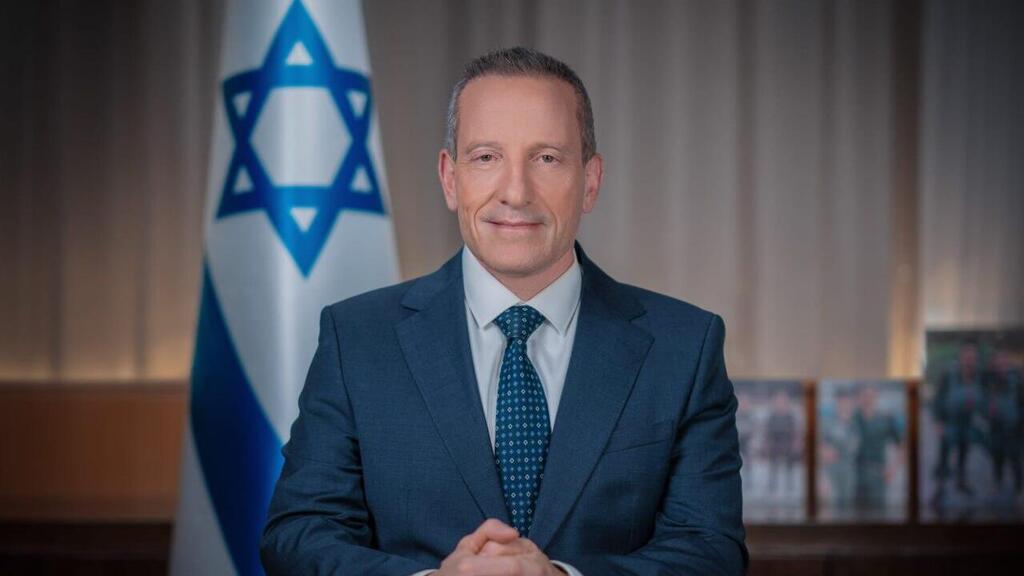
Defense Ministry Director General Amir Baram
(Photo: Elad Malka, Defense Ministry)
The Defense Ministry also debated the timing of the IPOs and decided it would be preferable to take advantage of the companies’ current peak in sales in order to maximize proceeds.
Funds raised from the offerings are expected to significantly increase the state’s defense budget over the coming decade, which Director General Baram has described as a “decade of force buildup,” characterized by extensive procurement and reinforcement programs for combat systems and military platforms in response to future threats.
IAI’s IPO was approved by the government in 2020 and is in a much more advanced stage than Rafael’s. Rafael, as far as is known, has not yet been formally valued because significant parts of its operations are classified.
IAI also issues bonds and therefore already reports to the Tel Aviv Stock Exchange, making its financial statements publicly accessible.
Last week, IAI published its results for 2025, reporting a 20% increase in sales compared with the previous year, totaling $7.4 billion. Its net profit rose 45% to a record $712 million.
The director of security of the defense establishment is expected to play a central role in the IPO process, as it oversees the protection of classified activities within these companies.
Last week, the government approved the appointment of Gil Reich as the next head of the National Security Council. In recent months, he has served as acting head of the council.
Reich is expected to assume the position in June, replacing Yuval Shimoni, who is expected to move to a new role.