

More than three years after Russia’s invasion of Ukraine, no end to the conflict is in sight, and one thing seems certain: efforts to force President Vladimir Putin to stop the bloodshed through economic sanctions have decisively failed.
Since the invasion began, the U.S. has added over 6,000 companies and individuals linked to Russia’s war effort to its sanctions list, requiring financial institutions to screen transactions and block illegal activities or face severe penalties, including fines or being added to the sanctions list themselves.
Gallery
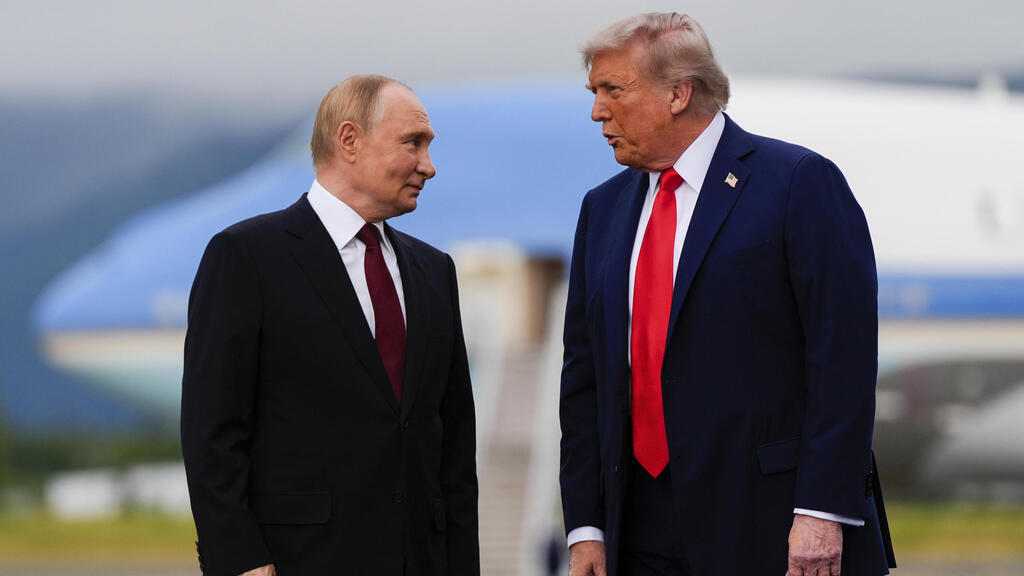
Russian President Vladimir Putin and U.S. President Donald Trump
(Photo: AP Photo/Julia Demaree Nikhinson)
Yet, Russia has managed to sustain hundreds of billions of dollars in cross-border trade as these institutions find ways to circumvent sanctions.
In April 2025, Moscow hosted the Expo Electronica electronics fair, featuring over 600 companies displaying advanced semiconductors and large screens advertising chips the U.S. sought to block from export to Russia.
A Russian Defense Ministry delegation, led by Vasily Alistratov, head of the Kremlin’s AI development program, attended and engaged with suppliers. Among them was Allchips, a Hong Kong-based semiconductor trader added to the U.S. sanctions list eight months earlier, known for supplying components used in Russian cruise missiles targeting Ukrainian cities.
A New York Times investigation found that eight of the top 10 global sanctions violators since 2014 were financial institutions, with only two cases directly tied to Russia: a venture capital firm managing funds for a sanctioned oligarch and Binance, a crypto exchange penalized not solely for aiding Russia but also for dealings with Iran, North Korea, Syria and Cuba.
Of the 6,000+ entities on the Russian sanctions list, most are individuals and small shell companies, with fewer than 30 being major non-Russian firms and just five financial institutions.
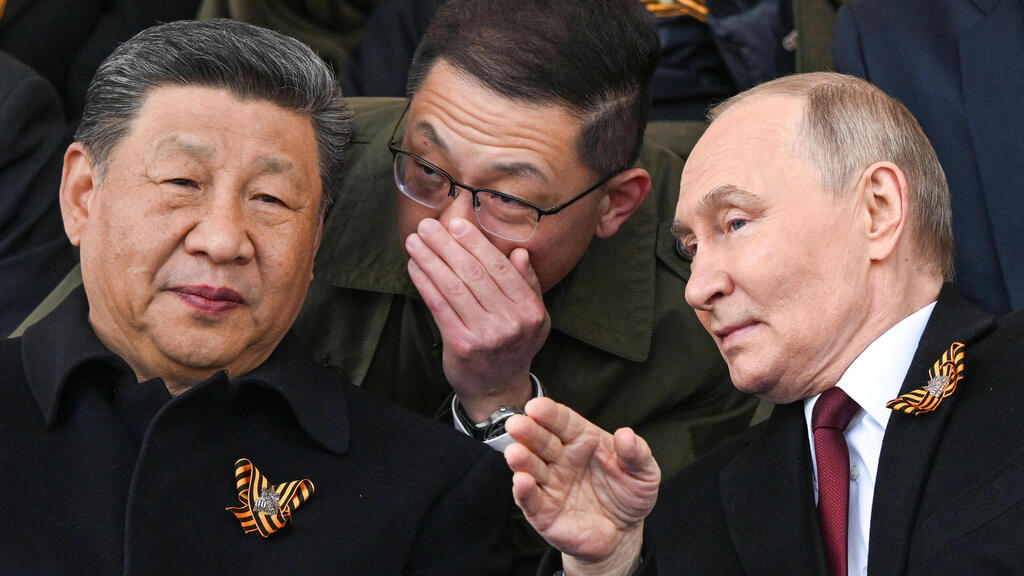
Chinese President Xi Jingping and Putin
(Photo: Sergei Bobylyov/Host agency RIA Novosti/Handout via Reuters)
Oversight of financial entities aiding Russia has grown increasingly complex as the war progressed. Isolated from much of the Western world, Russia has deepened ties with economic lifelines like Gulf states, India, and especially China, which holds the key to breaking the sanctions stranglehold.
“There are many companies around the world that have violated secondary sanctions threats, do you really want to strain your relationship with the U.A.E. or China?” Edward Fishman, a senior researcher at Columbia University and former Treasury official, told the Times.
Sanctioning major Chinese banks could slow global trade, freeze supply chains for nearly every product, and spike American consumer prices.
Martin Chorzempa, a senior fellow at the Peterson Institute for International Economics, noted: “This calculus has made Chinese banks nearly unsanctionable.” This reality likely explains Putin’s confident demeanor during his meeting with U.S. President Donald Trump in Alaska, where the West appears to hold no effective leverage against him.
First published: 20:55, 08.25.25