

Fuel prices in Israel will rise by 61 agorot per liter at midnight between Saturday and Sunday, reversing two months of significant declines in June and July.
The maximum price of a liter of self-service unleaded 95-octane gasoline, including value-added tax, will be 8.09 shekels. Full-service fueling will cost an additional 25 agorot per liter, unchanged from the previous monthly update.
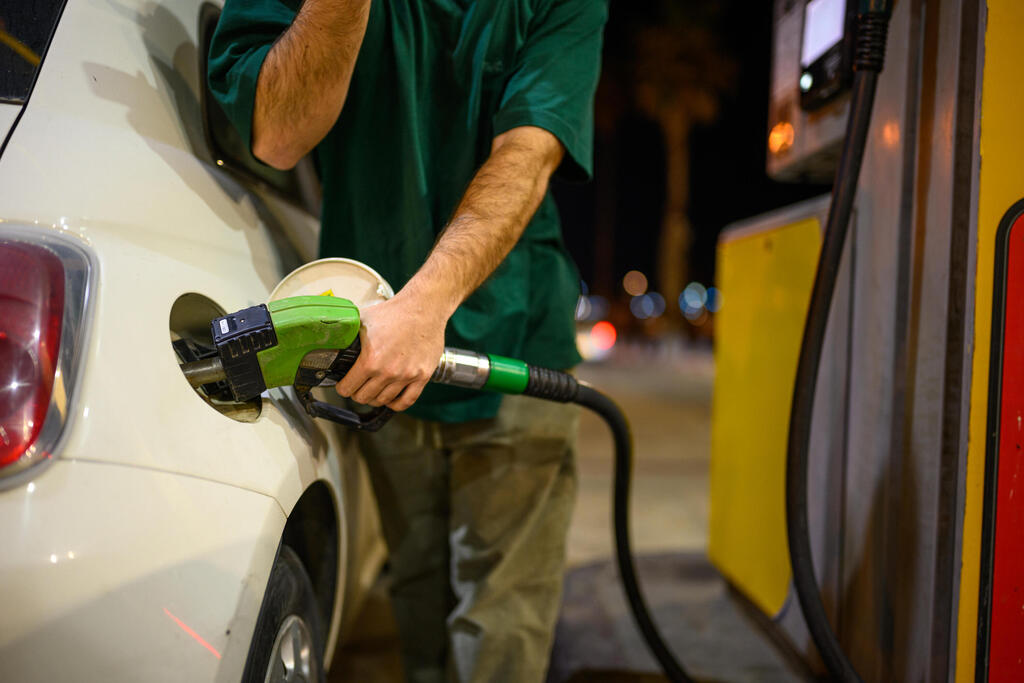
(Photo: Alexi J. Rosenfeld/Getty Images)
In Eilat, where VAT is not charged, the maximum self-service price will rise by 51 agorot to 6.85 shekels per liter. The additional charge for full service will remain unchanged at 21 agorot per liter.
The increase is attributed in part to a surge in global gasoline prices and the strengthening of the dollar. The Fuel and Gas Administration at the Energy and Infrastructure Ministry publishes the maximum price of 95-octane gasoline at the end of each month for the following month.
The price is calculated under the 2002 order regulating maximum prices at gas stations. It is based on the average price of fuel in the Mediterranean basin during five trading days preceding the final two working days of the previous month.
The calculation also includes marketing expenses, excise tax and VAT. The price is converted into shekels using the latest representative exchange rate published by the Bank of Israel before the final two working days of the preceding month.
Israel’s all-time record for 95-octane gasoline was set in September 2012, when the price reached 8.25 shekels per liter. At the time, amid growing public anger a year after the 2011 social justice protests, Prime Minister Benjamin Netanyahu first proposed reducing the fuel tax to lower prices at gas stations.
The tax discount was later canceled but reinstated by then-finance minister Avigdor Liberman in the summer of 2022, when gasoline prices again crossed the 8-shekel mark and reached 8.08 shekels per liter. The government intervened by reducing the tax.
The fuel tax subsidy was abolished in early 2024 by Finance Minister Bezalel Smotrich, partly because of the widening budget deficit following the war.