

Hundreds of thousands of Iranians have lost their jobs since the war with the United States and Israel broke out, and millions more are at risk. The economic damage is enormous: steel and petrochemical plants have been paralyzed, the country’s famed carpet industry has nearly collapsed, and dairies are struggling to find packaging for milk and butter.
Meanwhile, food prices have soared, as chicken has risen 75% over the past month, beef and lamb by 68%, and many dairy products by about 50%.
Gallery
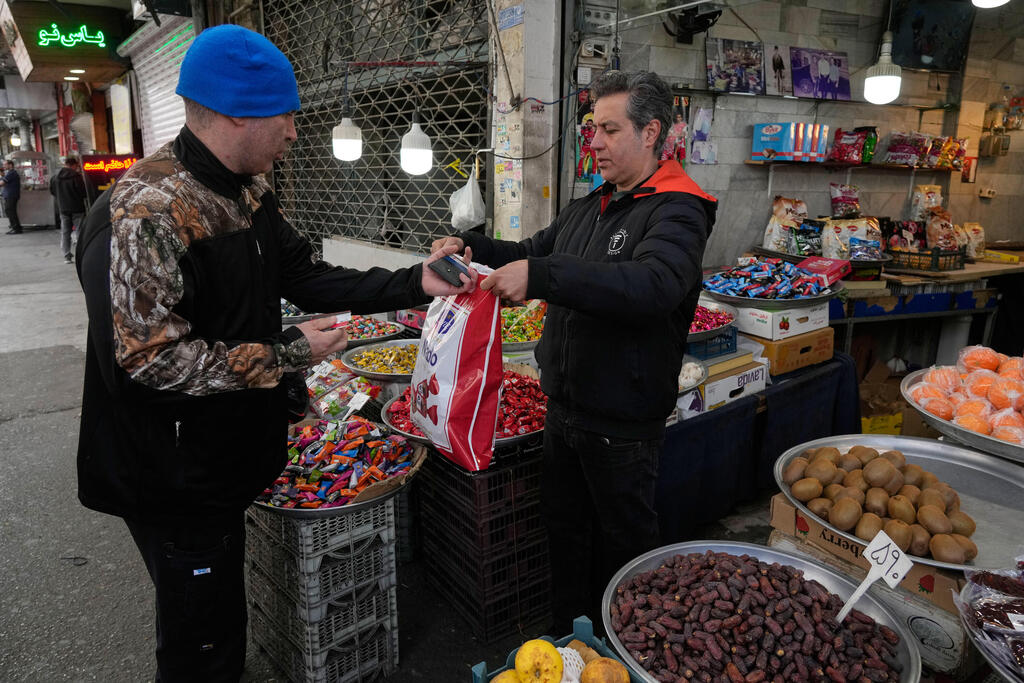
A market in the heart of Tehran, March 2026; Inflation is rampant and prices are soaring
(Photo: Vahid Salemi/File/AP)
U.S. and Israeli strikes over more than five weeks have damaged some 20,000 factories — about 20% of the country’s production units, according to Hadi Kahalzadeh, a researcher at Brandeis University. Among the damaged facilities are Tofigh Daru, Iran’s largest pharmaceutical company, which produces, among other things, cancer medications, as well as aluminum, cement and chemical plants.
The heaviest damage has been recorded in the steel and petrochemical industries — the country’s two largest exporters outside the oil sector. The major Mobarakeh and Khuzestan steel plants have halted production, and about 50 petrochemical complexes have shut down. As a result, prices of plastic, pipes, fabrics and food packaging have all jumped.
Deputy Labor Minister Gholamhossein Mohammadi said Iran has lost at least 1 million direct jobs because of the war, but Kahalzadeh warned that the cumulative effects put 10 million to 12 million jobs at risk — about half of Iran’s workforce.
The human toll
Alongside the grim figures, a bleak human picture is also emerging: refinery and textile workers, truck drivers, flight attendants, journalists and freelance designers have all found themselves without income.
Iran’s economy was already in distress before the fighting. Per capita income fell from about $8,000 in 2012 to about $5,000 in 2024. Now, according to the U.N. Development Program, up to 4.1 million more people could fall below the poverty line. The official annual inflation rate in March reached 72%, and is far higher for basic goods. In the past 60 days, 147,000 unemployment benefit claims have been filed — three times the number in the same period last year.
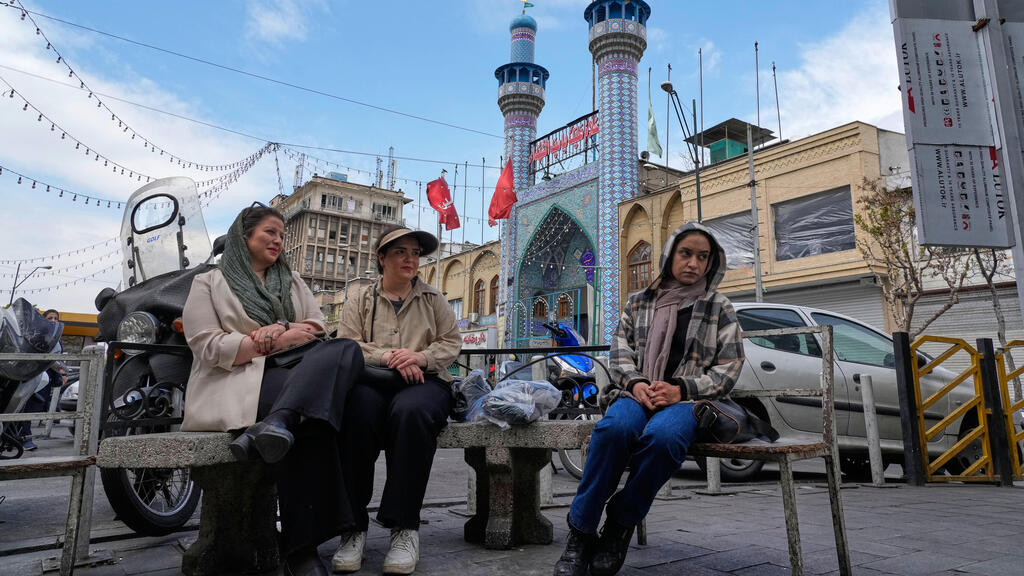
Iranian women in the heart of Tehran. Almost two months without internet
(Photo: Vahid Salemi/File/AP)
Women have suffered a double blow: The internet shutdown across Iran has mainly hurt those who make a living from home. About a third of all unemployment claims since the war began were filed by women. “Nothing works properly,” Somaya, a German teacher from Isfahan who is now forced to rely on unreliable local apps, told CNN. “The students can’t connect at the same time, the platforms crash.”
Iran’s gamble
Despite the hardship, Tehran’s leaders show no signs of surrender. Their bet: an economy hardened by decades of international sanctions will be able to withstand the pain longer than Trump. Their main weapon is control of the Strait of Hormuz. Tehran has said it will reopen the maritime passage only if the U.S. blockade is lifted and the war ends.
The U.S. blockade threatens to cut off enormous export revenues: Iran sold about $98 billion in exports in 2025, about half of it from oil. But a complete blockade is difficult to implement — about half of non-oil goods move by land or through Caspian Sea ports. “If we fail to lift the sanctions in any agreement that may be reached, the optimistic forecast will not materialize,” one owner of a damaged factory told The Associated Press.