

During these hot days, anyone seeking to cool off with a Twister ice pop—last summer’s bestseller in ice cream freezers—will have to settle for locally produced alternatives. While this isn’t a major loss given the abundance of substitutes on the market, the absence of this spiral-shaped ice pop is noticeable. Its producer, Unilever (Strauss Ice Cream), ensured its popularity last summer in every corner store.
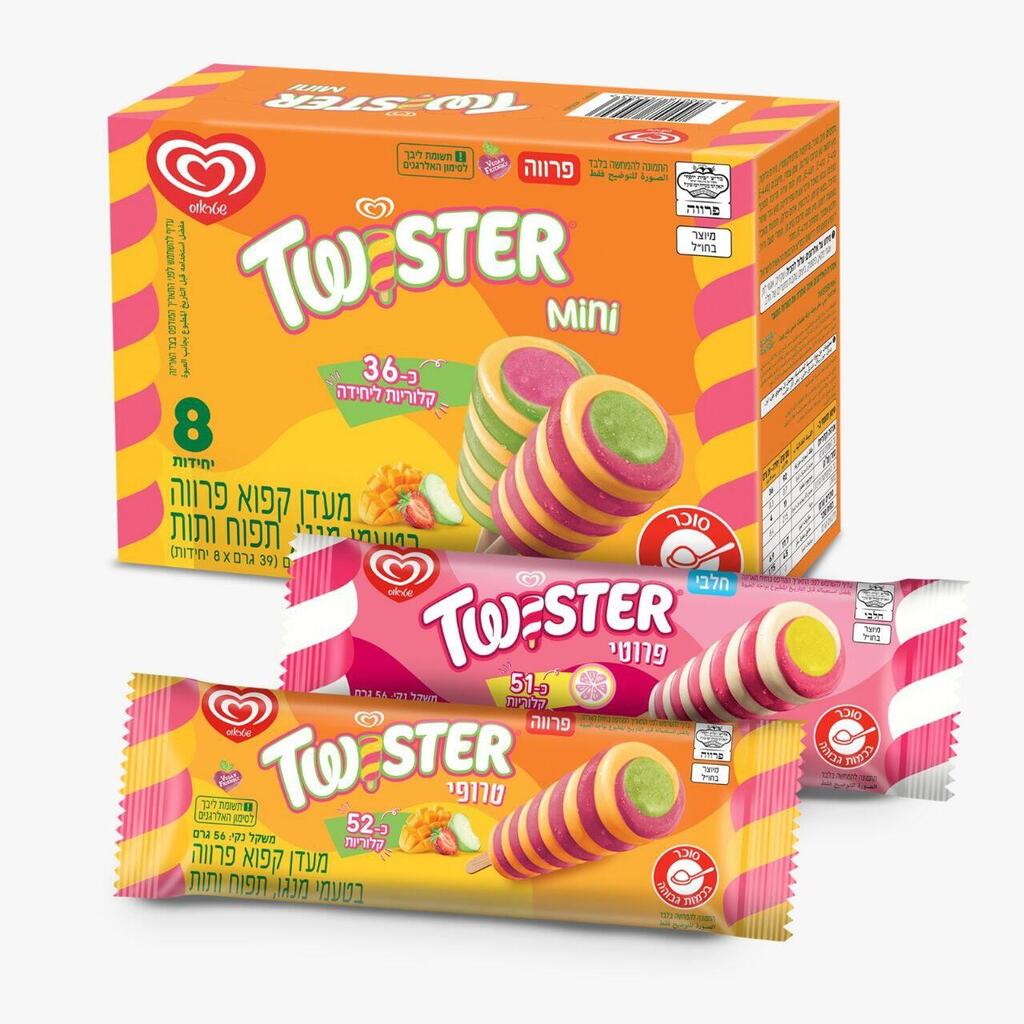
Magnum Double ice creams have also disappeared from corner stores. In supermarkets, products like Mini Magnum Double Caramel and Magnum Double Mango and Coconut can no longer be found. These were all imported to Israel from Turkey—a country that recently imposed an import-export boycott on Israel, despite previously being one of its largest trading partners.
Turkey was primarily an exporter to Israel, and the boycott was expected to leave Israeli consumers facing significant shortages—yet this has not been the case.
Indeed, by mid-last year, imports from Turkey ceased, leading to the near disappearance of Magnum Double and Twister ice creams from the Israeli market. However, Unilever Israel has announced that Twister will soon return to the country in three flavors, produced in Europe.
Imports will come from various European countries, with the source potentially changing throughout the year. New flavors of Magnum Double will also arrive in Israel shortly.
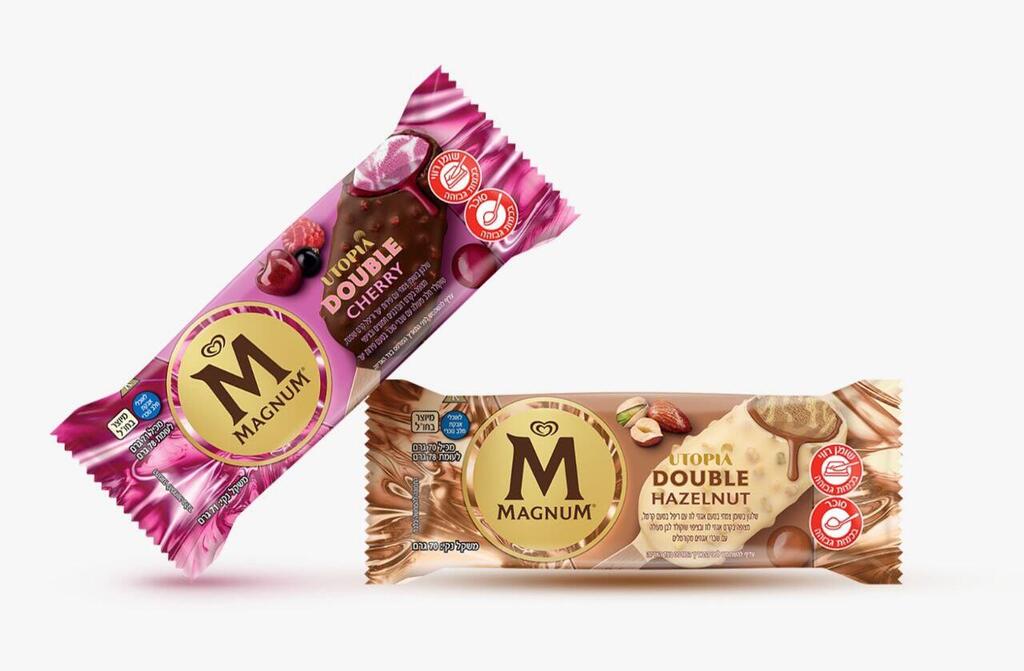
New Magnum flavors
(Photo: GPO)
Meanwhile, the company continues local production of Magnum ice creams at the Strauss Ice Cream factory in Acre, though the plant has closed temporarily several times due to the war.
While Magnum is considered a high-quality cream-based ice cream coated with real chocolate in Israel, European alternatives seem to be of lower quality. For example, Magnum Utopia Double Cherry features ice cream made with plant-based fats, which is unusual for a brand that typically uses cream. Similarly, Magnum Utopia Double Hazelnut, which is also set to arrive in Israel, includes plant-based fats as well.
Some products remain, others disappear
Despite the boycott, some products originally imported from Turkey are still being sold in Israel, likely due to leftover stock. For others, alternatives have already been found. For instance, Rexona deodorant is now imported from England, while Badin Extra fabric softeners, previously manufactured in Turkey, have resumed production in Israel. Hellmann's mayonnaise is now only available in jars imported from the United States, while other versions, such as squeeze bottles, are no longer stocked.
"Due to the Turkish export boycott on Israel, the import of several ice cream products has been halted," Unilever said. "In the coming months, we will introduce a variety of new products from Europe, which will be sold alongside our locally produced range from the Strauss Ice Cream factory in Acre."
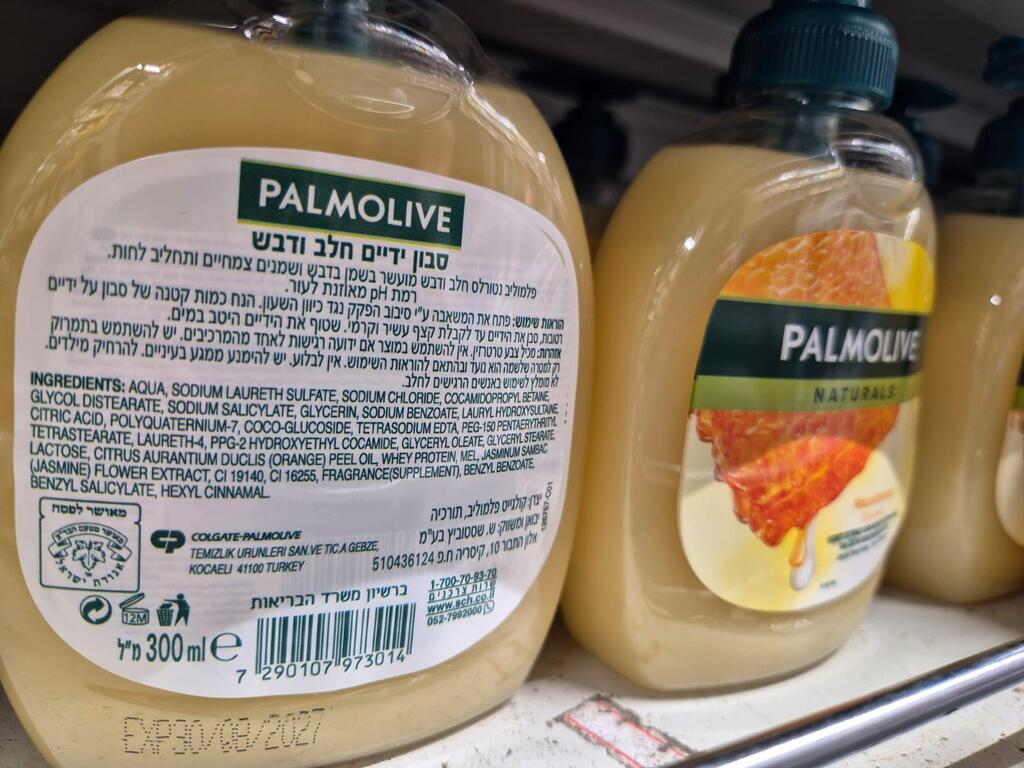
Palmolive body cream, from Turkey
(Photo: Meirav Crystal)
Meanwhile, certain products will not return to shelves. Companies like Strauss Elite have stopped importing chocolate sticks from Turkey; the Godiva chocolate brand has disappeared from Israeli shelves; Turkish olive oil is no longer available; and cheap Turkish pasta has been replaced with alternatives from Azerbaijan.
'Seeking alternatives, but prices are different'
Major corporations have found substitutes produced in other locations. Pampers diapers, previously imported by Diplomat from Turkey, are now sourced from Poland. Starkist products, once manufactured in Turkey, are now imported directly from Thailand.
<< Get the Ynetnews app on your smartphone: Google Play: https://bit.ly/4eJ37pE | Apple App Store: https://bit.ly/3ZL7iNv >>
No one imports tomatoes from Turkey anymore, but prices have remained stable. Tomatoes are currently sold for 4-6 shekels per kilogram on average. Similarly, milk is no longer imported from Turkey, despite earlier plans to rely on this “enemy state” instead of Israel’s well-established local dairy industry.
Zvika Williger, co-owner of Willi-Food, previously imported dozens of products from Turkey. "The situation is very difficult. Imports dropped by 90% overnight. We’re still bringing in baked goods and a small amount of cheese, but it’s minimal," he told Ynet.

Turkish President Recep Tayyip Erdogan
(Photo: Mustafa Kamaci/Turkish Presidential Press Office/Handout via REUTERS)
"The Turks have also caught on to indirect import routes, so that’s no longer an option. This is all Erdogan’s doing. Our trade partners there are struggling immensely. We’re working on alternatives, such as importing from Greece, but the prices are completely different. Cheese from Greece is 40% more expensive. Imports from Turkey were in dollars, while Greece operates in euros. Turkey is a powerhouse with serious quality, hosting German and Italian factories. Their knowledge is European, and labor is cheap."
Home appliance sector overcomes the boycott
What about electrical appliances? At the start of 2024, 30% of white goods in Israel were imported from Turkey, including products from brands like BSH, Fujicom, Electra, Lenco, Blomberg and Beko. Some of these brands have weakened in Israel compared to others, particularly international brands and private labels. Importers quickly found alternative supply routes, primarily from Poland and especially from China, despite some challenges. There were initial concerns about a 10% price increase, but this did not materialize.
"A Turkish boycott? The sector overcame it quickly, though not necessarily easily," an importer in the home appliance sector told Ynet. "All importers were creative and acted swiftly to find alternatives. I remain in regular contact with the Turkish factories I’ve worked with—those who are true friends and are waiting for trade to resume. They’ve lost more from this than we have."