

Sick days have become an escape route for exhausted workers. That is the conclusion of a new survey published in Finland, which found that burned-out employees are using sick leave as a way to cope with heavy workloads or personal difficulties at work. In a survey published by the Finnish newspaper Iltalehti, workers described short absences as a “breathing break,” a “recovery vacation” or a “fatigue leave,” rather than sick days in the medical sense.
Marjut, 57, a nurse and health care assistant with a career spanning nearly three decades, said she was forced to take sick leave after workload pressures and chronic staff shortages became unbearable. In some cases, she said, the absences were also triggered by workplace bullying. “When you are worn down over a long period, there comes a moment when you simply cannot go on anymore,” she said, adding that sick leave was the only way she could prevent a mental collapse.

Similar accounts emerged from workers in other professions. An employee identified as “the engineer” said that once every quarter he takes two or three sick days to “catch his breath,” explaining the absence to his employer as the flu. “If you do not stop, it ends in total burnout,” he said. Matti, 43, who works as a human resources representative at an industrial plant, also admitted that he sometimes uses a migraine diagnosis as an excuse to stay home. He cited a sense that management does not listen to employees, along with a cut of about 1,000 euros in his monthly salary following organizational reforms.
The testimonies from Finland align with a broader international trend. According to the Burnout Report 2025 published by Mental Health UK in December 2025, nearly nine in 10 workers in Britain reported high or extreme levels of workplace stress. The report also found a clear generational divide. Younger workers were more likely to report absences due to stress, pressure and mental health concerns, while older employees tended to keep working even when burned out.
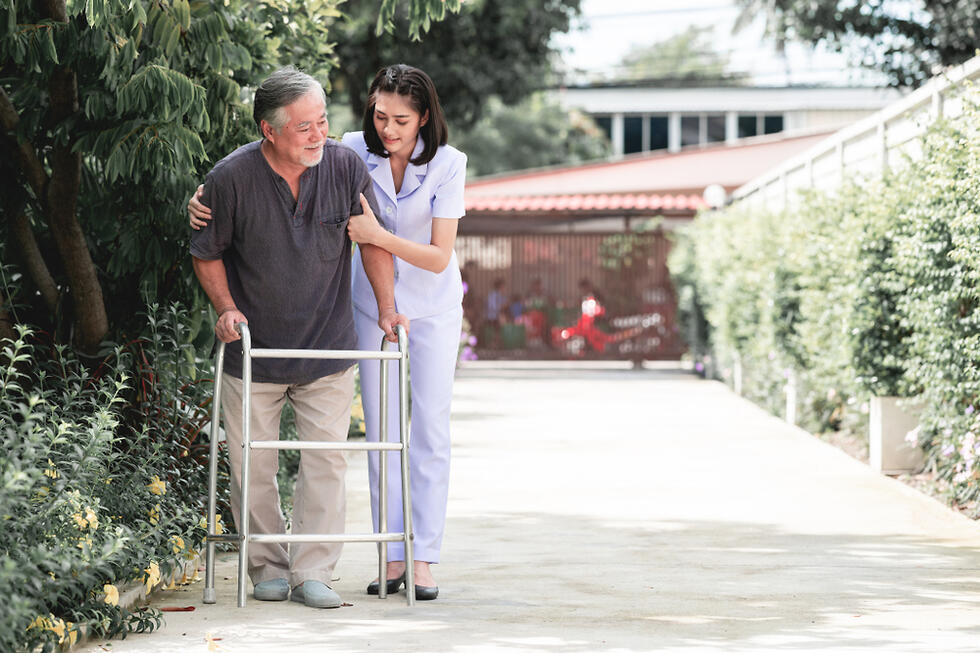
Burnout intensifies among nursing workers
(Photo: Shutterstock)
A 2024 study by the Taub Center for Social Policy Studies in Israel identified a different pattern, likely driven by fear of dismissal. A high share of Israeli workers reported coming to work despite being ill or exhausted, mainly because of heavy workloads, managerial pressure and concern over task accumulation. Researchers warned that this pattern increases the risk of sudden collapse and sharp absences later on.
Academic research reinforces the link between workload and burnout. A systematic review published in August 2025 in the International Journal of Nursing Studies found that high workloads, resource shortages and lack of organizational support are consistently associated with burnout, anxiety and depression among nursing staff. While the review did not measure sick days directly, the researchers noted that such conditions create a heightened risk of short-term absences as a response to prolonged stress.
A study conducted in Germany and published in the Journal of Psychiatric Research found that among working-age adults diagnosed with burnout, the average number of sick days increased over time, from 24.1 days between 2012 and 2014 to 36.2 days between 2020 and 2022. The study also found that a burnout diagnosis was associated with a higher likelihood of long-term absences exceeding 42 days.