

Reshef Technologies, a factory based in Sderot, is set to supply the Israel Defense Forces (IDF) with shell fuses, the critical activation mechanisms for weaponry, in a deal worth approximately $58 million. This announcement comes from the Directorate of Production and Procurement (DOPP) at the Defense Ministry, following a new procurement order signed by the Director General of the Defense Ministry, Major General (Res.) Eyal Zamir.
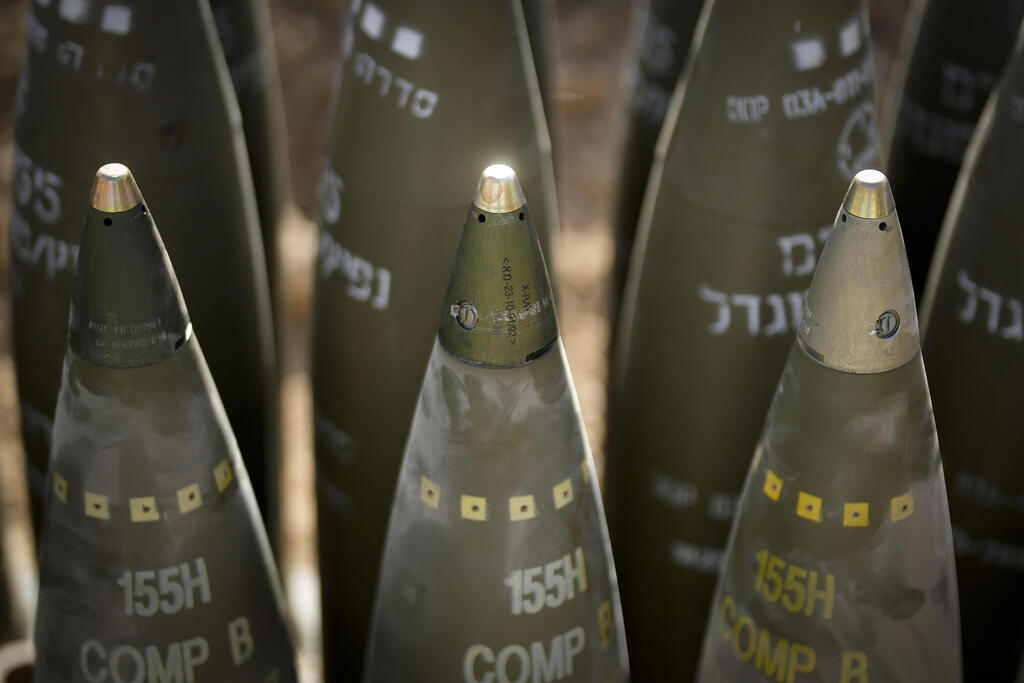
This latest order adds to previous contracts placed with the company at the outset of the Gaza war, valued at around $38.5 million. At that time, the ministry ordered new and advanced fuses for the IDF's ground forces. This move was part of a strategic decision by the Defense Ministry, prompted by the start of the war and an ammunition shortage, to boost Israel’s ammunition self-sufficiency by expanding domestic production.
The Defense Ministry emphasized its commitment to increasing the procurement of Israeli-made products, particularly focusing on factories in peripheral and national-priority areas. The total local procurement executed by the Directorate of Production and Procurement since the beginning of the war is estimated at tens of millions of dollars.
Reshef Technologies specializes in developing and manufacturing fuses and employs around 80 workers, most of whom reside in Sderot. The company has benefited significantly over the past year from the global arms race, which began even before the outbreak of the war in Israel.

IDF forces operating at UNRWA HQ in Gaza City
(Photo: IDF Spokesperson's Unit)
In March, the company announced it had won a tender from a southeast Asian country, likely India, valued at $190 million for the supply of five million shell fuses over 10 years, at a rate of 500,000 fuses per year. Following the tender win, the parent company's stock soared by 39% in a single day.
In 2023, due to a previous order from the Defense Ministry worth approximately $33 million and the doubling of the company’s total orders to about $75 million, the stock surged by 200% over the year. Since the beginning of 2024, the stock has climbed an additional 41%, with a current rise of approximately 3% following the report of the new deal.