

The Tax Authority published a position paper Sunday recommending a tax on every flight departing from Israel, based on aircraft weight and flight distance. The proposed tax is projected to generate about 1.1 billion shekels a year at 2025 prices.
The paper was prepared by the authority’s Planning and Economics Division, following a proposal raised during discussions on the last state budget and ahead of deliberations on the next one.
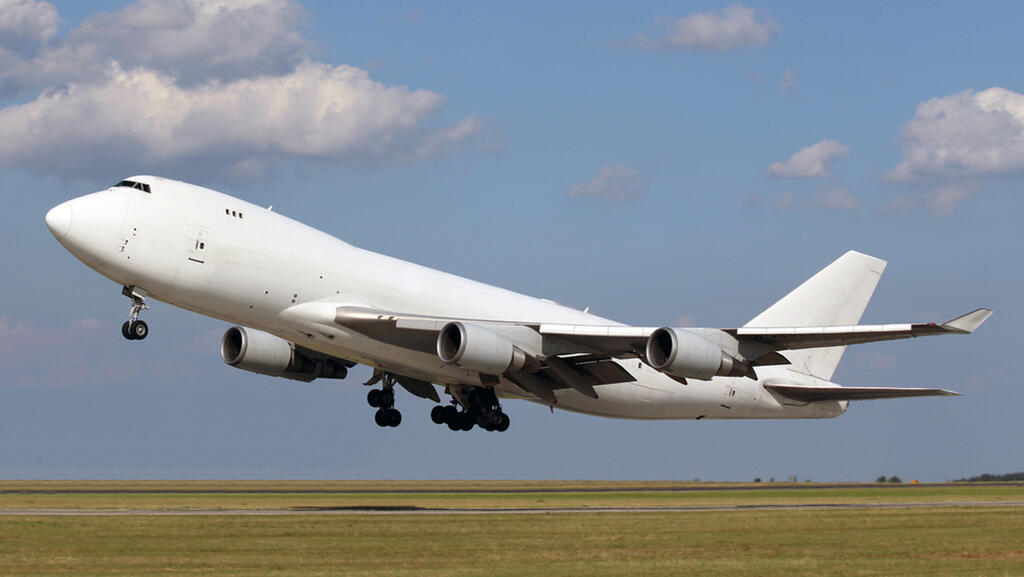
(Photo: Shutterstock)
The tax would range from about 1,300 shekels per domestic flight for aircraft weighing up to 50 metric tons to about 100,000 shekels per long-haul flight for aircraft weighing more than 300 metric tons. That would translate into an additional cost of about 12 shekels per passenger on domestic flights, 58 shekels on medium-haul flights, primarily to Europe, and 274 shekels on long-haul flights to destinations in the United States and East Asia. An analysis of airfares indicates that the proposed tax would amount to about 4% to 5% of the ticket price paid by consumers.
According to the Tax Authority, the rationale is that air travel contributes significantly to global warming, which Israel spends resources mitigating and addressing. Local air pollution from flights and noise generated during takeoffs and landings also require additional spending on health care and soundproofing buildings.
Unlike the automotive and industrial sectors, however, Israel’s tax system does not currently account for the additional costs that aviation imposes on the economy. In practice, the sector is largely untaxed apart from direct taxes. Value-added tax applies only to consumption within Israel, so international flights are zero-rated, while aviation fuel is exempt from fuel excise tax.
An international mechanism introduced over the past decade seeks to reduce aircraft emissions by requiring airlines whose emissions exceed a certain threshold to buy “offset credits” from organizations running environmental projects. These include forest conservation and development, renewable energy installations and the replacement of cooking stoves. However, the mechanism is considered too lenient, prompting several Western countries, including Britain, France and Germany, to tax departing flights so that ticket prices reflect the industry’s environmental impact.
The paper also examines alternatives, including a per-passenger tax, a tax based on flight distance and a tax on aviation fuel. Taxation based on weight and distance categories was selected because it would be simple to administer and give airlines certainty about how much they would pay, regardless of the number of passengers on board.
Air Haifa said in response: “This tax would mean higher ticket prices for Israeli citizens.”