

OpenAI missed internal growth targets for new users and revenue in the critical months before its planned IPO, The Wall Street Journal reported, raising concerns among executives and investors about the sustainability of its business model and its ability to support massive infrastructure spending.
Chief Financial Officer Sarah Friar has warned internally that the company may struggle to meet future computing obligations if revenue growth does not accelerate, according to the report. Shares of SoftBank, which holds a 13% stake in OpenAI, fell 10% in Japan following the news.
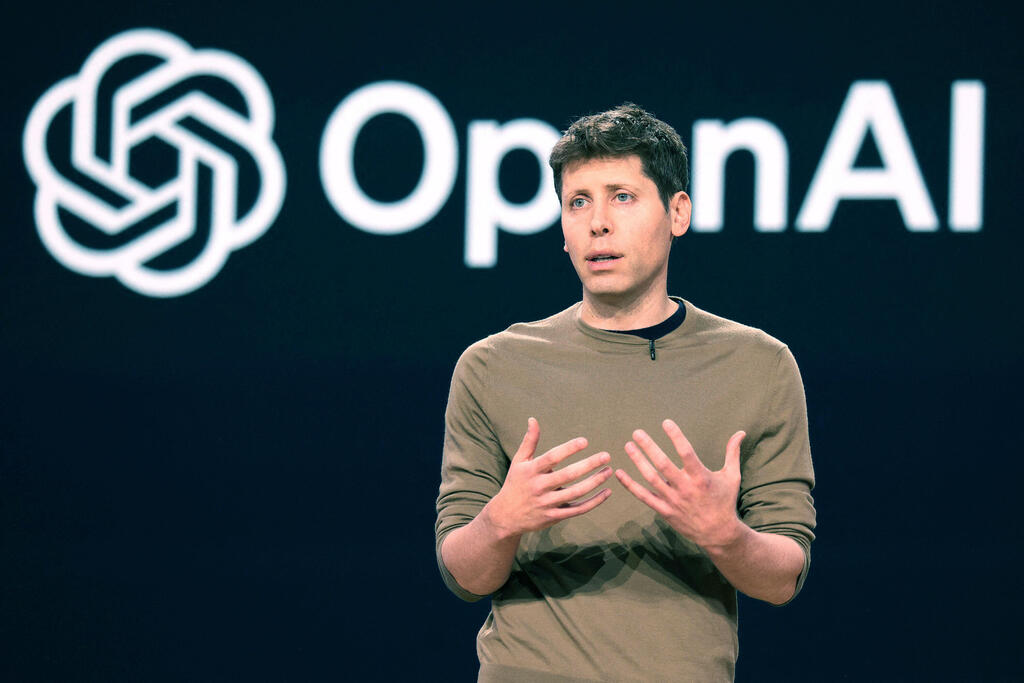
(Photo: Jason Redmond / AFP)
Citing people familiar with the matter, the Journal said ChatGPT’s growth slowed significantly toward the end of 2025, while the company has also faced high churn among existing users. The slowdown was partly driven by increased competition from Google’s Gemini and Anthropic in the enterprise market.
As a result, OpenAI failed to reach its internal goal of 1 billion weekly active users by the end of 2025. The company has not announced reaching that milestone, which has raised concerns among investors.
OpenAI also missed its annual 2025 revenue target for ChatGPT and fell short of several monthly revenue goals earlier this year, the report said.
The situation is particularly challenging given the company’s heavy spending on AI infrastructure, required to train and run advanced models. In recent years, CEO Sam Altman has pursued large-scale deals for data centers and computing power, creating an estimated $600 billion in future spending commitments.
Slowing growth could undermine OpenAI’s ability to meet those obligations. As a result, Friar and other executives are pushing for tighter spending controls and stronger financial discipline, according to the report.
Friar has also raised concerns in recent months about the company’s readiness for a public listing, stressing the need to improve internal controls and meet the reporting standards required of a public company.
OpenAI and its executives told The Wall Street Journal that the company remains committed to securing as much computing power as possible, according to the report.