

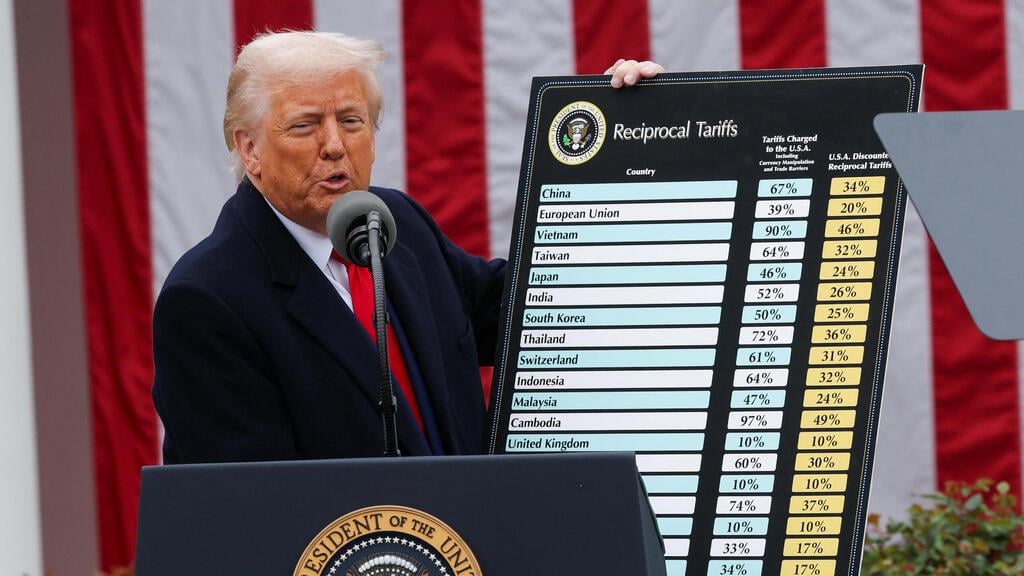
The US Supreme Court ruled Friday in a landmark decision that the sweeping reciprocal tariffs imposed by President Donald Trump on nearly every country in the world are null and void. The 6-3 ruling marks the most significant legal defeat Trump has faced since returning to the White House and casts major uncertainty over the future of his trade policy.
Trump responded quickly, calling the ruling “disgraceful” during a meeting with governors at the White House and saying he already has a backup plan.
Chief Justice John Roberts, writing for the majority, framed the opinion in clear terms: The Constitution grants Congress, not the executive branch, the authority to levy taxes, including tariffs. The nation’s founders, he wrote, did not vest any part of the taxing power in the executive.
Trump imposed the reciprocal tariffs in April 2025, relying on a 1977 law that allows a president to regulate imports during a national emergency. He declared a “national emergency” over US trade deficits with multiple countries and, on that basis, imposed tariffs on most US trading partners. He had earlier levied tariffs on Canada, China and Mexico, citing efforts to combat drug trafficking.
The Supreme Court rejected that interpretation outright, ruling that the law in question does not mention tariffs and therefore cannot serve as a legal basis for imposing them.
The three dissenting justices — Samuel Alito, Clarence Thomas and Brett Kavanaugh — issued a sharp minority opinion. Kavanaugh wrote that while the tariffs at issue may not represent wise policy, they are clearly lawful based on the text, history and precedent.
Kavanaugh also warned of complications stemming from the ruling, particularly regarding refunds. The court, he noted, did not address the question of reimbursing the billions of dollars collected from importers, and he cautioned that the process is likely to be highly chaotic.
Indeed, the refund issue is complex. The US Treasury collected more than $133 billion from the emergency tariffs imposed by Trump. Numerous companies, including retail giant Costco, have already filed lawsuits seeking reimbursement. The Supreme Court did not resolve the matter, leaving it for separate proceedings that could result in years of additional litigation.
According to estimates by the Congressional Budget Office, the overall economic impact of Trump’s tariffs could reach roughly $3 trillion over the next decade.
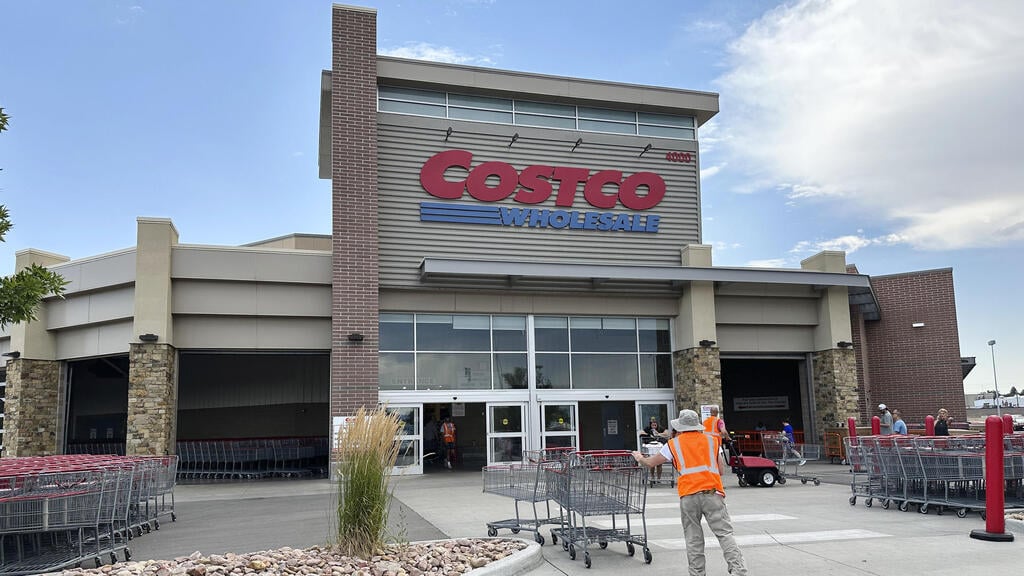
Costco has already filed suit seeking refunds
(Photo: AP Photo/David Zalubowski, File)
Despite the setback, Trump’s tariff policy is not entirely halted. The ruling applies only to tariffs imposed under the emergency powers law. The president retains other, more limited authorities to impose tariffs. Senior administration officials have indicated they intend to maintain the overall tariff framework under alternative statutes.
The decision prompted broad reactions across the political spectrum. Notably, legal opposition to Trump in this case also came from libertarian and pro-business groups that are typically aligned with him. Recent public opinion polls suggest the reciprocal tariffs are unpopular among the broader American public, amid rising concerns about the cost of living.
For the Trump administration, which has secured a series of victories at the Supreme Court in recent months on issues such as mass layoffs and federal regulation, the ruling represents a significant defeat. It is the first time a central and explicitly stated pillar of Trump’s agenda has been struck down by the high court — including by a court he helped shape with three conservative appointments during his first term.