

The National Security Council has mediated an agreement between the Defense Ministry and the Finance Ministry to provide the military with an immediate 15 billion shekel, or $5 billion, budget increase, far below the 40 billion shekels the defense establishment had sought in recent months.
The compromise is aimed at preventing the 2026 state budget from being reopened, avoiding new taxes or cuts to public services. Earlier Wednesday, Finance Ministry officials warned that meeting the Defense Ministry’s full request could force an immediate 4.5 percentage-point increase in value-added tax.
Under the agreement, the Finance Ministry will receive a mechanism to monitor defense spending together with the Defense Ministry. The remaining gap, about 25 billion shekels, could be transferred later this year in stages, depending on actual spending and further agreements between the ministries.
The budget shortfall was created by security developments not included in the original plan, including the war with Iran, the prolonged campaign in Lebanon, the large-scale mobilization of reservists and the need to replenish munitions, interceptors and weapons systems depleted during fighting.
Defense officials said the immediate funding will give the military breathing room and address its most urgent needs. The money will be used to restore operational readiness, replenish interceptor and ammunition stockpiles, repair weapons and equipment worn down during the wars and invest in aerial platforms, mobility equipment for ground forces and naval systems.
The sides also reached understandings on the military’s multiyear buildup plan, estimated at about 350 billion shekels over the next decade. The Defense Ministry received a budget commitment for about half of that amount, including an additional 10 billion shekels a year.
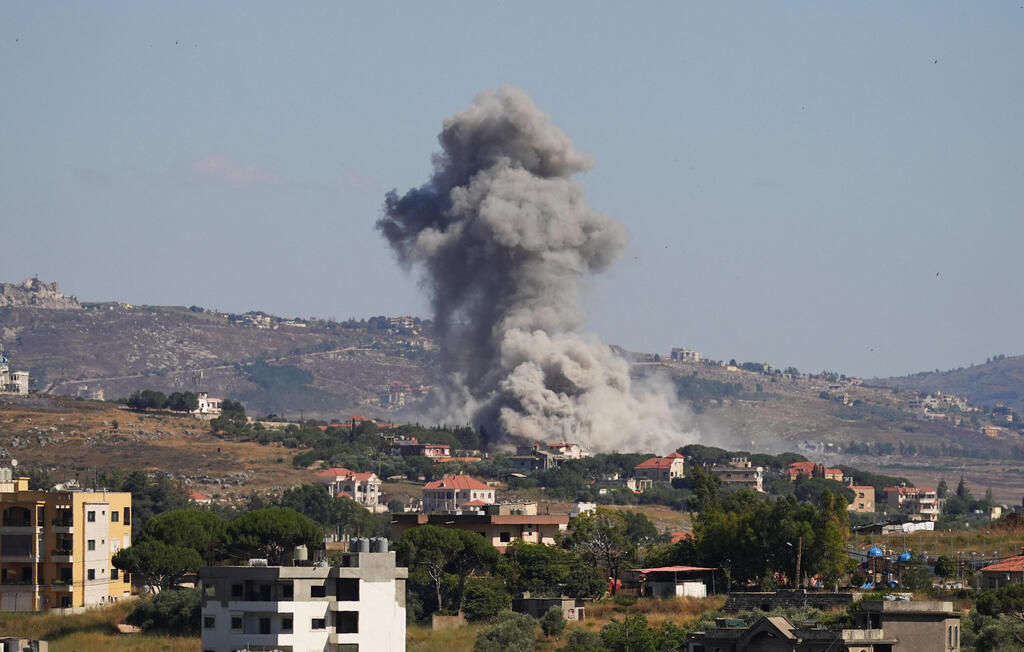
Israeli airstrike in Lebanon
(Photo: REUTERS/Stringer)
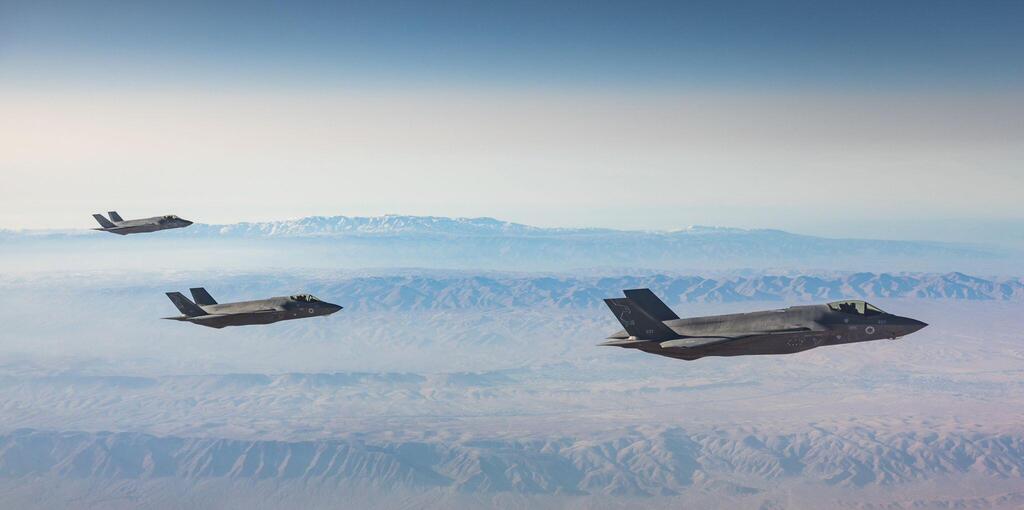
A separate deal to buy two squadrons of F-15IA and F-35I fighter jets, worth about 40 billion shekels, remains in place. The aircraft are expected to enter service over the next decade and gradually replace older jets, though they are not currently meant to expand the air force’s overall size.
Defense officials said the budget gap stems from a dramatic change in operational reality. They said the war with Iran was originally expected to begin in June, not March, and to last no more than about two weeks. Instead, it lasted about 40 days.
They said the extended campaign against Hezbollah in Lebanon also was not included in the original plans, and that Israel later decided to significantly expand its security zone in southern Lebanon.
Reserve mobilization also far exceeded planning assumptions. The military built its force plans around about 30,000 reservists serving at any given time, but more than 100,000 were mobilized simultaneously during the war. About 60,000 reservists are currently serving, still double the level on which the plans and budget were based.