

Lisbon is sun-drenched and ocean-adjacent, progressive and brimming with art and cultural initiatives. Abandoned buildings have been renovated and now host artists from across the spectrum.
The city is charming and historic, where old meets new, dotted with lush museums and vibrant markets. It is calm and lively, quiet and loud, still relatively affordable and entices foreign investors with its “golden visa” program. It is ancient, yet open to innovation.
But to understand how Lisbon became Europe’s hottest, most attractive city, one must start with the food, specifically, the culinary fusion born from the marriage between locals and immigrants from Portugal’s former colonies. Together, they transformed Portuguese cuisine into a global sensation.
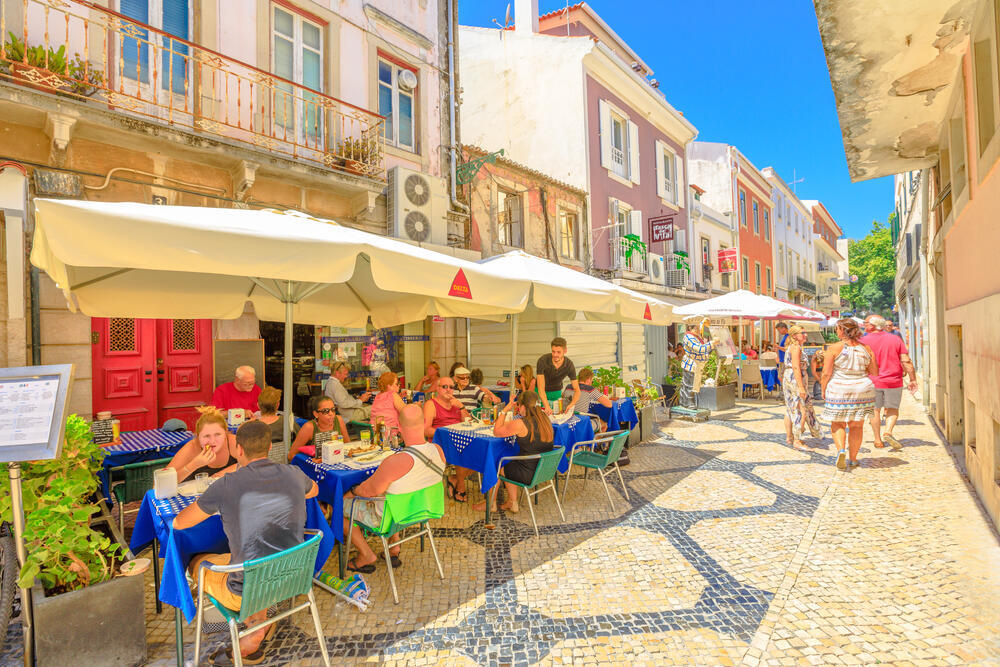
The locals brought high-quality raw ingredients; the immigrants brought spices and cooking methods from India and Africa. Slowly, Portugal began to rival its Iberian sister, Spain, on the global gastronomic stage. As appetites grew, so did curiosity, and within a decade, Lisbon had established itself among Europe’s top cities.
This transformation is not mere overstatement. It’s backed by hard numbers, particularly in real estate. Forget Berlin, Paris, London or Amsterdam; between 2014 and 2024, property prices in Lisbon soared by 176%. In its historic center, prices jumped by more than 200%. A University of Lisbon study found that, when adjusted for local income levels, Lisbon now has the most expensive housing market in Europe.
Rent of a two-bedroom apartment now costs more than the average salary
Lisbon has embraced tourism without resistance, failing to curb the rise of short-term rentals like Airbnb. No other city in Europe, or perhaps the world, has such a high density of tourist apartments.
For example, Lisbon has six times more tourist apartments per sq. km than Barcelona, which in itself is one of the world’s most visited cities. The number of hotels has tripled in the past 15 years, with 50 more currently in planning or under construction.
This is not even counting the influx of digital nomads and American and international retirees buying up more and more property.
The result: the average rent for an average two-bedroom apartment in Lisbon now exceeds the average salary. Many Portuguese have been pushed to the suburbs, returning to the city only as visitors. Lisbon’s historic core has become a tourism playground.
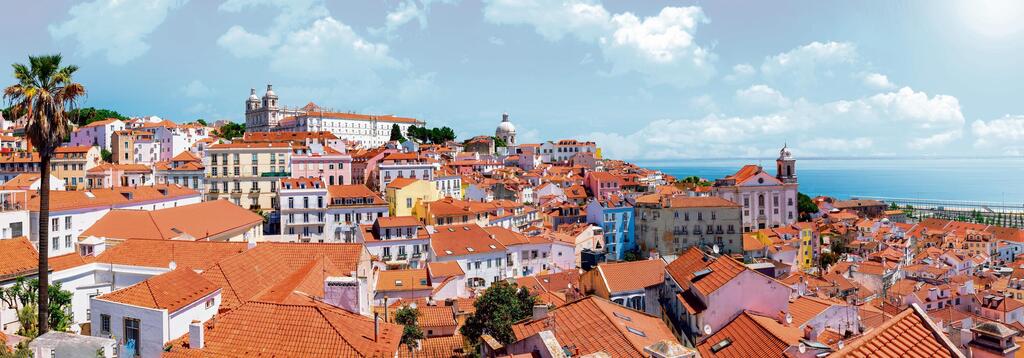
Lisbon
(Photo: Sven Hansche, Shutterstock)
To understand Lisbon’s Renaissance, one must also understand its crisis. Even before 2008, Portugal faced economic stagnation, with austerity measures and tax increases were introduced to reduce the deficit.
The global financial crash that year brought the country to the brink of bankruptcy. While much of Europe faced similar challenges, Portugal, together with Greece, Italy and Spain, which were labeled with the derogatory acronym PIGS, faced the deepest crisis.
Like the others, Portugal received an €80 billion bailout. But unlike Greece, it implemented a successful recovery plan that reduced its debt and put the economy back on a path to growth.
The early years were marked by austerity, tax hikes and high unemployment, especially among the young. But by 2014, the country had settled its debts to the EU, cut its deficit, and begun a slow climb back.
In late 2015, António Costa, leader of the Socialist Party, came to power. He lowered VAT and encouraged foreign investment. Tourist numbers rose steadily, and per-visitor spending doubled.
The boom in tourism and related industries attracted waves of real estate investors. Deregulation made Portugal one of the easiest places in Europe to start a business. Its economy and unemployment rate now sit around the EU average.
Portugal’s post-austerity recovery was accompanied by sweeping liberalization, particularly in tax policy and residency programs designed to appeal to foreign visitors. Anyone investing €500,000 in Portuguese real estate received a “golden visa” and permanent residency.
Foreign retirees and digital nomads also gained residency rights and generous tax breaks. Money poured into Lisbon, the cost of living skyrocketed, and greed surged. Commercial property owners who once charged €1,000 for a space began demanding 10 times as much.
More than 20,000 American retirees
Portugal, once known for being affordable, remained attractive to foreign buyers despite rising prices. But for many longtime local institutions, the change was devastating. Businesses that were part of the city’s cultural fabric could no longer afford rent and closed their doors. Artists and other creatives who gave Lisbon its distinctive character were forced into the suburbs. Tourists and tourism-related enterprises took over the capital.
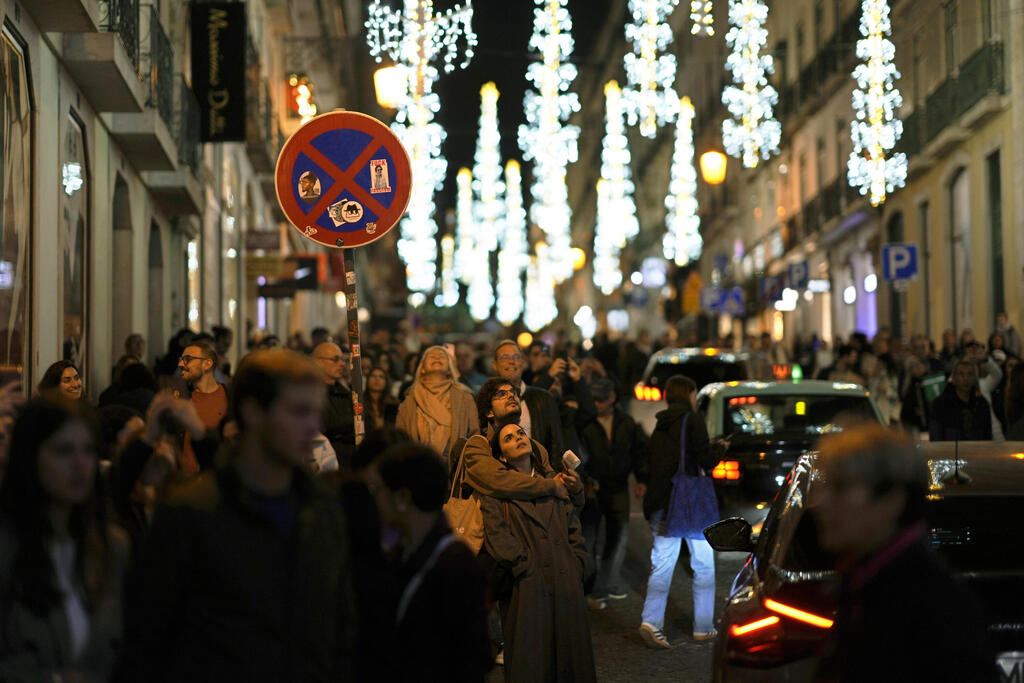
Lisbon attracts tourists, but lost its soul
(Photo: Armando Franca/AP)
Longtime residents recount stories of elderly tenants who died from overdosing on sleeping pills, not in suicide attempts, but simply to drown out the noise from the streets. Locals now refer to Lisbon as “alcohol Disneyland.”
Authentic bars and restaurants have been replaced by tourist traps, and small, family-run shops have given way to businesses catering to visitors. A cup of coffee now sells for €4.50 in the city center, while in old Lisbon kiosks, it still costs just €1.
In several neighborhoods, Portuguese has become a secondary language to German, English, or French. One staircase wall is spray-painted with graffiti reading “Tourists, go home,” across from another that says “F*** Airbnb.”
Portugal’s low taxes (until recently, in some cases none at all), pleasant climate, friendly locals, free health care and fast internet have made it Europe’s top destination for digital nomads (third globally behind Bali and Thailand). Their influx, along with more than 20,000 American retirees, has pushed Lisbon’s cost of living to new heights.
“It’s an international city,” one Lisbon resident told The New York Times recently, “but when rent is half your salary and a glass of red wine costs €10, it’s no longer a Portuguese city."
This transformation follows a vicious cycle. The same institutions that loaned Portugal money after the 2008 financial crisis, namely the EU, the European Central Bank, and the International Monetary Fund, also demanded broad reforms. Among them was the removal of tenant protections for tens of thousands of residents living in low-rent, rent-controlled apartments (roughly 70% of Portuguese homes were rented under longstanding price caps and security of tenure).
As those rights were eroded, thousands were evicted and uprooted. In their place came tax incentives for foreigners and a booming tourist rental market.
“You don’t hear babies or children anymore in central Lisbon,” the same resident told the Times. “You don’t hear local music coming from open windows. You just hear the soundtrack of suitcase wheels rattling down the streets."
One in every seven apartments in Lisbon now sits empty. Thirty thousand of them are in the historic center. Instead of authentic local businesses, there are now souvenir shops. Where once there were civil service jobs, there are now more and more tour guides. In Lisbon’s iconic Rossio Square, heritage buildings are being replaced by luxury residential projects built by global developers, with cranes and bulldozers lining the skyline.
Many locals are convinced that the high commercial rents are unjustified and suspect that many commercial grounds are fronts for illegal operations operated by foreign mafias or human trafficking networks.
Lisbon may be one of Europe’s most visited cities, but its original residents are paying more and getting less. The money is flowing, but somewhere along the way, the city seems to have lost its soul.