

Israel’s defense industries are warning of a deepening crisis after Spain canceled another arms deal with Rafael Advanced Defense Systems, raising the total value of suspended contracts with Israeli companies in recent months to about $654 million. Industry officials fear the cancellations could spread to other countries seeking to pressure Israel to end the war in Gaza, while a prolonged freeze on new deals worth billions threatens long-term exports.
Spain’s Defense Ministry announced last week it had canceled a planned purchase from Rafael of dozens of Litening 5 targeting pods, which guide aerial bombs from a distance of up to 100 kilometers. The deal was valued at more than $218 million. Earlier, Spain scrapped an order for Rafael-made Spike anti-tank missiles worth about $272 million.
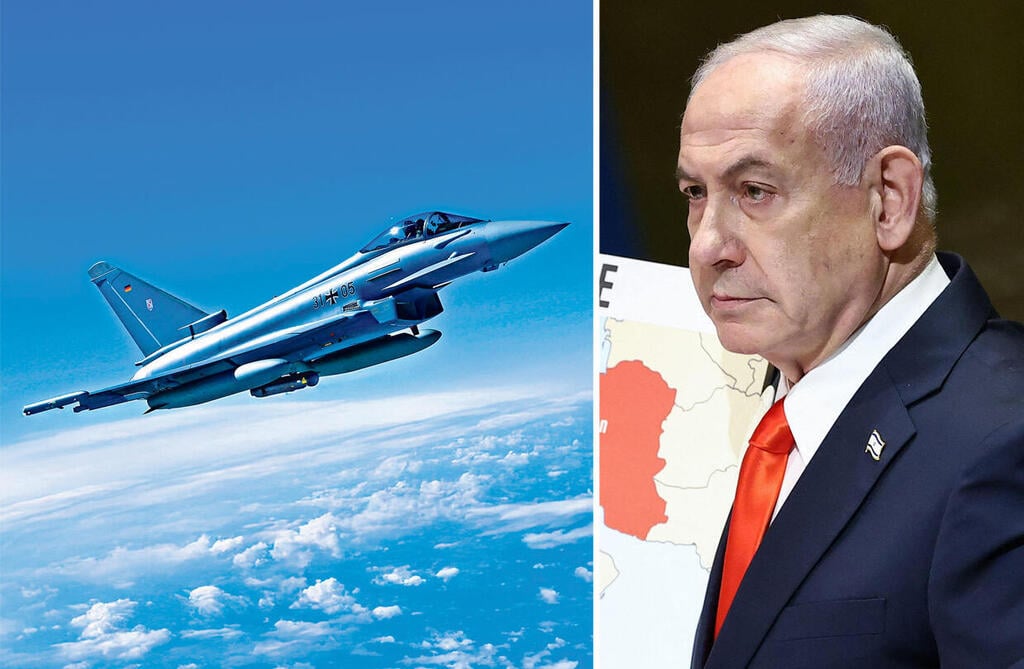
Another $763 million deal with Elbit Systems and two Spanish firms for Puls rocket systems was also canceled. Elbit’s share of the deal amounted to roughly $152 million. Earlier this year, Spain canceled a smaller munitions order worth several million dollars with an Elbit subsidiary.
The cancellations mark one front in a broader campaign by Spanish Prime Minister Pedro Sánchez, who has taken an unusually sharp tone toward Israel during the Gaza war. In recent weeks Spain imposed an arms embargo, barring Israeli-linked supply vessels from docking in its ports and halting exports of raw materials, forcing Israeli firms to seek alternatives.
Over the weekend, Spain and Italy deployed naval ships to escort the “Sumud” flotilla, which departed Barcelona in late August with the stated aim of breaking Israel’s naval blockade of Gaza. Ironically, the Spanish warship sent to accompany the flotilla carries Rafael-made weapons and defense systems. The governments announced the move after flotilla organizers said their vessels had been attacked by drones, causing damage to several ships.
Israeli defense officials have not commented publicly on Spain’s actions. But one senior industry executive told the Israeli financial daily Calcalist: “After the war they’ll come crawling back. They need our weapons more than we need them. They’re a small market. Still, this requires us to stay alert regarding other markets.”
Executives note that amid a global arms race, canceled systems like Spike missiles can be quickly diverted to other buyers. But they warn that the real threat lies in the continued freeze on new contracts. Deals worth billions of dollars have been stalled for months. Foreign procurement officials say the hesitation stems from hostile public opinion toward Israel, fear of domestic unrest, and a desire to avoid politically sensitive decisions.
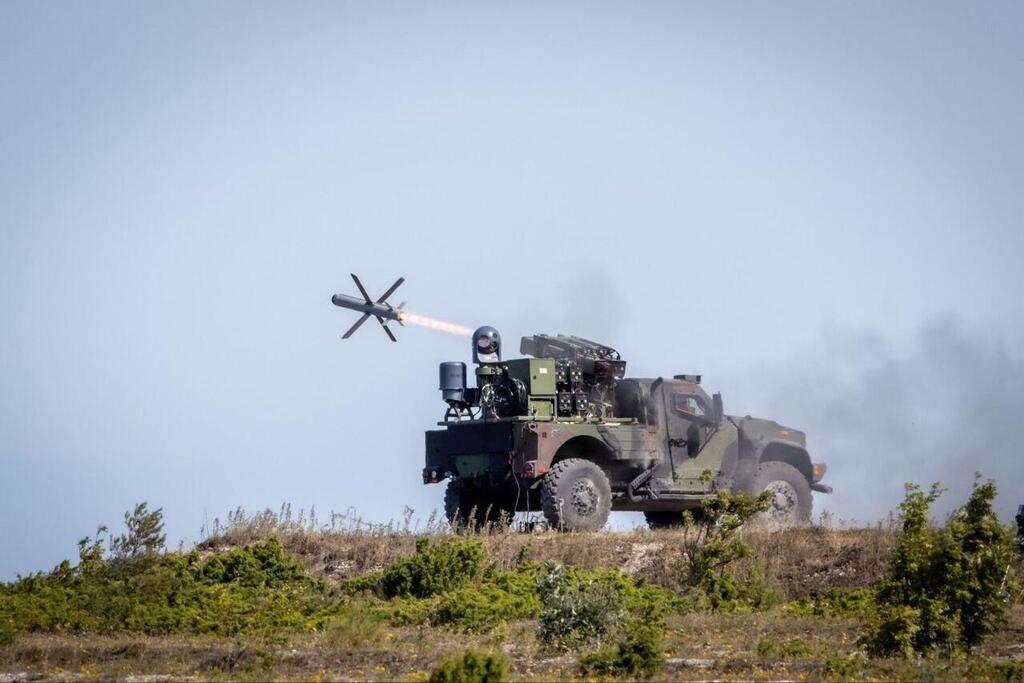
Rafael-made Spike anti-tank missiles
(Photo: Rafael)
“Israel’s technological edge is obvious and many countries want our weapons, but they prefer to wait until the Gaza war ends and global attention shifts,” another executive said. “Wars drag on, and clients can’t wait forever. If the current situation continues, we’ll see a decline in exports in 2026 and a serious blow in 2027. If things stabilize now, we can still benefit from strong demand and Israel’s reputation. But if not, we will be in an entirely different situation.”
Israel’s defense exports hit a record $14.8 billion in 2024, with half of that business in Europe. The Defense Ministry has warned for months that growing international isolation could hurt future sales. It has also sought to expand exports as a way of financing new production infrastructure and advanced systems to preserve Israel’s military edge.
A senior industry official warned that anyone who thinks Israeli defense companies can rely solely on local Defense Ministry orders “doesn’t understand reality.” He added: “Maybe former U.S. President Trump will bring some logic, end this war and save something. Our situation is not good, to say the least. Even our friends in the world feel like they’re sinking into the mud with us. Who wants to be friends with a pariah state? Israel cannot become Sparta.”
Meanwhile, Economy Minister Nir Barkat flew to Germany over the weekend on what he described as a 24-hour “lightning trip.” With Manufacturers Association president Ron Tomer at his side, Barkat met Germany’s economy minister to press Berlin to block a European Union proposal to suspend parts of its free-trade agreement with Israel. If implemented, Israeli goods would face tariffs in EU states.
Germany is considered a swing vote on the decision, which is due to be made by the European Commission. “Germany’s support against emerging sanctions is critical,” Tomer told Calcalist after the trip. “We received an encouraging message that they will not back trade restrictions, but politics there are complicated.”
A recent Manufacturers Association survey of 132 exporters found that half had experienced canceled or nonrenewed contracts with foreign clients. Seventy percent said the cancellations were political, and 84 percent were in EU countries. Thirty-eight percent reported shipping difficulties, while 29 percent cited customs delays worldwide. “The Israeli brand has been damaged,” Tomer said. “We never thought we’d reach this situation, but I’m optimistic — from here we can only go up.”
(Photo: IDF)
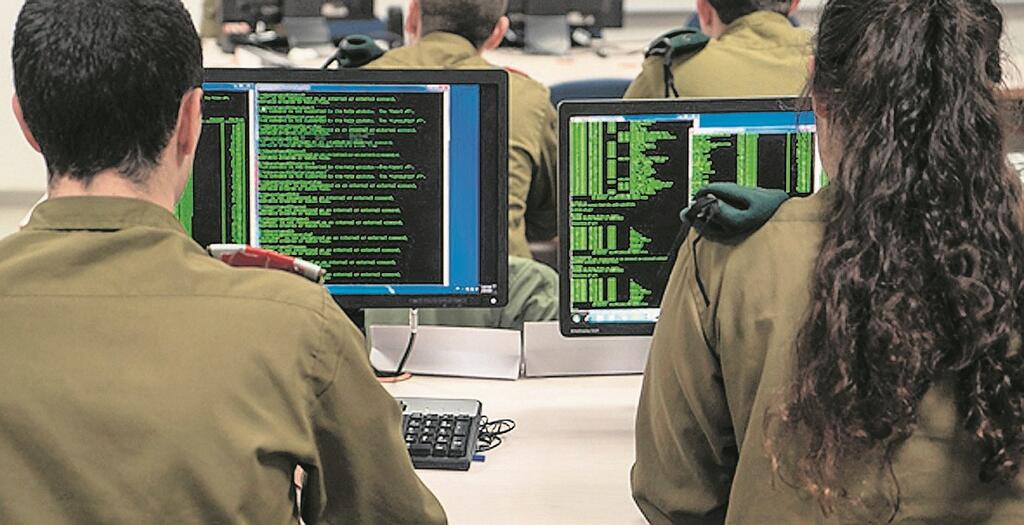
The crisis deepened further last week when Microsoft confirmed it had blocked Israel’s Unit 8200, the military intelligence division, from using some of its cloud services. The move followed a joint investigation by the Guardian and the Israeli-Palestinian outlet +972 Magazine, which reported that the unit had used Microsoft’s Azure servers to store intercepted phone calls by Palestinians in Gaza and the West Bank.
Microsoft president Brad Smith said the decision was meant to ensure the company’s technology is not used for mass surveillance of civilians. Employees had staged protests over the company’s ties to Israel, including an occupation of Smith’s office.
According to the Guardian report, Unit 8200 stored some 8,000 terabytes of intercepted data, including millions of phone calls, and used Azure computing power to analyze the material. Microsoft said it reviewed the matter with Israel’s Defense Ministry before suspending access to cloud storage, artificial intelligence tools and other services.
An Israeli security official insisted the decision had not harmed the army’s operational capabilities.