


Israel’s high-tech sector has weathered difficult periods before, with a range of crises: lockdowns, closures, boycotts, the evacuation of industrial zones, direct attacks and difficulties with foreign investors. Now the picture looks completely different. Based on numerous conversations we have held, people have simply grown accustomed, and the industry is largely continuing to operate despite the situation. You could call it the anomaly of Israeli high tech, or in other words — we have gotten used to it.
Our conversation with Dror Bin, CEO of the Israel Innovation Authority, is interrupted by an air raid siren in his area. After a 10-minute break, the call resumes as if nothing happened. We have gotten used to it. With Amit Bendov, CEO and co-founder of Gong, we speak while he rushes to a meeting in his New York office. To get there, he took a taxi to Eilat, crossed into Taba, spent a night in a hotel, then flew to Athens, on to San Francisco and finally to New York. But what is unusual about that? We have gotten used to it.
The truth is that this should not have normalized so quickly. For high-tech companies, and especially startups, it is not easy. They have employees serving in reserve duty, employees caring for young children, and others who are simply exhausted after waking up five times a night to run to shelters. In addition, it is difficult to nearly impossible to travel abroad for meetings with clients, something that can cripple a company. Raising capital has become nearly impossible, at least for some firms.
What is striking, from conversations with CEOs and investors in the field, are the differing — sometimes opposing — views on how the current wars are affecting high tech. Each sees a slightly different aspect, each responds somewhat differently. At the end of the day, no one is crying out, no one is complaining. Unlike other sectors of the economy that have demanded compensation and government assistance, in high tech they simply want it to end.
‘There isn’t the panic of October 7’
This week, the Innovation Authority launched a survey asking high-tech companies whether the war is causing them damage. “We are constantly speaking with companies, and the difficulties are real,” Bin says. “Employees are called up for reserve duty and suddenly critical people in your work plan disappear. Many employees have young children and are effectively unavailable most of the day. It is very difficult to get on a flight to attend conferences or meet clients, almost impossible to bring in investors or carry out due diligence. There are many, many challenges. We want to examine this quantitatively so we can rely on data and understand how we should act.”
Does this resemble the period after October 7 or the first Iran war?
“I have to say that after October 7 there was a sense of shock — ‘what do we do now?’ We used the slogan ‘Israeli Tech Delivers No Matter What’ to convince clients abroad that we would not take our foot off the gas, but also to convince ourselves that we could continue even in extreme situations. This time — based on many conversations — there isn’t the atmosphere of panic that there was after October 7.”
Bin recalls how during that period the Innovation Authority dealt with an exodus of investors and startups left without access to capital. “We worked around the clock and within four weeks launched a fast-track program that provided grants to companies that were in the middle of fundraising rounds and whose foreign investors had pulled out. These were companies on the verge of closing, and the grants allowed startups to keep their heads above water,” he says.
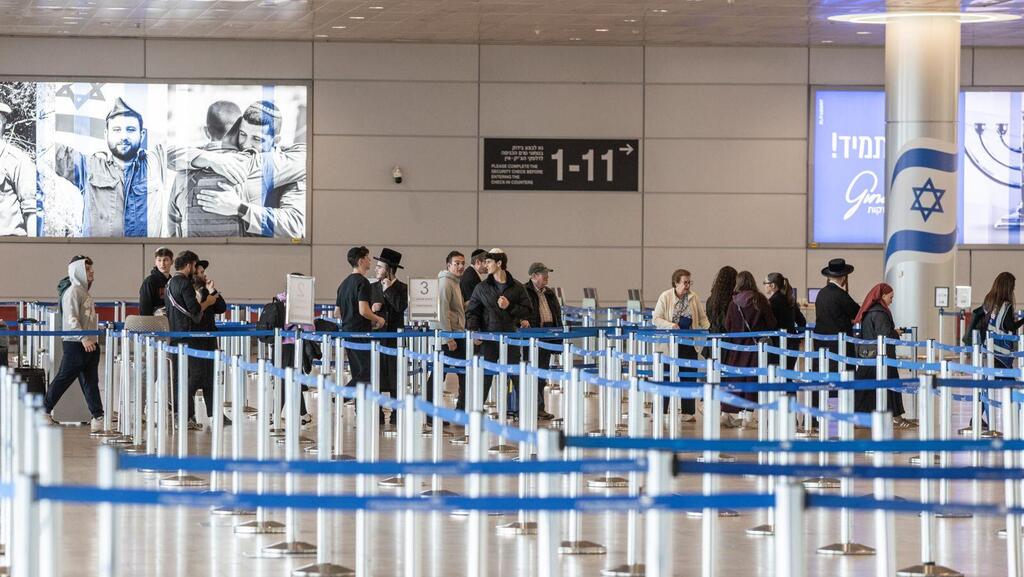
Ben Gurion Airport during wartime, major difficulty traveling for meetings and bringing investors to Israel
(Photo: Israel Airports Authority)
This time, he says, such measures have not been necessary — at least not yet. “It seems we have already experienced several escalations in this long war, and we now know what to do,” he says. “I will tell you more: even among foreign investors, it seems less hysterical than after October 7. Then there was a question of whether Israel would look the same as before, whether it could even recover. But 2024 and 2025 showed that Israel not only recovered, but that Israeli high tech thrived. 2025 was one of the best years ever for Israeli high tech, with $80 billion in exits and growth in the number of startups founded.”
How do you explain that?
“I think that, in a paradoxical way, as often happens in Israel, something good came out of something difficult. The fact that many people went into reserve duty and volunteer efforts pushed them out of their comfort zones, exposed them to new needs that innovation can solve and brought them into contact with people they would not otherwise meet. That created a mixing of the ecosystem and suddenly there are many new ideas.”
Is the world not boycotting Israel this time?
“The Authority manages Israel’s participation in the European Horizon program, which provides significant research funding. Usually, when there is an escalation — such as after the entry into Rafah — criticism in Europe intensifies. There was talk of limiting our participation as diplomatic punishment. But in the past two and a half weeks, this has not happened. We are not seeing another wave like in previous escalations. It is likely being perceived more as a move by Trump than by Israel, and their frustration is directed elsewhere.”
‘Companies are starting to miss deadlines’
We speak with Shiri Vax, CEO of recruitment firm Gotfriends, from a reinforced safe room. It is not that a siren has just sounded, but that she has moved her office into the company’s safe room and works there permanently. When sirens go off, employees gather around her — which she says is actually a benefit. This too is part of the new normal.
Vax has her finger on the pulse as part of her role. She speaks with HR managers at high-tech companies in Israel and abroad, who are often closest to company leadership. “This war is putting CEOs under stress,” she says. “It is delaying their ability to meet targets. Employees are struggling to complete 100 percent of their tasks, even 80 percent.”
What is the main reason?
“They are not sleeping at night, they have children to care for, they have to juggle Zoom calls with them, there is anxiety. It is very difficult to work remotely with young children at home. When the burden is split between two parents, they are working at 50 percent to 70 percent capacity. Some employees live in Tel Aviv and do not have a protected room. People are not sleeping at home, they are like refugees. Many people in high tech were stuck abroad and only returned this week.
“On the other hand, if companies ask employees to return to the office, they face backlash on Facebook: ‘How can you not trust me, how can you ask me to risk my life commuting for an hour?’ This is in tension with the need to meet targets. On one hand, we present ourselves as the startup nation that continues no matter what. On the other, we see exhausted employees, not sleeping, running on their last bit of energy.”
Isn’t the simple solution working from home via Zoom?
“We all worked hybrid during COVID for many months, and productivity was excellent. As a CEO, I do not understand why companies force employees to come in physically, given that commuting takes about 50 minutes each way and there is a good chance of a siren during that time.”
What do you suggest CEOs do?
“I think a 12-day war ended in less than two weeks, and here we are in the third week, with Passover approaching — another two weeks of limited work. Companies are starting to miss deadlines and CEOs are beginning to feel pressure. Development managers are also under pressure, and for good reason. I think the solution is to reopen schools and childcare. Once children are out of the house, the startup nation knows how to work remotely at full capacity.”
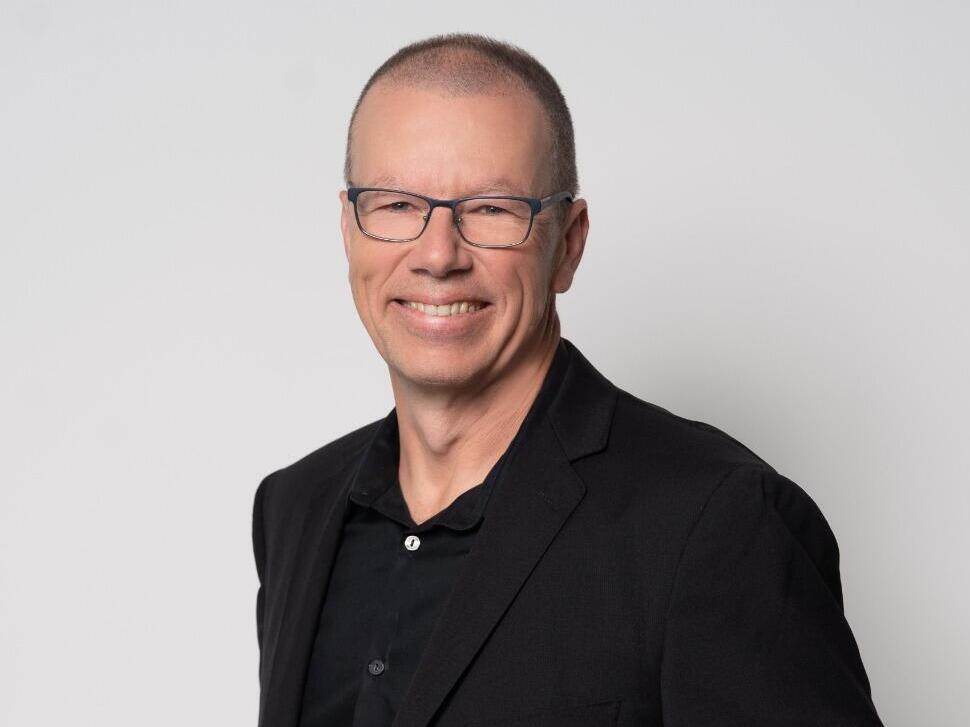
Amit Bendov
(Photo: Rami Zeranger)
Amit Bendov, now in New York, says he is effectively stuck there. “My family is in Israel and I am here,” he says.
Is it worth the effort?
“You know, we try. There have been many events in recent years. But clients and the market need to feel they are working with companies that operate no matter what. After October 7, the motto was ‘we don’t miss a beat.’ We are not the only ones — many companies are doing this. Even though the world is far from normal. Everyone is working from home, but there are no schools. People with children sometimes have to run to the safe room in the middle of a client call. It is not simple. Everyone understands we need to maintain business as usual, even though nothing is normal. But clients should not feel that.”
Do you feel productivity has declined?
“Even if productivity drops, that is okay. People are giving everything they can, and we are not timing them with a stopwatch. I do not feel there is a slowdown, even though I know it is very difficult. These are not easy days, but fortunately we are experienced.”
Backup centers abroad
One of the vulnerabilities of Israeli companies is that their research and development centers are often located in Israel. With some employees in reserve duty and others occupied with children and fatigue, Bendov says Gong has found a solution: “We moved part of our R&D abroad. We now have engineers in Ireland and New York, and an operations center that provides backup in case Israel is somehow disconnected from the internet. We have contingency plans and people who can support customers at any time. We aim for customers not to feel anything — not to hear ‘sorry, I cannot fix the issue because I am in a safe room with my kids.’”
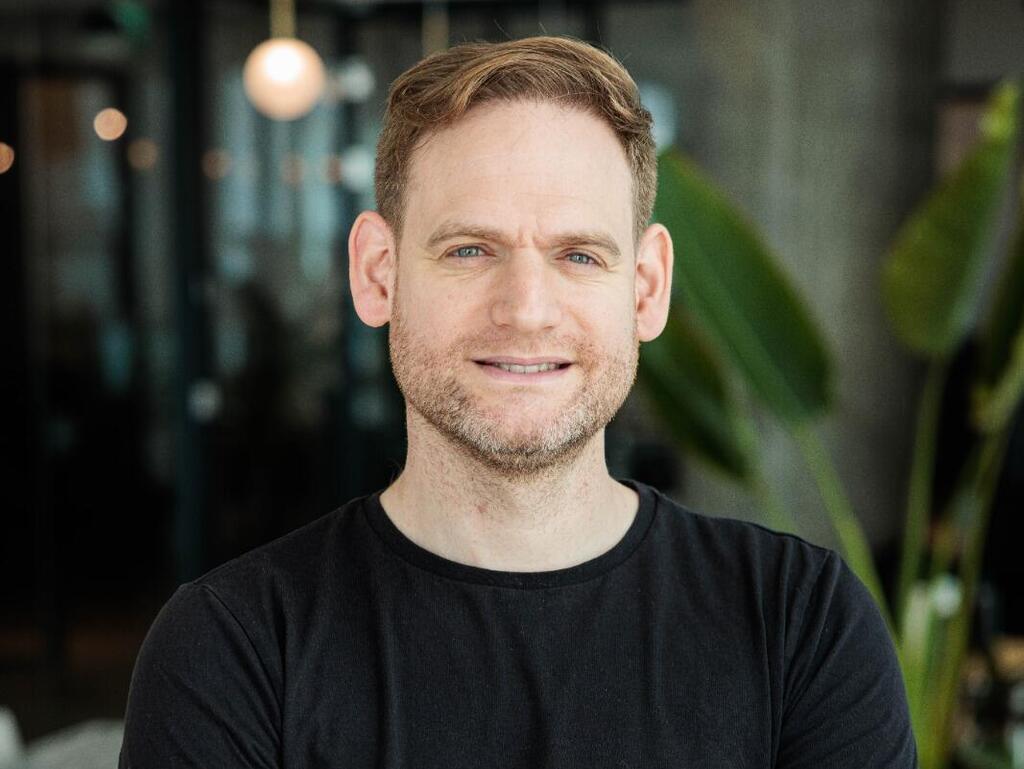
Ofir Ehrlich
(Photo: Assaf Raviv)
Ofir Ehrlich, CEO of cybersecurity company Eon, describes a similar reality. “Most of our employees have children, and suddenly there are no frameworks, there is anxiety. Some are in reserve duty, which is fine, but what is harder is when a spouse is in reserve duty and there is anxiety alongside the expectation to continue delivering,” he says.
“One of the key lessons from the first round was to be as supportive and accommodating as possible. We do not expect anyone to do what they cannot. No one will be judged harshly. We provide special support — for example, if an entire family lacks a protected space, we fund hotel or Airbnb stays. We also have a doctor and psychologist available 24/7.”
Despite the difficulties, he notes strong solidarity among employees. “People want a sense of purpose. There is uncertainty, children running around at home, and they seek some stability. So you see them working at all kinds of hours. We did not require people to come to the office, especially since it is near the Kirya (Israel’s military headquarters in Tel Aviv), but some actually want to come.”
Can you maintain client relationships?
“In the end, we are an Israeli company, and beyond the war there is also antisemitism. Most of our customers are in the United States and are used to buying from American companies. Our approach is to say everything is normal and build mechanisms to deliver regardless of circumstances. This is critical to our resilience as a high-tech powerhouse.”
What about fundraising challenges?
“As an active angel investor, I can say the volume of investments from strong U.S. funds into Israeli companies right now is incredible. I made eight investments in the past two and a half months — more than ever before.”
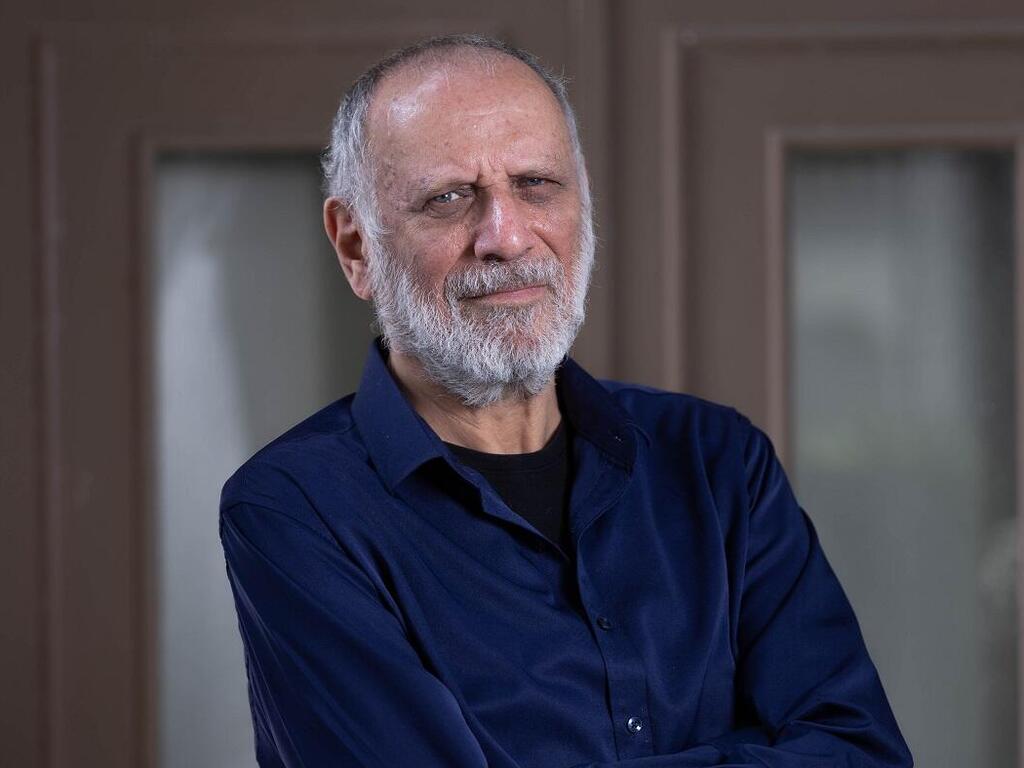
Dov Moran
(Photo: Yuval Chen)
Veteran venture capitalist Dov Moran initially sounds indifferent, but then acknowledges that things are not so simple. “At my age, and with the experiences I’ve had in my life, there’s no real pressure — this is a deluxe war. In the 18 days since the war began, fewer people have died from unnatural causes than on a typical day, because there are almost no accidents and hardly any murders.”
That sounds almost optimistic.
“I would suggest not being optimistic based on that. Look, overall, everyone is working from home. We’re holding meetings on Zoom — it’s less ideal but workable. In high tech, give someone a computer and they can do the job. The main problem, of course, is the children who are at home and need care. So work is partial. On the other hand, people aren’t going out in the evenings, so they have more time. It’s not just fatigue — it’s also mental exhaustion, because ultimately it’s troubling that we don’t control our lives.”
What does the investment landscape look like right now?
“Just yesterday, we reported an investment we made with Glilot in Niv-AI. So we are investing, and we’re also seeing investments in our portfolio companies. On the other hand, in the past two and a half weeks I’ve encountered two companies that had deals agreed upon with a handshake and even a term sheet, where foreign investors simply pulled out and said, ‘we’re not investing.’ I very much hope this returns quickly to the previous situation. Ultimately, this flow of capital is very good for Israel — it enables our relatively high standard of living and, more than that, it allows the state to spend significant funds on defense. Without that money, our level of security would drop dramatically.”
According to Yair Amsterdam, CEO of Verbit, the company has maintained full business continuity, both in development and commercial operations. He said a key conference took place in early March: “Participation in the conference was critical for meetings with existing customers, partners and potential clients. Due to flight cancellations, I chose to attend anyway, via a complex route that included traveling to Eilat, crossing through Aqaba, then flying via Athens to the United States. The move demonstrates a deep commitment to customers and partners, even under unusual conditions.”
Shabtai Adlersberg, CEO of AudioCodes, said an event for sales managers from around the world scheduled for late February was canceled due to the situation. “I can only be thankful — otherwise they would have been stuck here,” he said, reflecting what has become another kind of new normal.
According to Adlersberg, most of the company’s sales are conducted abroad and that aspect has continued without disruption. “What has been affected — the only thing affected — is travel abroad and participation in events. But I wouldn’t say we’re under pressure. Of course, no one wants this situation to drag on for months, but over the past two to three weeks, the impact has been limited.”
Do you feel that some clients are hesitant or reluctant to work with a company based in Israel?
“Look, this is a long-term process that didn’t start with this war. In general, as the share of managers in other countries increasingly comes from Muslim backgrounds, you never know whether losing a bid had something to do with that. There’s an American company where, if I had to guess, there are at least several hundred managers named Mohammed or Ismail. Does that mean they are antisemitic? I don’t know. Over the long term, it’s less comfortable for Israeli groups, but we haven’t encountered it in a blatant way.”
Avichay Nissenbaum, a founding partner at early-stage venture fund lool ventures, said: “Let’s be honest — for early-stage startups, the situation is particularly critical. When time is the company’s most valuable resource, every week of uncertainty shortens the runway to the next milestone. Our founders are no longer managing a crisis, they are managing a new reality. They built distributed teams from day one, embedded AI tools at the core of operations long before it became a trend and learned to build trust with investors remotely when the skies are closed — in the most literal sense. What surprises me is the young CEOs who are showing remarkable managerial maturity.”
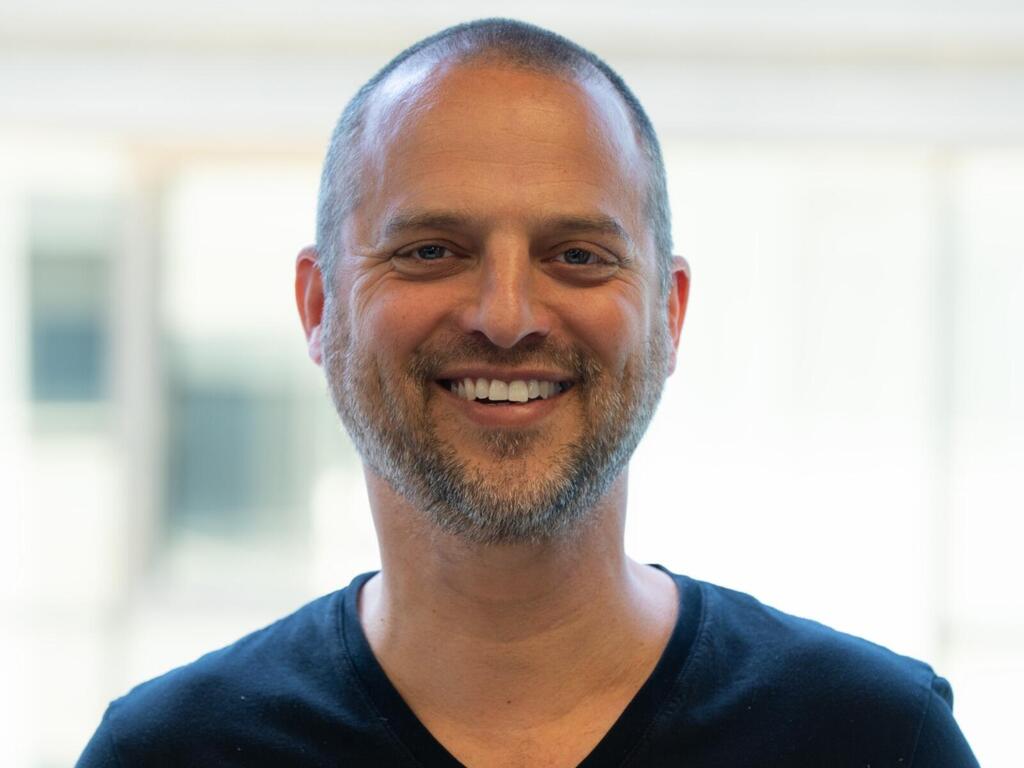
Ronen Solomon
(Photo: courtesy of Altshare)
Ronen Solomon, CEO of Altshare, said the key challenge now is business continuity. “In this war, the human factor is the bottleneck. Since October 7, we have accumulated more than 4,000 days of reserve duty, and in the current phase about 20% of our employees are called up. This affects every layer of the organization. At the same time, we are committed to continuing to serve our clients, so we built a system that enables full backup, knowledge sharing and complete transparency in processes.”
Dr. Yehuda Salhov, SVP at UCT Israel, based in the Tziporit industrial park in the Galilee, described operating under fire from Hezbollah and Iran. “Despite this, we continue to deliver critical components to the global semiconductor industry and are currently hiring 200 new employees to keep up with demand,” he said. According to Salhov, air shipments are functioning more efficiently in this round: “Last time, during the confrontation with Iran, it took nearly a full week to get shipments out. This time, it takes two days.”