

In a message to debtors, Rishon Lezion Magistrate’s Court Judge Dar Lahav rejected a request by a man undergoing insolvency proceedings (formerly known as bankruptcy) to continue paying off a loan for a Tesla. The monthly loan payment for the 2022 vehicle is about NIS 3,350. Claims filed against him total roughly NIS 1 million, and he has been ordered to pay NIS 3,000 each month into the creditors’ fund.
The judge ruled, “I do not believe the purposes of insolvency proceedings align with an individual holding a luxury vehicle, even if the car is used for family transportation.”
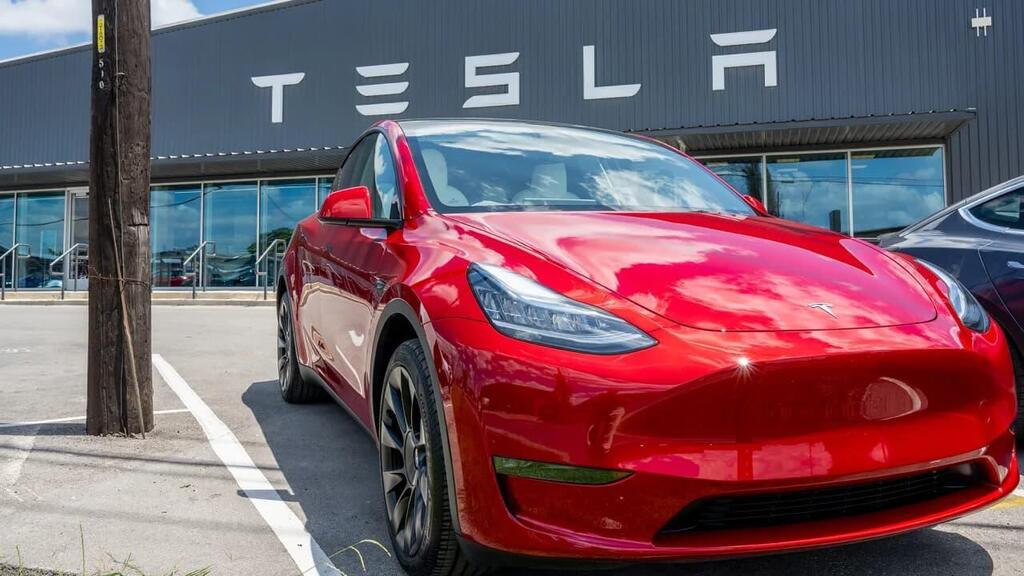
Tesla
(Photo: Brandon Bell/Getty)
The debtor argued that the car is essential for him and his family, particularly to maintain visitation schedules with his young daughter. He also said Tesla is cost-effective because of its low maintenance expenses and the lack of fuel costs. In addition, he said he uses the car for extra work as a Wolt courier, which brings in about NIS 4,000 a month — income he would lose if the car were sold.
The Insolvency Commissioner, represented by attorney Hadar Sharabi Shiovitz, opposed the request, arguing that entering insolvency proceedings requires frugal financial conduct.
“In this case, it is difficult to accept the request when the debtor’s creditors continue to bear the inherent economic harm while the debtor seeks to keep a high-value vehicle worth around NIS 163,000,” the commissioner’s office noted. “Using public transportation would significantly reduce his monthly expenses and help increase repayment to creditors. Alternatively, he could hold a reasonably priced car suited to his financial condition and the scope of the claims against him.”
The judge accepted the commissioner’s position and ruled that the debtor’s request should be denied, saying his financial difficulties stem from “taking out consumer loans.” She emphasized that a luxury car loan with a monthly payment exceeding NIS 3,350 (before additional expenses) is part of the same financial behavior that led to his insolvency.
The judge also ruled that continuing to pay the car loan amounts to “preferential treatment of creditors,” since the secured creditor (the financing company) receives a monthly sum greater than what the other creditors receive. She stressed that the debtor is expected to adopt restrained financial conduct, writing that “the household can make do with a modest car or with public transportation.”
Attorney Hana Gamburg, representing the debtor, said in response: “The court’s decision reinforces our consistent recommendation not to keep luxury vehicles during insolvency proceedings. Despite our advice not to keep such a car, we submitted a substantive response to the debtor’s request, and we always fight when there is justification. That said, the sensible provision in the law allows, in most cases, the retention of a modest vehicle, even if purchased with a loan, when there are compelling circumstances that justify its continued use. The proof is that our office holds dozens of rulings permitting debtors to keep a vehicle in similar circumstances — when the car in question is not a luxury vehicle.”