

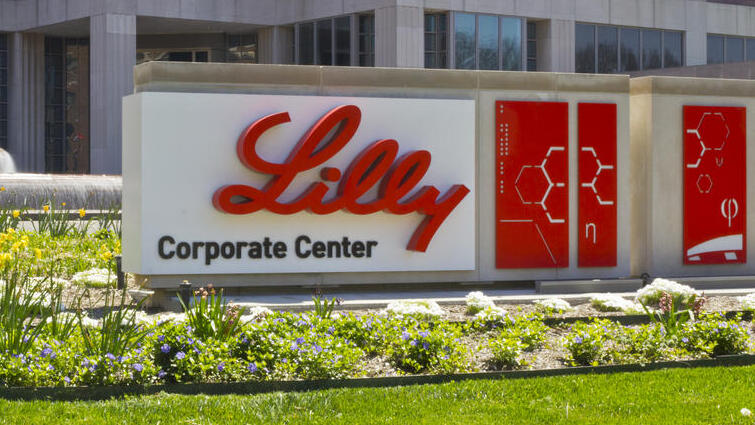
Eli Lilly became the first pharmaceutical company in history to reach a $1 trillion market valuation on Friday, a milestone typically reserved for the world’s largest technology giants.
The stock briefly crossed the threshold in early trading when shares climbed past $1,057.77 before retreating slightly to around $1,050. Even so, the surge underscores how dramatically the company has transformed into the dominant force in the global weight-loss-drug market.
Lilly’s meteoric rise has been powered by explosive demand for its incretin-based drugs, including Mounjaro for type 2 diabetes and Zepbound for obesity. Together, the two medicines have become the company’s main growth engine. In the most recent quarter, Mounjaro generated $6.52 billion in revenue, up 109% year-over-year, while Zepbound reached $3.59 billion, soaring 184% from the same period last year. Sales of the two drugs now exceed those of Merck’s cancer blockbuster Keytruda, making Lilly the world’s top-selling drugmaker.
The rapid adoption of Lilly’s treatments has outpaced that of rival Novo Nordisk, whose Wegovy launch in 2021 was slowed by supply shortages. In the U.S., Lilly now holds 57.9% of the incretin drug market, a category that includes Wegovy and Zepbound. Strong clinical data, faster manufacturing scale-up and broader distribution have helped Lilly widen its lead.
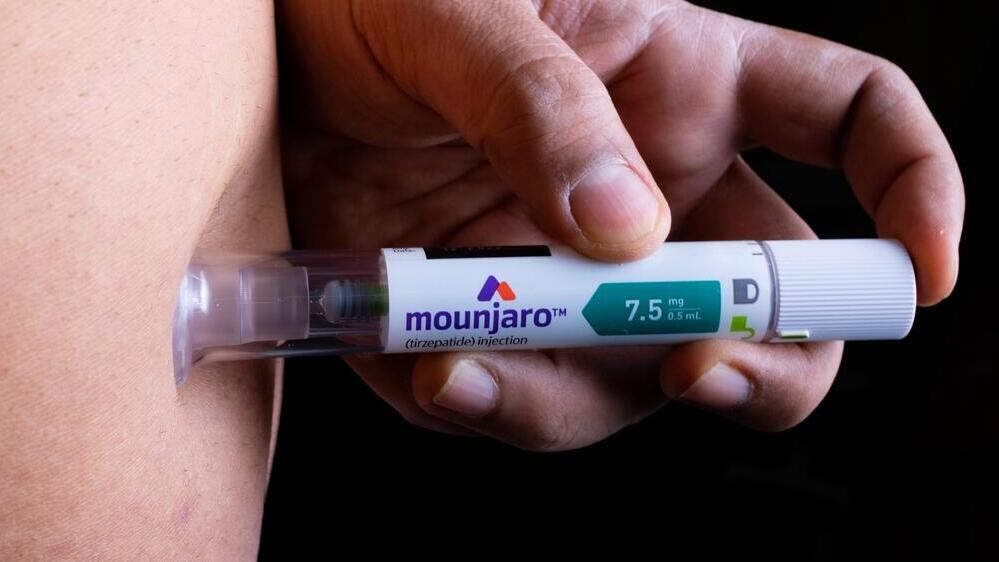
Lilly's Mounjaro weight-loss drug
(Photo: Shutterstock)
Investors have taken notice. Lilly shares have gained more than 35% this year and nearly 200% since early 2023, consistently outperforming the broader market. Since the launch of Zepbound in late 2023, the stock has risen more than 75%, compared with a roughly 50% climb in the S&P 500. Lilly now trades at one of the highest valuations in Big Pharma—about 50 times its projected earnings over the next year—reflecting investor conviction that demand for weight-loss drugs will remain robust.
The company’s pipeline is driving further optimism. Lilly is preparing to launch orforglipron, a highly anticipated oral weight-loss medicine expected to win approval early next year. The firm is also developing next-generation treatments including retatrutide and eloralintide, which could deliver stronger or more diverse results. Analysts estimate the global weight-loss market could surpass $150 billion by 2030, with Lilly and Novo expected to dominate worldwide sales.
Lilly’s momentum has also been helped by a recent agreement with the Trump administration that opens Medicare coverage to its weight-loss drugs in exchange for lower cash-pay pricing—potentially adding tens of millions of eligible patients.
As health-care stocks broadly outperform the market, Lilly now sits in rarified air, standing alongside the likes of Nvidia, Microsoft and Berkshire Hathaway—proof that the weight-loss revolution has reshaped not just medicine, but the upper ranks of corporate America.