


Tel Aviv’s high-tech industry has pushed the city into the global league of innovation hubs, but a shortage of premium real estate could now slow its momentum, according to a new report by global real estate giant JLL.
The study places Tel Aviv alongside leading tech cities such as Austin, Berlin and Seattle, describing it as a global technology hub. But it also warns that the next phase of competition between high-tech cities will not be decided only by talent, startups and fundraising. It will also depend on whether cities can provide quality office space, transportation, housing and an urban environment that allows companies and employees to remain, grow and compete.
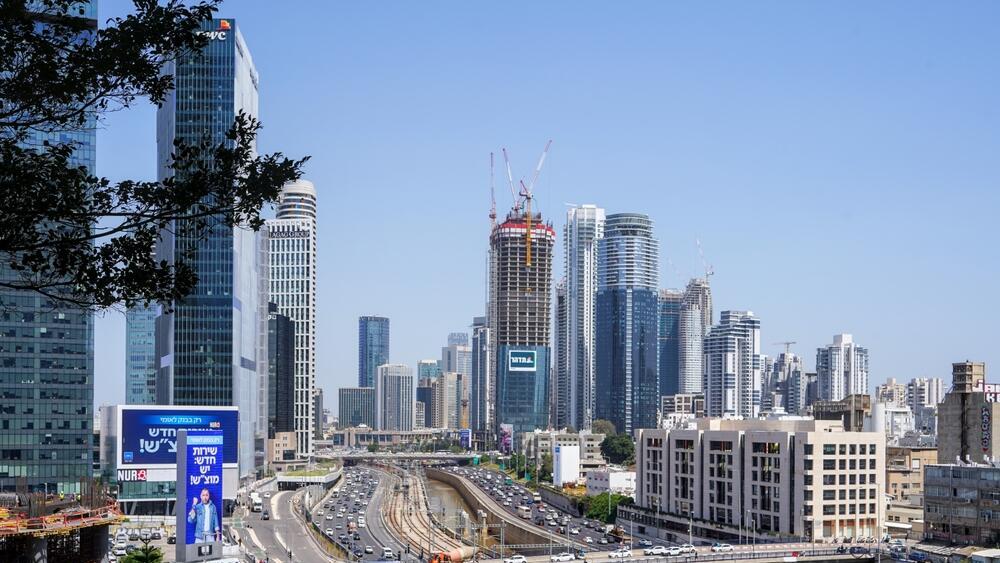
According to the report, Tel Aviv is part of a select group of 18 cities consolidating their status as important growth centers on the global innovation map. The group includes Los Angeles, Shanghai, Austin, Berlin, Seattle, Munich, San Diego, Amsterdam, Copenhagen, Helsinki, Stockholm, Zurich, Cambridge, Sydney, Washington, D.C., Toronto and others.
Within that group, JLL identifies Tel Aviv as one of the world’s notable technology hubs, placing it alongside Austin, Berlin and Seattle.
The report analyzes 135 cities with more than 866 million residents. Together, those cities represent $54 trillion in annual output, 937 million square meters of office space and 38 million workers in high-tech employment.
JLL’s classification is based on two central measures: innovation output, including patents, venture capital and research and development, and talent concentration, including education, high-tech employment and academic research.
According to JLL, the San Francisco Bay Area continues to lead the global innovation map. Alongside it are eight anchor cities: Beijing, Boston, London, New York, Paris, Seoul, Singapore and Tokyo. Together, the Bay Area and those anchor cities account for $12.8 trillion in output. Over the past three years, they have recorded nearly $770 billion in venture capital investment and $78 billion in foreign direct investment.
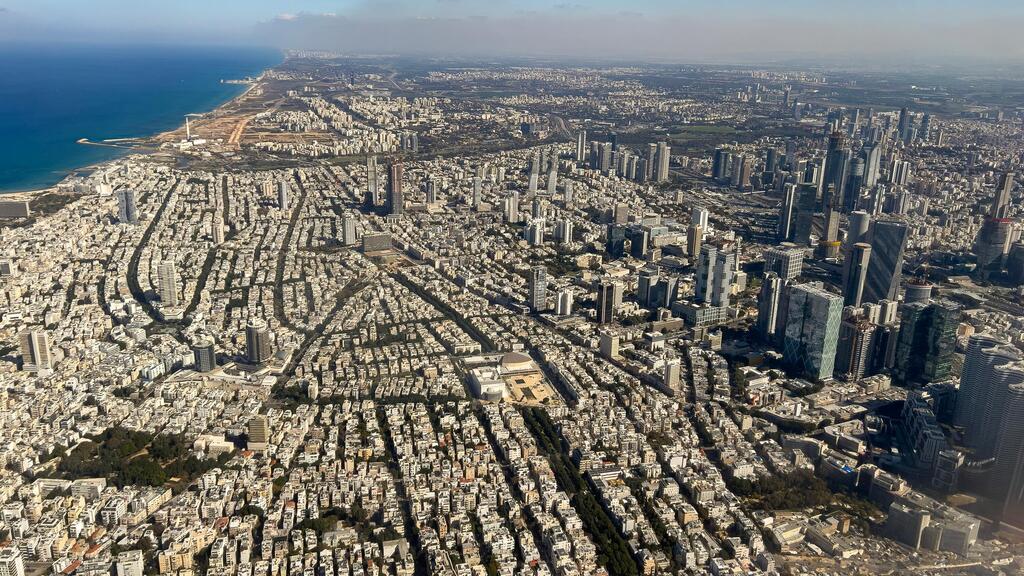
Tel Aviv is part of a select group of 18 cities consolidating their status as important growth centers on the global innovation map
(Photo: Vlad Kaminski/ Shutterstock)
But the report also shows that a broader layer of cities is emerging around those established centers. Tel Aviv is among the cities blurring the old boundary between primary innovation centers and places once considered secondary.
The group of cities that includes Tel Aviv has migration rates 3.8 times higher than those of the San Francisco Bay Area and the anchor cities, a figure JLL says illustrates their ability to attract companies and human capital.
One of the report’s main conclusions is that high-tech companies no longer choose locations based only on country, city or price per square meter. Real estate decisions are increasingly shaped by access to transportation, proximity to services, active public space, mixed-use development, research institutions and cultural and leisure districts.
Premium office shortage becomes a bottleneck
The report points to a widening gap between demand for high-quality workspaces and the available supply. Only 11% of global office space has been built since 2020. In the San Francisco Bay Area and the anchor cities, the rate falls to about 9%.
The shortage is especially acute in leading business districts. In Paris, for example, the vacancy rate for new offices is just 0.9%. In London, it stands at 1.2%.
The mismatch between demand for high-quality office space and existing supply is already affecting the upper end of the office market. In the anchor cities, average rents for Class A+ assets in central business districts exceed $1,280 per square meter per year.
In the group of cities that includes Tel Aviv, average rents stand at about $837 per square meter per year. By comparison, in less established cities with younger innovation hubs, average rents are just $324 per square meter.
The study also identifies a central paradox in the market. On one hand, more cities around the world are becoming significant innovation hubs. On the other, real estate capital remains concentrated in a limited number of markets. According to JLL, markets in the upper half of the innovation rankings record commercial real estate sales activity 3.3 times higher than markets in the lower half.
Yaniv Lotringer, CEO of JLL Israel, said the report gives Tel Aviv a clear place on the global innovation map.
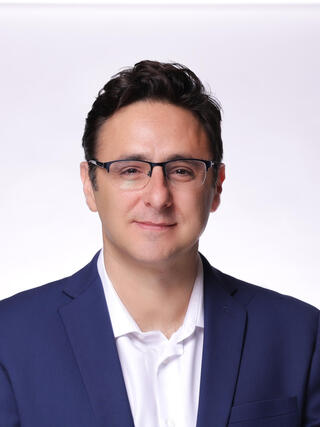 Yaniv Lotringer, CEO of JLL IsraelPhoto: Amir Levi
“The report places Tel Aviv in a clear position on the global innovation map, alongside cities such as Austin, Berlin and Seattle,” he said. “But it also sharpens the next challenge: innovation does not exist only inside companies and fundraising rounds. It needs a city that works, with quality offices, transportation, housing, research institutions and an environment that creates connections between people, companies and ideas.”
“For Tel Aviv and Israel, the next question is not only how many companies will be founded here, but whether we can create the infrastructure that will allow them to stay, expand and attract talent,” Lotringer added. “Those who know how to plan today the work and living environments of 2030 will hold a significant advantage in the competition for global companies and top employees.”