

U.S. lawmakers are moving to outlaw betting on high-stakes government actions, unveiling coordinated legislation aimed at cutting off gambling platforms from contracts tied to war, military operations and other sensitive federal decisions, as scrutiny grows over trades placed ahead of recent geopolitical flashpoints.
Sen. Chris Murphy of Connecticut and Rep. Greg Casar of Texas introduced the Banning Event Trading on Sensitive Operations and Federal Functions, or BETS OFF, Act, which would prohibit wagers on future events, including military operations, government actions, terrorism, war, assassination and outcomes that a single person knows or controls.
Gallery
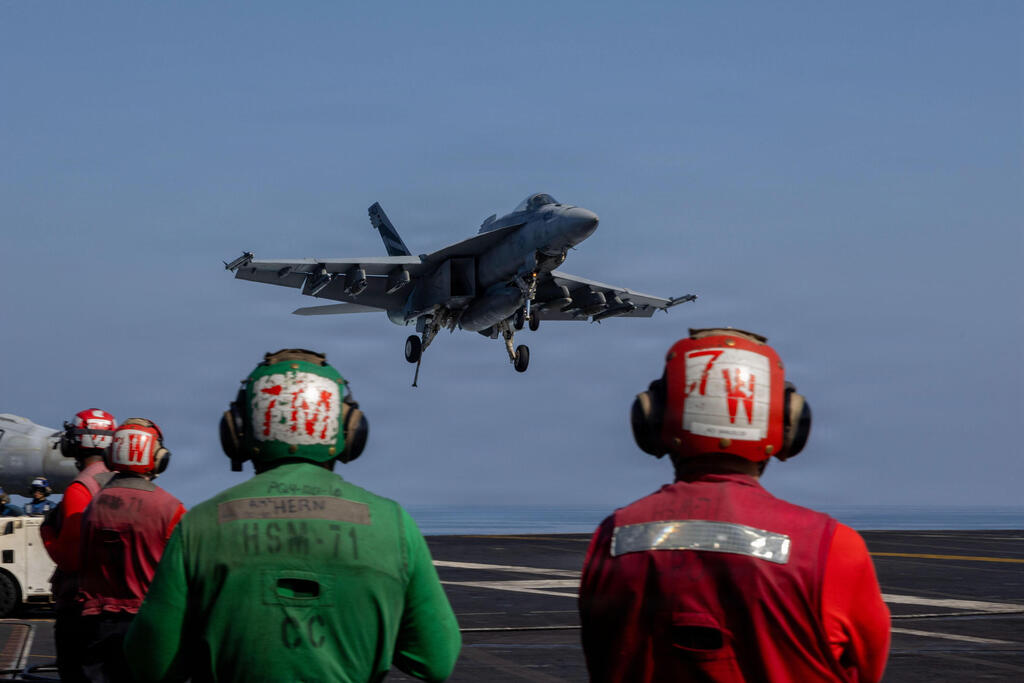
A US fighter jet takes off from the aircraft carrier USS Gerald R. Ford during the war against Iran
(Photo: US Navy via Getty Images)
Murphy’s office said the bill also would strengthen enforcement against offshore platforms by targeting payment systems and imposing criminal penalties on people in the United States who promote, manage, own or supervise illegal betting businesses.
The push is part of a broader congressional effort to rein in prediction markets after well-timed bets before U.S.-Israeli strikes on Iran and the U.S. operation to capture former Venezuelan leader Nicolás Maduro raised questions about whether people with access to nonpublic information could profit from sensitive decisions.
Lawmakers framed the measures as a response to suspected manipulation and to concerns that markets can be distorted when a decision-maker controls the outcome.
A White House spokesman said “the only special interest guiding the Trump administration’s decision-making is the best interest of the American people.”
The legislative push follows a surge in trading around violent geopolitical events that critics say underscores both ethical risks and threats to market integrity. According to a Reuters review of Polymarket, $529 million was placed on a series of contracts tied to the timing of attacks on Iran, while another $150 million was wagered on contracts tied to the removal of Iran’s supreme leader, Ayatollah Ali Khamenei. Analytics firm Bubblemaps said six accounts made about $1.2 million in profit from Polymarket bets funded in the hours before the raids.
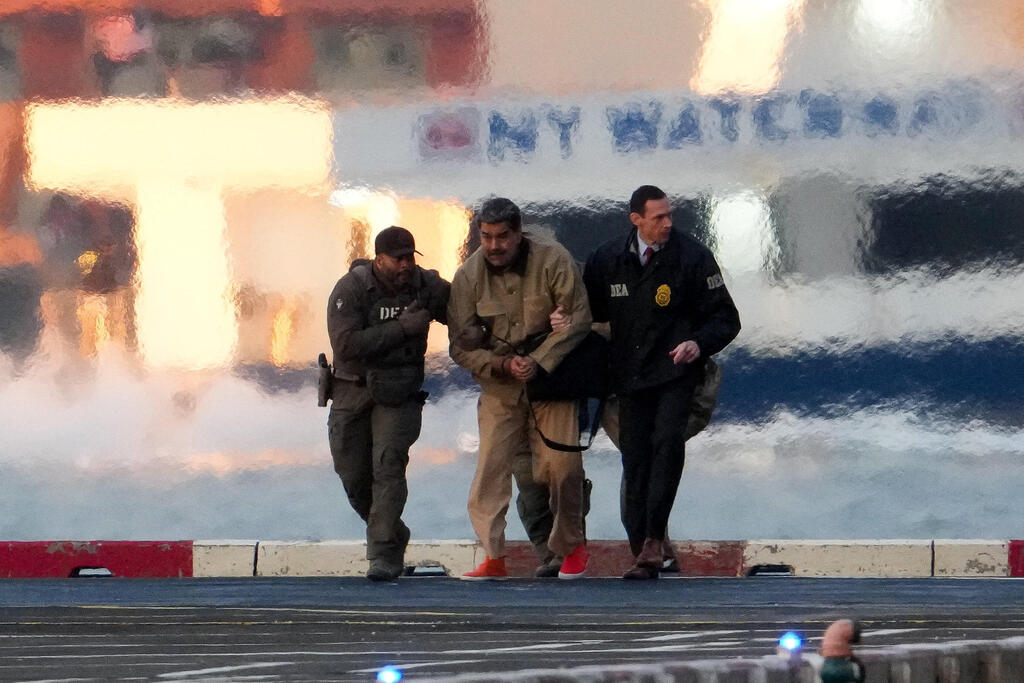
Ousted Venezuelan President Nicolás Maduro is escorted to a courthouse in Manhattan, New York, United States
(Photo: REUTERS/Adam Gray)
Dozens of newly created accounts placed bets on the strikes in the hours before the U.S.-Israeli attack on Iran in late February, with some accounts collecting more than $10,000. One trader made more than $553,000 from a wager that Khamenei would be out of power shortly before he was killed in the strikes on Feb. 28. A Kalshi market on whether Khamenei would be “out” reached $54 million in trading before it was suspended. Kalshi was later sued over its handling of payouts tied to that market.
The trend is not limited to Iran. In January, an anonymous Polymarket trader who began with a $96 wager built positions worth about $34,000 and ultimately made roughly $410,000 by betting that Maduro would be removed from power in a U.S. military operation. That episode prompted renewed calls in Washington for tighter oversight of prediction markets and potential insider trading rules.
Even as criticism intensified, prediction platforms continued listing contracts tied to ceasefires in the Middle East and possible U.S. troop deployments. Polymarket has said that during global crises, its data can offer clarity not found on social media or traditional broadcasts.
The Commodity Futures Trading Commission is also developing a broader regulatory framework for prediction markets, underscoring growing recognition in Congress and among regulators that existing rules may need to adapt to fast-evolving financial products.
Lawmakers say their proposals are meant to protect market integrity without choking off innovation or legitimate forecasting, drawing a sharper line between acceptable speculation and profits derived from nonpublic government decisions. The path for the BETS OFF Act to become law remains uncertain.