


Israel will allow the Chevron-operated Leviathan natural gas platform to resume operations after a monthlong shutdown, the Energy Ministry said Thursday, restoring a key source of gas exports to Egypt and Jordan while leaving the Karish platform closed for now.
The Tamar platform, which has continued operating throughout the war, will remain online, the ministry said.
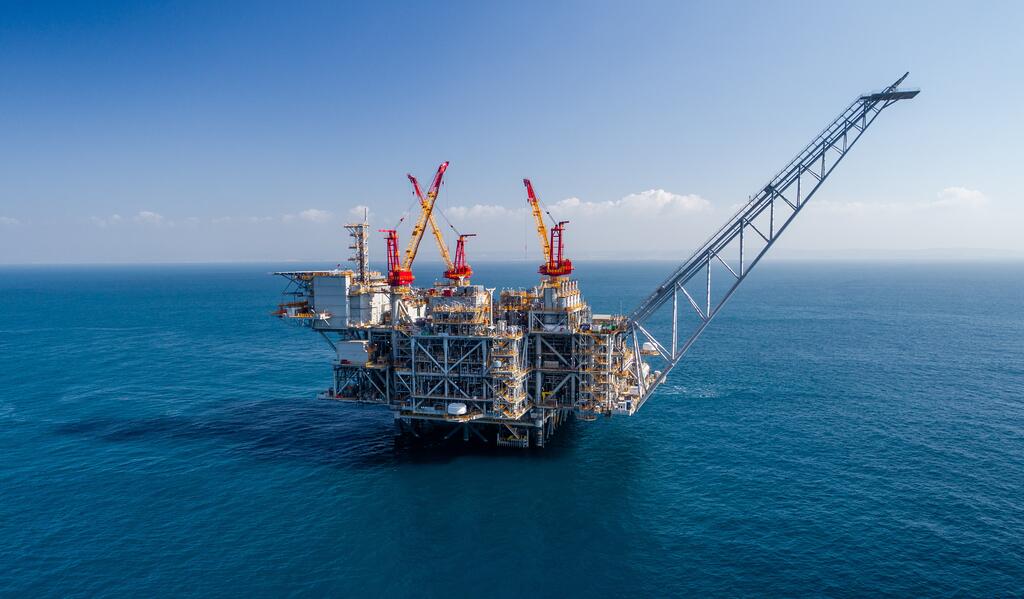
The decision followed mounting pressure in recent days from gas companies and from countries that rely on Israeli gas supplies.
According to industry officials familiar with the discussions, military representatives told Energy Ministry officials and defense authorities that protecting all three offshore platforms — Tamar, Karish and Leviathan — remained difficult, forcing the government to decide whether to reopen Leviathan or Karish first.
In a statement, the ministry said that “in accordance with situation assessments and consideration of all relevant factors, it was decided at this stage to return the Leviathan platform to operation.”
But industry officials said there had been no major change in the underlying security considerations, raising questions about why Leviathan alone was cleared to reopen while Karish remained shut. They said a broader plan was needed to restore full operations at all platforms while ensuring continuity in Israel’s energy system.
Those officials noted that Karish, which they said supplies about half of Israel’s domestic gas consumption, remains the only major national infrastructure asset still offline since the start of the war. They argued that leaving it closed could run counter to Israel’s own economic interests and eventually raise costs for local consumers.
Energean, which operates Karish, has already warned this week the suspension is delaying projects and costing it about $10 million a month in standby expenses.
The ministry said domestic natural gas supply was continuing. But energy specialists have said in recent days that Tamar alone cannot fully meet Israel’s electricity needs, forcing greater use of alternative fuels that are costlier and more polluting.
During a similar shutdown last year, Tamar was left to cover domestic demand while exports and other production were curtailed.
At the start of the war on Feb. 28, Israel ordered the shutdown of Leviathan and Karish as a security precaution, while Tamar remained open. Leviathan’s closure halted a major part of Israel’s gas exports, with Egypt and Jordan among the main buyers of its output.
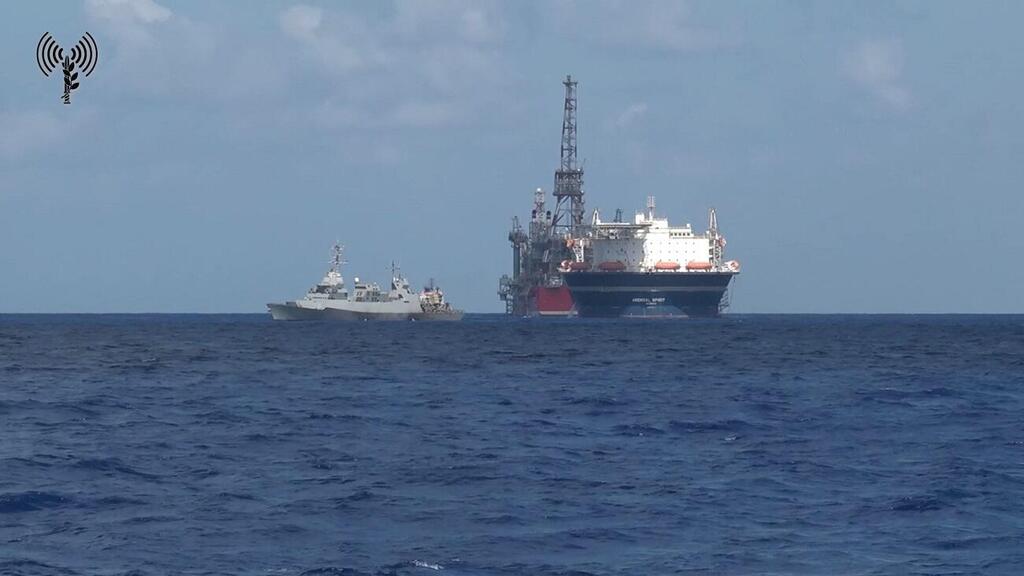
The Karish gas platform
(Photo: IDF)
According to a report by consulting firm BDO, the shutdown of two of Israel’s three gas fields since the start of the war has already exacted a heavy cost on the economy, with total losses estimated at about 1.5 billion shekels, or roughly $470 million, in the first four weeks alone.
Most of the damage stems from an approximately 22% increase in electricity generation costs, driven by greater reliance on more expensive fuels such as coal and diesel. The report also pointed to an estimated 400 million shekels in lost state revenue and roughly 500 million shekels in lost national output.
Beyond the domestic impact, the report said the halt in exports from Israel was also contributing to tighter global natural gas supplies and continued price increases on international markets.
At the start of the war on Feb. 28, Israel ordered the shutdown of Leviathan and Karish as a security precaution, while Tamar remained open. Leviathan’s closure halted a major part of Israel’s gas exports, with Egypt and Jordan among the main buyers of its output.
Energean welcomes the resumption of operations at the Leviathan platform and the indication that risk assessments now support increased offshore production. The Company remains in close engagement with the Ministry of Energy and security authorities regarding the status of Karish.
While operational decisions are shaped by assetspecific security considerations, Karish remains a critical component of Israel’s energy system, supplying a significant share of domestic demand. Energean expects that, as conditions permit, actions will be taken soon to enable the prompt and safe return of Karish to production.
First published: 22:48, 04.02.26