

A group of Israel’s leading broadcasters and production companies filed a lawsuit in Tel Aviv District Court against TikTok Israel and its global parent company, seeking 2.6 million shekels (roughly $670,000) in damages over alleged copyright infringement.
The lawsuit was filed Sunday by ZIRA (The Israeli Internet Anti-Piracy Organization), which represents top media entities including YES, HOT, Keshet, Charlton and Sport Channel. According to the plaintiffs, TikTok has effectively become a competing content platform that enables widespread unauthorized use of copyrighted material.
Filed by attorneys Eran Presenti and Yael Litwin from the Firon law firm, the lawsuit accuses TikTok of allowing users to illegally upload, share and distribute protected audiovisual content — without permission from the rights holders.
“The defendants operate a vast public platform that facilitates large-scale copyright infringement,” the plaintiffs wrote, alleging that TikTok even allows advertisements for pirated television services. They claim TikTok ignores most violations unless directly reported, and even then allegedly removes infringing content only “slowly and inconsistently.”
The plaintiffs further argue that TikTok is aware of the ongoing violations but has failed to implement effective monitoring or prevention tools, despite having the technical capacity to do so.
The lawsuit notes that, as of September 2025, TikTok has approximately 1.59 billion monthly active users worldwide, with millions in Israel who access the platform freely and without restriction. It claims that TikTok’s massive revenues grow in direct correlation with the increase in user-generated content — some of which allegedly includes protected material belonging to the plaintiffs.
“Originally, TikTok was a platform for sharing user-created short videos,” the lawsuit states. “But over time, it has become a hub for uploading unoriginal content. For example, users divide full episodes of TV shows into several short clips to bypass length restrictions, effectively making entire episodes—and even full seasons—freely available to the public.”
The plaintiffs claim this growing trend of pirated content consumption is causing escalating damage to copyright holders.
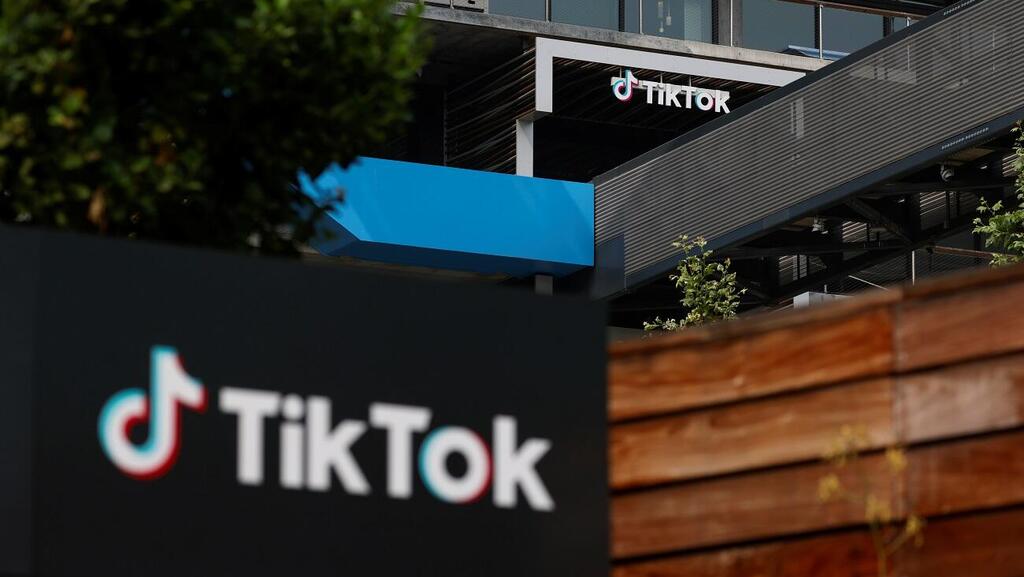
TikTok headquarters
(Photo: Reuters)
The lawsuit also accuses TikTok of allowing widespread unauthorized uploads of sports content owned by some of the plaintiffs, alleging that such videos have gained massive popularity on the platform without restriction.
According to the plaintiffs, TikTok profits directly or indirectly from this infringing content, including through ads for illegal streaming services. They argue that the platform alone possesses the technological resources — well within its financial reach — to implement advanced algorithms to monitor, filter and remove such content. The suit notes that TikTok already uses such technology to block pornographic, hateful or otherwise policy-violating material.
The plaintiffs claim TikTok knowingly ignores infringing activity and that its “notice and takedown” mechanism is slow and ineffective. Even after formal takedown requests, they allege, it can take weeks for content to be removed — if at all. The lawsuit further states that TikTok facilitates illegal services such as marketing for pirated television platforms.
“TikTok allows users to freely upload a vast range of content, including materials that violate copyrights — such as original Israeli productions owned by the plaintiffs, which support the livelihoods of thousands of creators,” the complaint reads.
(Photo: AP)
In addition to financial damages, the plaintiffs are seeking a permanent injunction to remove infringing content, a court order requiring TikTok to prevent future uploads of protected material, and an accounting of all infringing content uploaded to the platform, including viewing data and estimated financial value. As of now, TikTok has not filed a response to the lawsuit.
In a statement, ZIRA said: “We expect digital giants to take responsibility for the content shared on their platforms — not as a confrontation, but as a necessary partnership to protect local creators and their work. Our role is to stop the growing harm to Israel’s content industry and ensure creators can continue to work, innovate and earn a living.”
TikTok, in its response, stated: “We are unable to comment on ongoing legal proceedings.”