

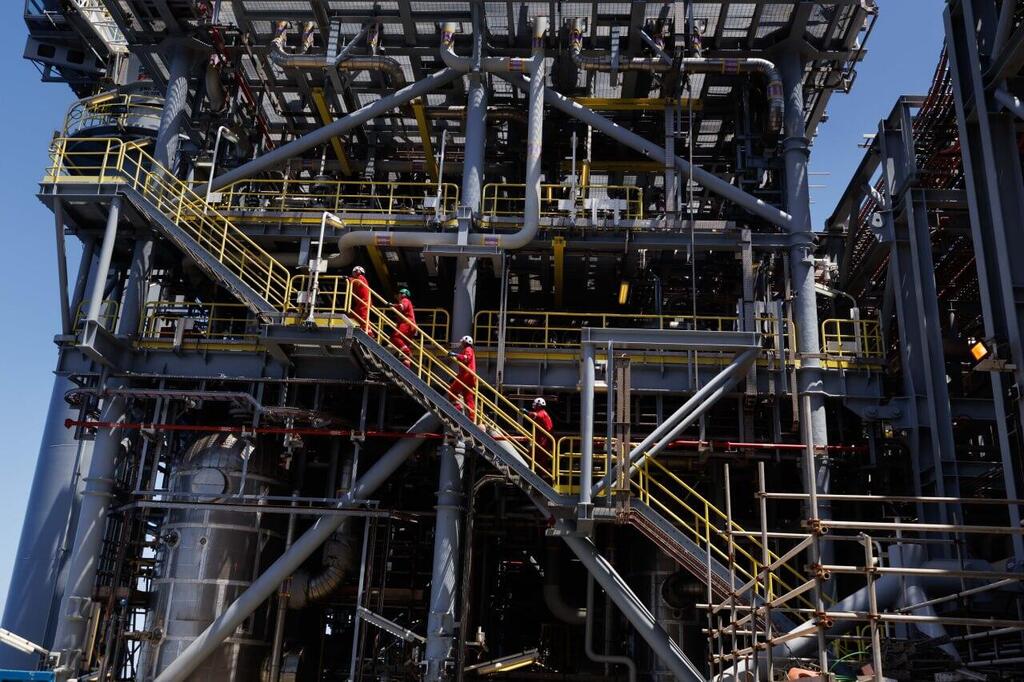
In the heart of the Mediterranean stands one of Israel’s most strategic and heavily protected facilities. From a distance, the Karish gas field appears to be a massive industrial structure at sea, but in reality, it is a critical energy infrastructure asset that has also become a highly sensitive security site in recent years.
The gas extracted from the field is transported to shore and used by power stations across Israel, where it is converted into electricity and fed into the national grid, supplying homes, hospitals, factories, transportation systems and other essential sectors. The field currently provides about 40% of Israel’s natural gas demand. Behind this process is a complex engineering and operational system that runs continuously, linking an offshore gas reservoir to the country’s entire energy network.
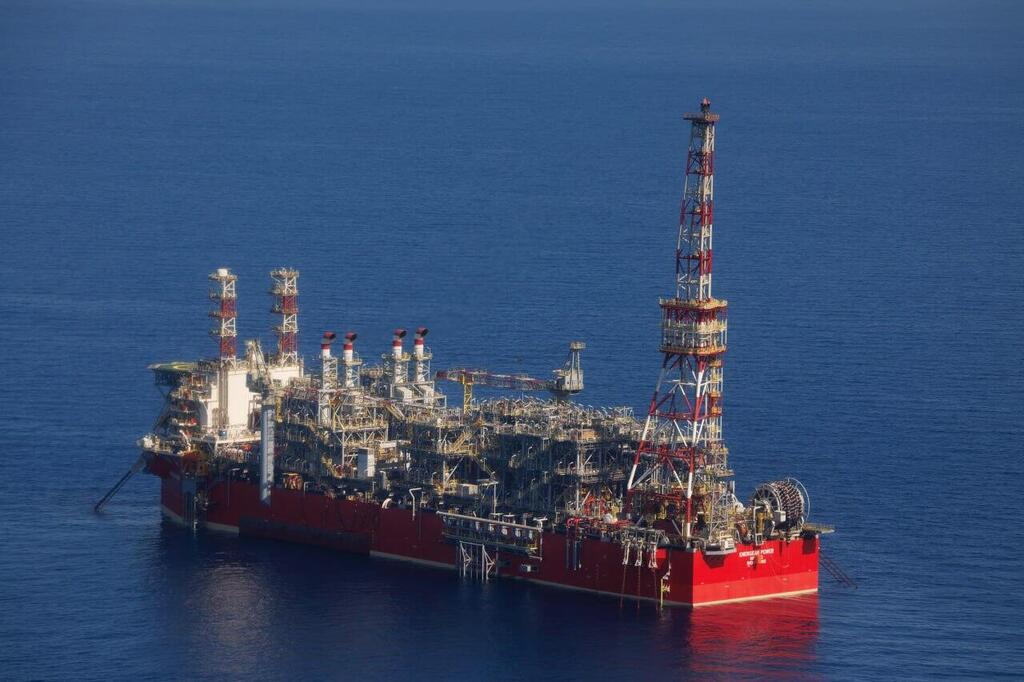
The field operates 24 hours a day, seven days a week, and is staffed by dozens of workers on rotating shifts. The workforce includes both Israeli employees and foreign personnel from various countries, who remain on the field for fixed rotations of roughly two weeks to a month before being replaced throughout the year.
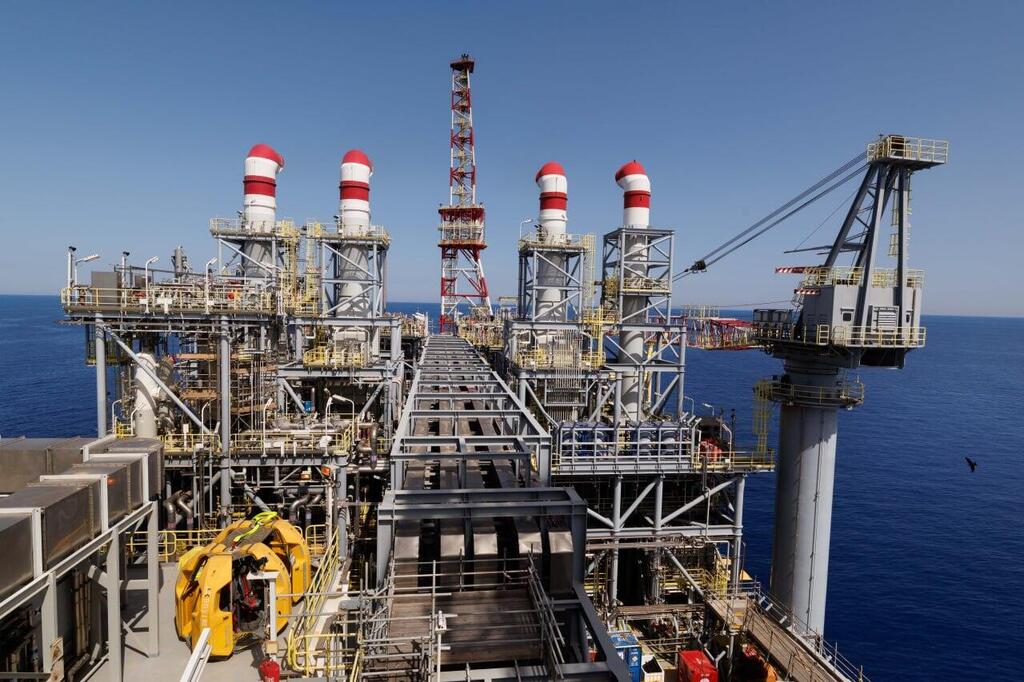
The rig operates 24 hours a day, seven days a week, and is staffed by dozens of workers on rotating shifts
(Photo: Ziv Koren)
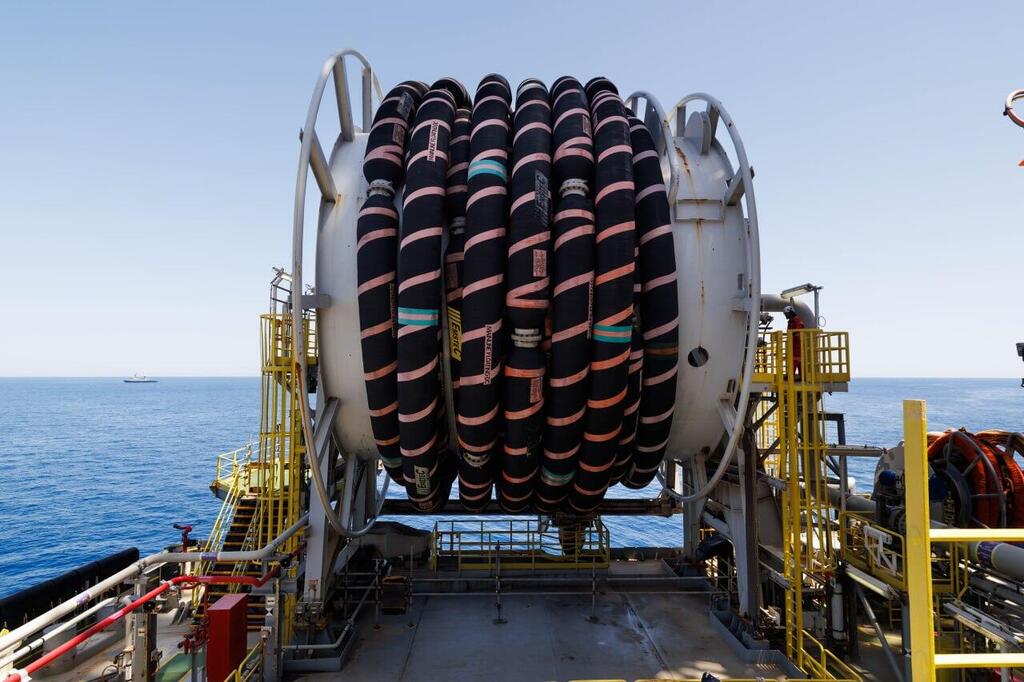
Drain pipe
(Photo: Ziv Koren)
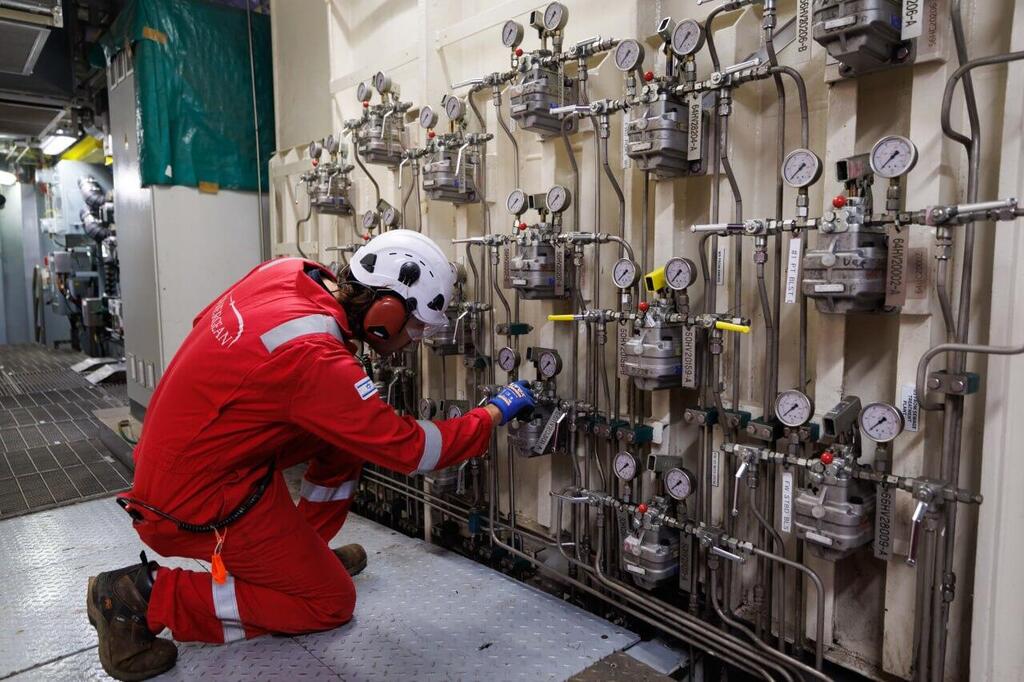
Life and work on the rig are conducted entirely separate from the mainland
(Photo: Ziv Koren)
Life and work on the field are conducted entirely separate from the mainland. Access is by helicopter only, with aircraft landing on a helipad approximately 33 meters (108 feet) above sea level. All air traffic is managed under strict procedures and overseen by a dedicated team responsible for coordinating flights and transporting personnel to and from the facility.
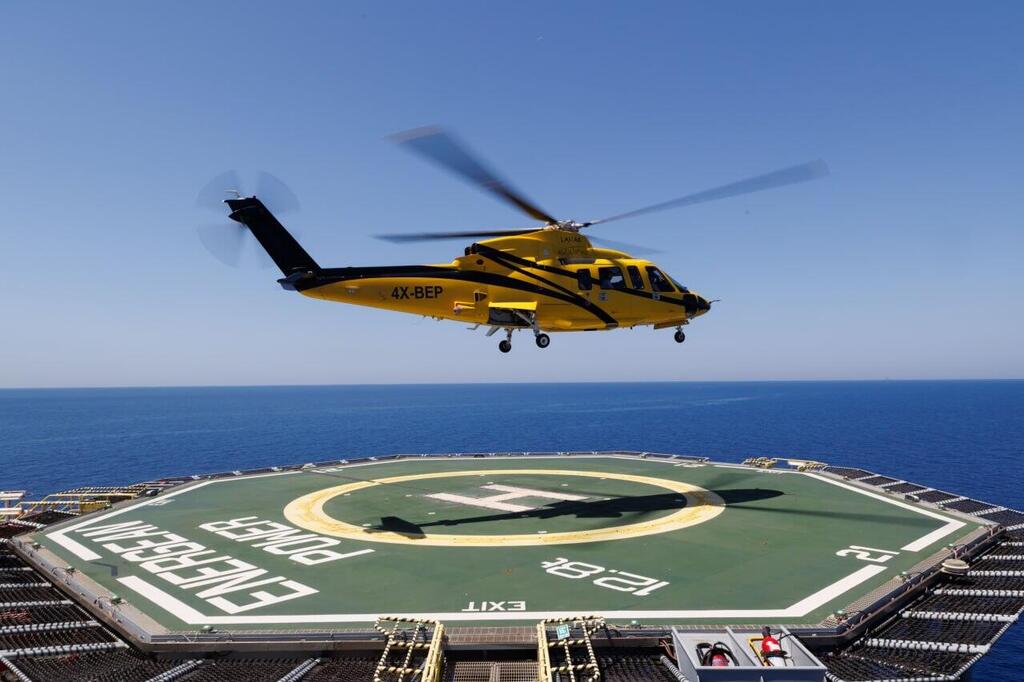
Access is by helicopter only, with aircraft landing on a helipad approximately 33 meters (108 feet) above sea level
(Photo: Ziv Koren)
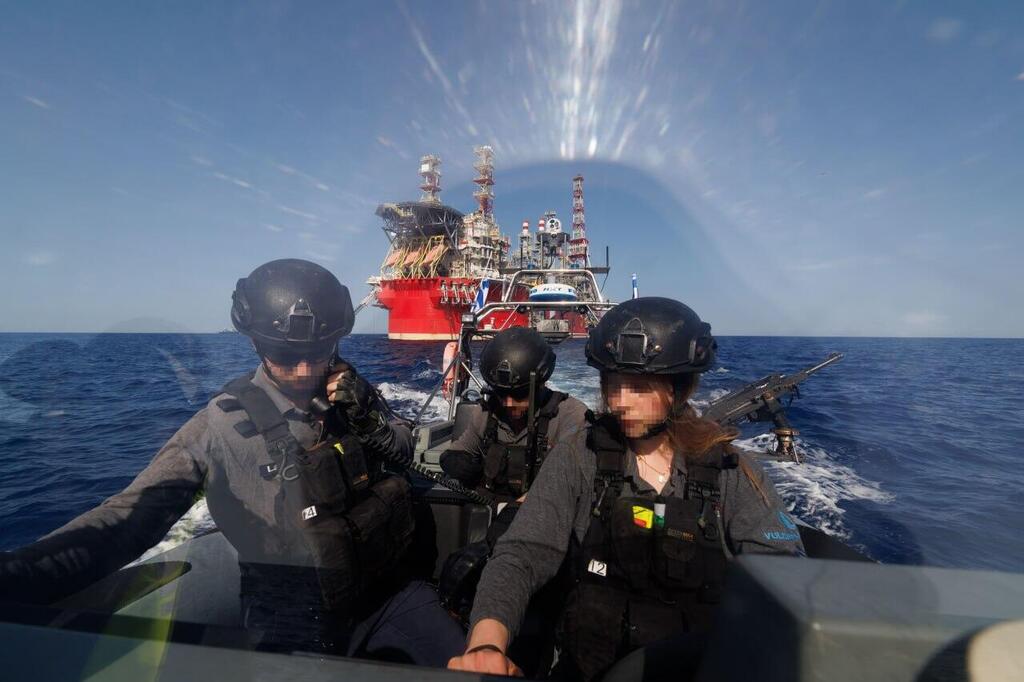
All air traffic is managed under strict procedures and overseen
(Photo: Ziv Koren)
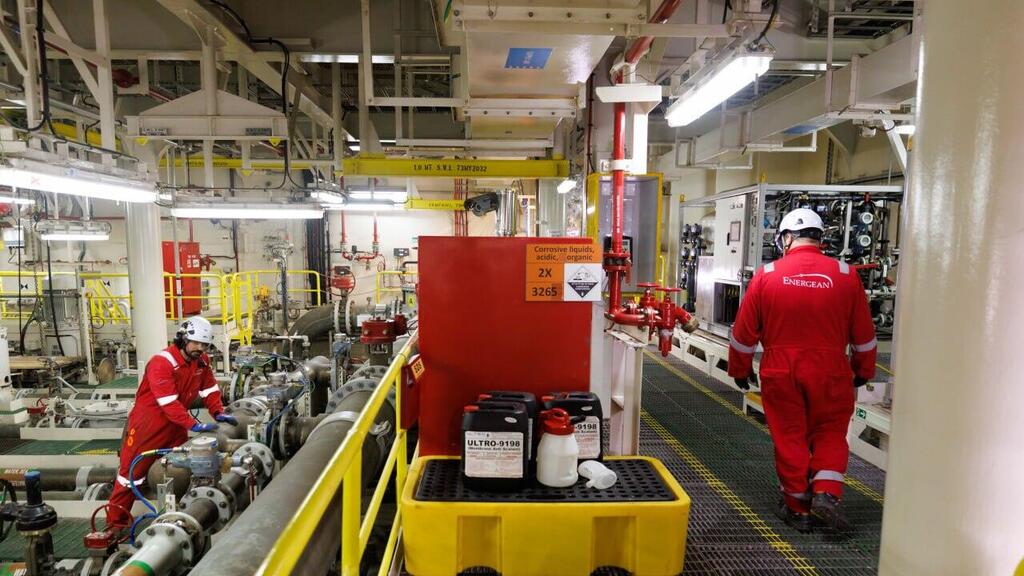
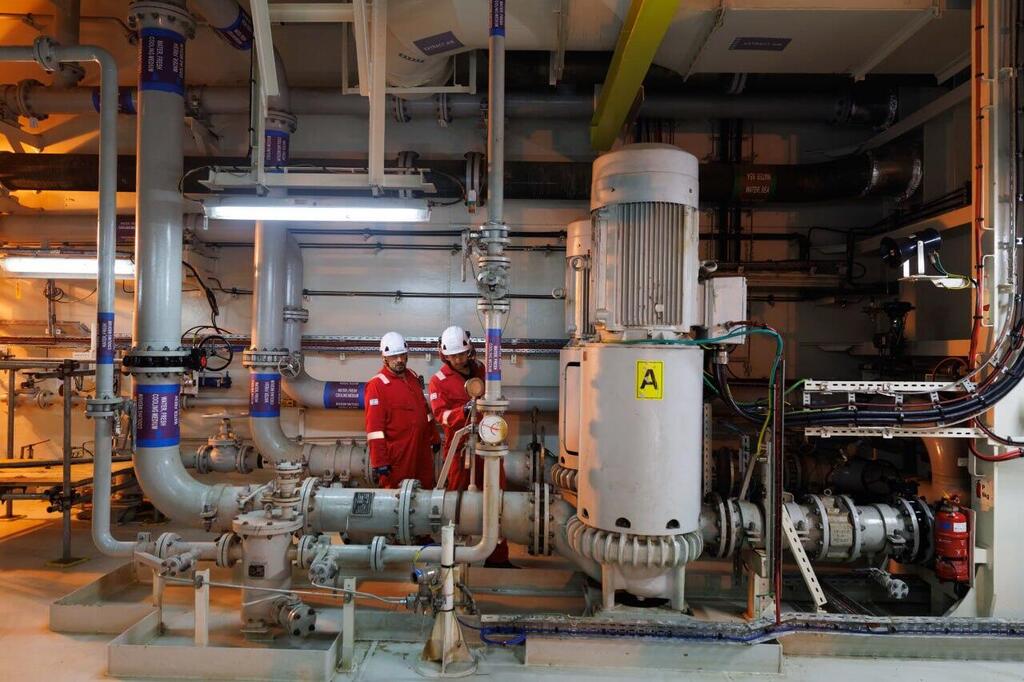
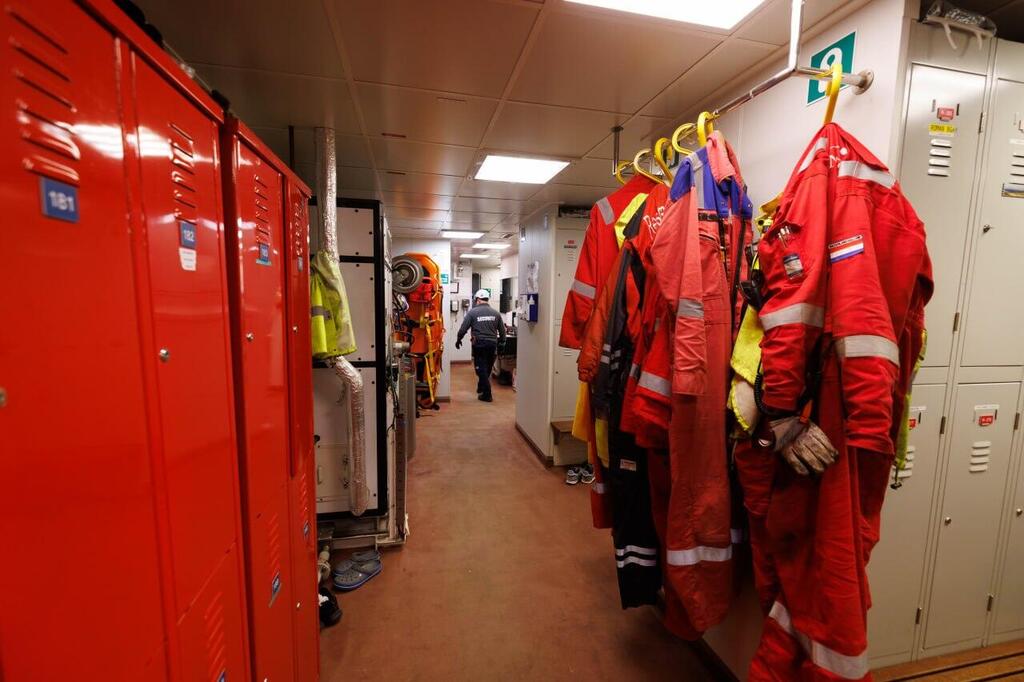
Inside the field, industrial operations continue without interruption, including the operation of production systems, constant process monitoring and control rooms staffed around the clock. It is a relatively closed and isolated working environment, where any malfunction requires an immediate response because of its potential impact on Israel’s energy supply.
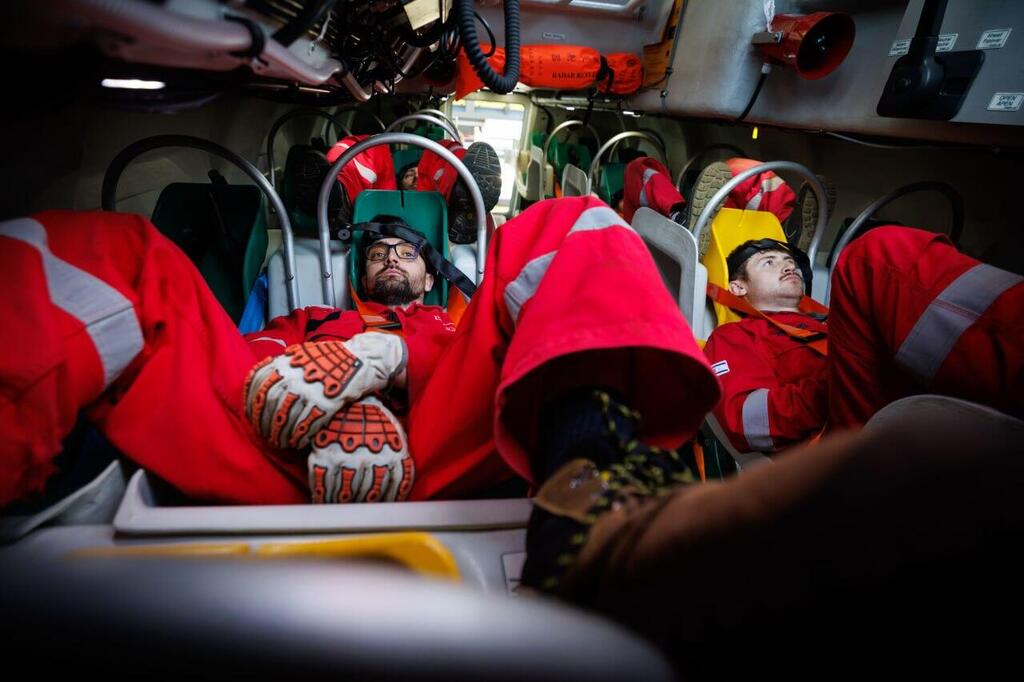
Inside the platform, industrial operations continue without interruption
(Photo: Ziv Koren)
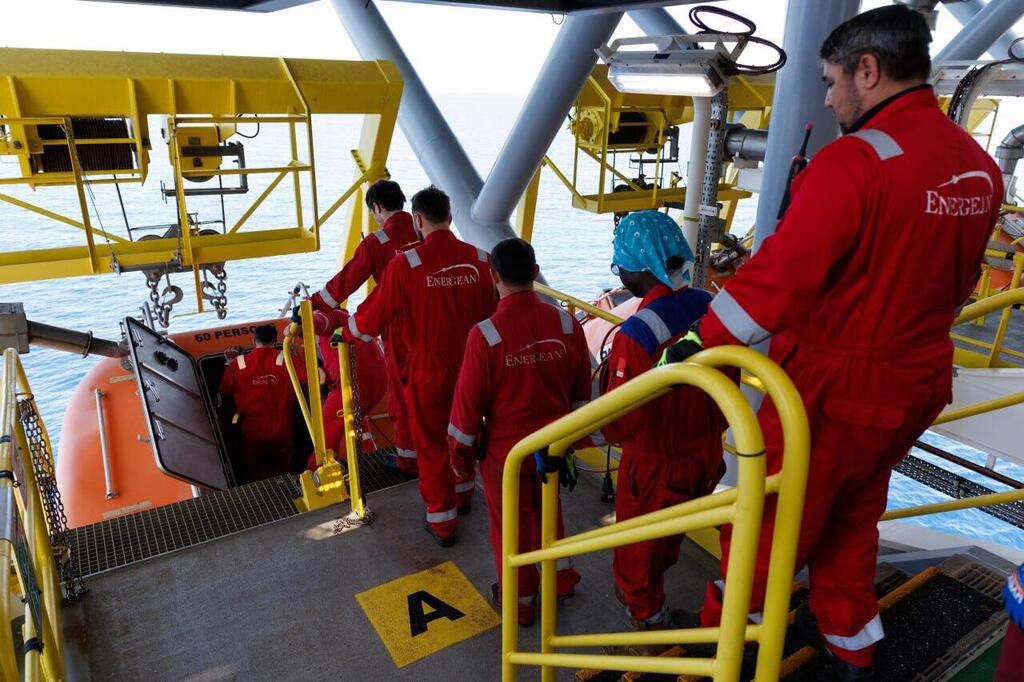
A relatively closed and isolated working environment
(Photo: Ziv Koren)
Any malfunction requires an immediate response
(Photo: Ziv Koren)
(Photo: Ziv Koren)
Alongside daily operations, a dedicated security layer is maintained under the principle that energy facilities of this kind are strategic national assets. The Israeli Navy is responsible for maritime and perimeter security, deploying vessels, detection systems and operational forces around the field. A permanent security team also operates on the facility itself. The combination of external defenses and an internal security presence is designed to address a wide range of threats and ensure the uninterrupted operation of infrastructure critical to Israel’s economy.
The Karish field is an FPSO (Floating Production, Storage and Offloading) vessel measuring approximately 220 meters (722 feet) in length and weighing about 94,000 tons. It is anchored to the seabed by 14 massive moorings and connected to the mainland by a roughly 90-kilometer (56-mile) subsea pipeline through which gas is delivered into Israel’s national energy system. Since beginning operations in October 2022, Karish has become one of the pillars of Israel’s energy supply.
Alongside daily operations, a dedicated security layer is maintained
(Photo: Ziv Koren)
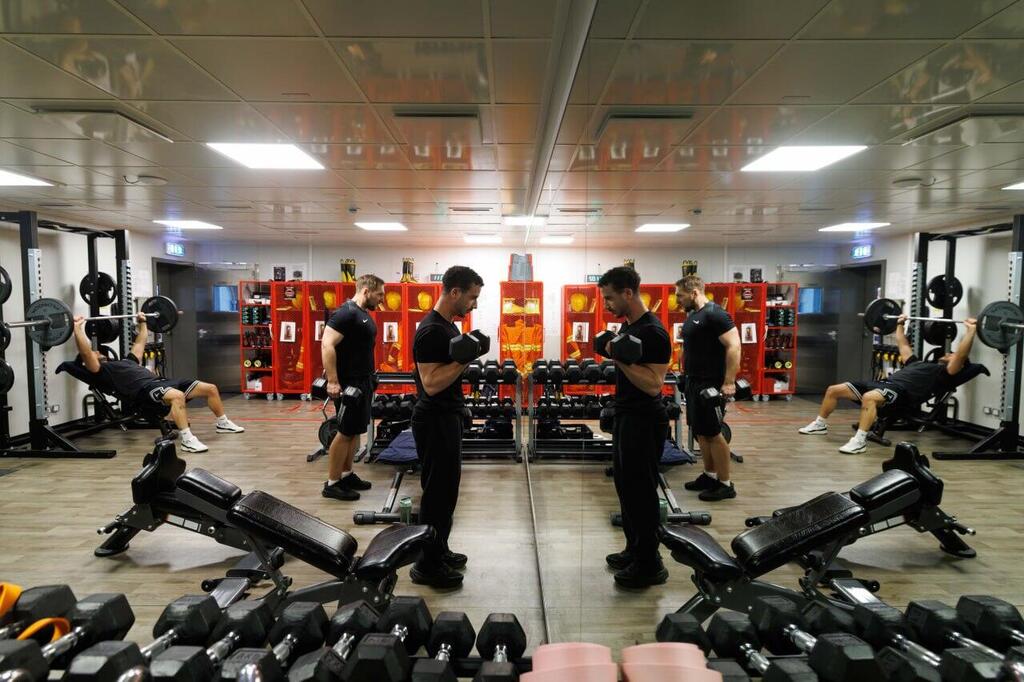
The floating gym
(Photo: Ziv Koren)
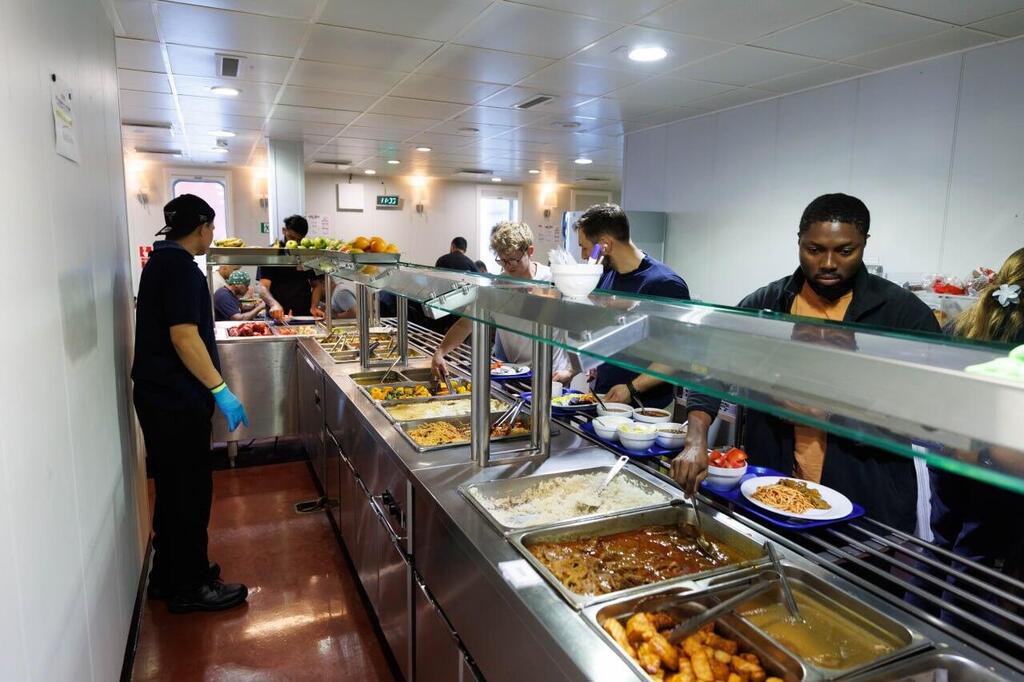
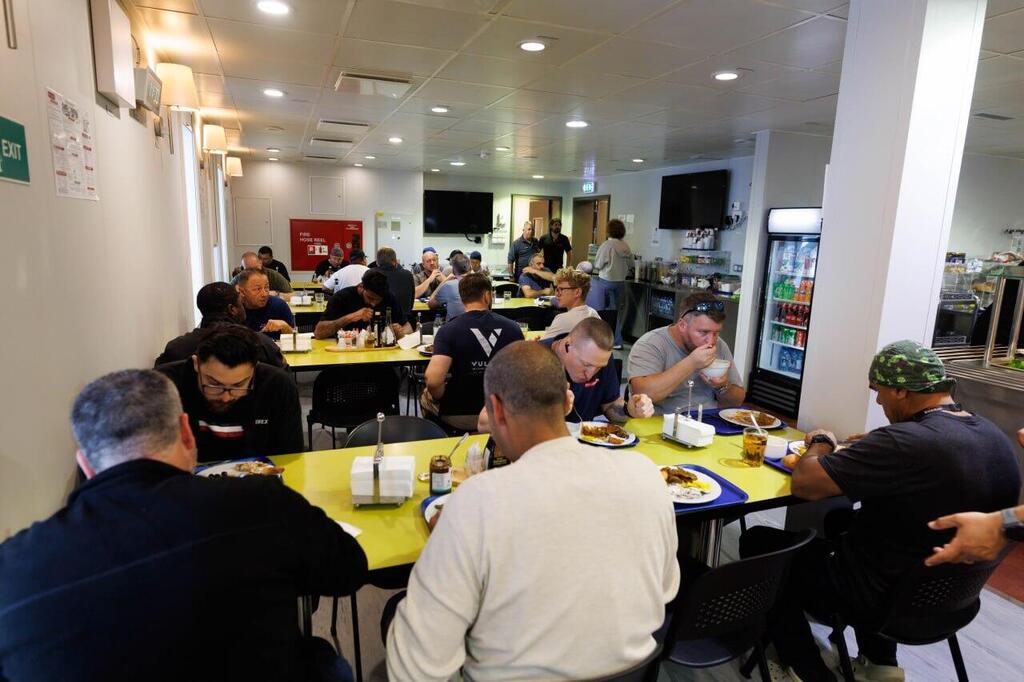
The dining room
(Photo: Ziv Koren)
(Photo: Ziv Koren)
The combination of external defenses and an internal security presence is designed to address a wide range of threats
(Photo: Ziv Koren)
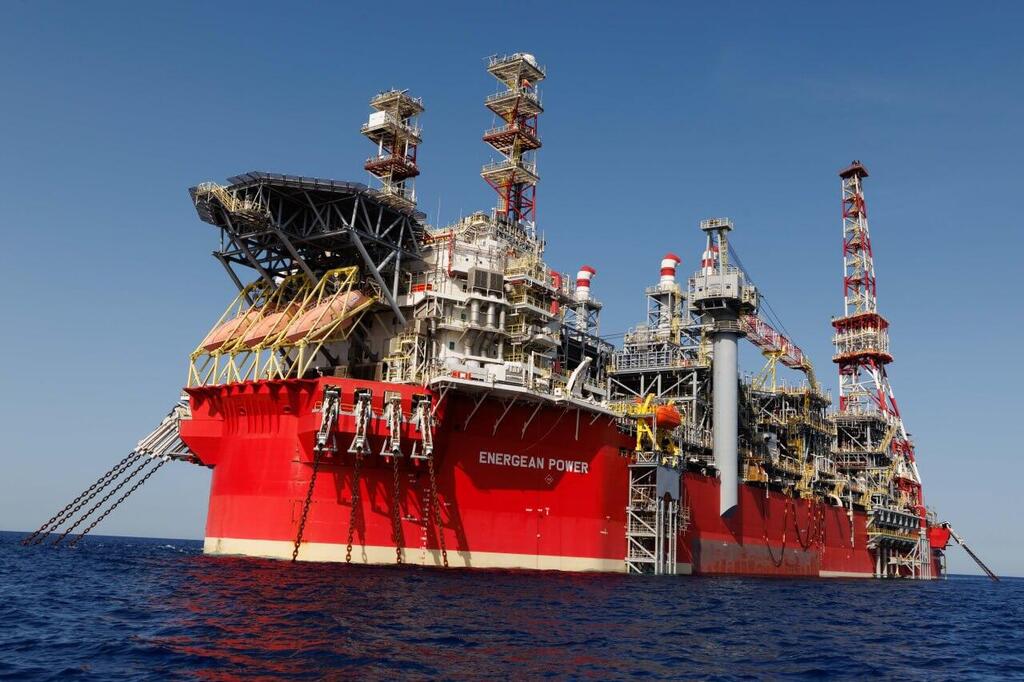
The Karish rig reflects a reality in which energy production, industrial operations and national security intersect in a single highly sensitive environment
(Photo: Ziv Koren)
During the Iran war, authorities made the unusual decision to suspend the field's operations for approximately six weeks due to concerns over potential attacks on offshore energy infrastructure. The shutdown was ordered by the Energy Ministry on the recommendation of the security establishment and had direct implications for the continuity of gas supplies to the Israeli economy.
The Karish field reflects a reality in which energy production, industrial operations and national security intersect in a single highly sensitive environment. Deep at sea and largely out of public sight, an extensive system works around the clock under persistent security threats to help meet Israel’s energy needs.