

A home with an ocean view is usually a luxury. A home where the ocean view changes every morning is something else entirely.
That is the promise behind a new wave of residential cruise projects trying to turn ships into floating neighborhoods, where passengers are not simply booking a vacation but buying, leasing or reserving a place to live at sea. The idea is not new, and the graveyard of failed attempts is already long. But developers and operators are again betting that wealthy travelers, adventurous retirees and remote workers may be ready for a life without a fixed address.
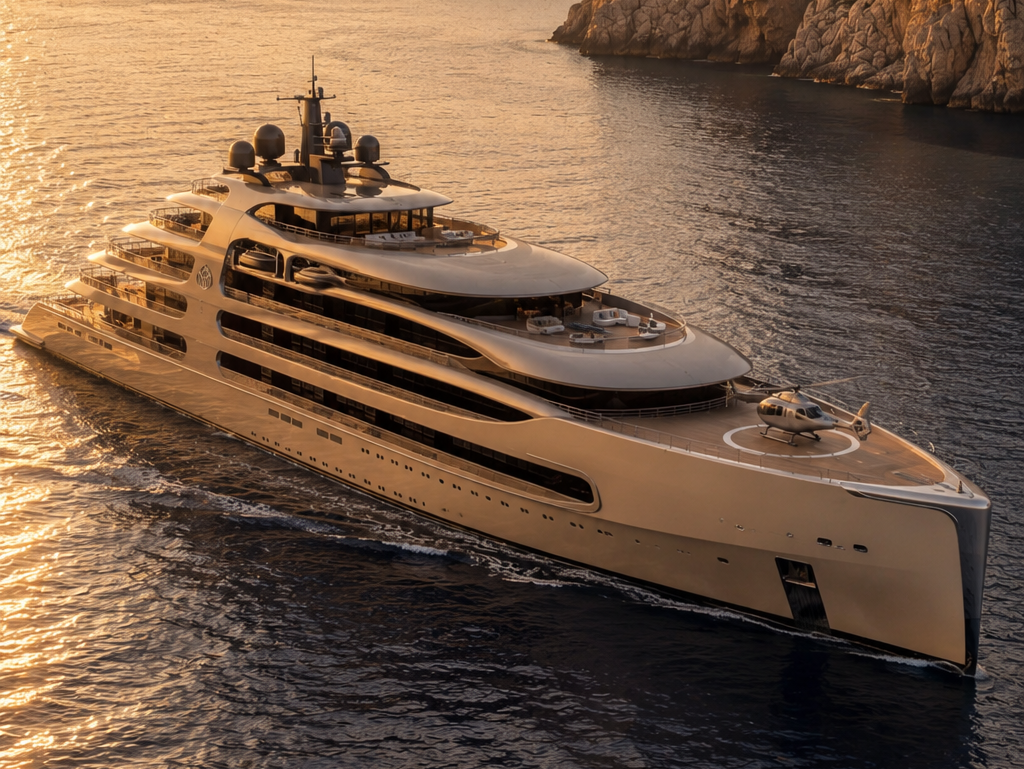
According to a Financial Times report, several companies are now trying to revive the dream of permanent life at sea, with offerings that range from relatively modest cabins costing under $100,000 to luxury residences priced in the millions. The most expensive versions promise private apartments, restaurants, wellness centers, medical services and a constantly changing itinerary across the globe.
The fantasy is easy to understand. Instead of maintaining a house, booking flights and packing for each trip, residents would wake up in a new country every few days or weeks. Meals, housekeeping, entertainment and transportation would be built into the lifestyle. For some buyers, especially retirees, the pitch sounds less like a cruise and more like a full-service retirement plan with a passport.
But the reality has often been far more complicated.
One of the few residential ships already operating is Villa Vie Odyssey, a converted cruise ship built in 1993 and acquired by Villa Vie Residences. The vessel is designed around a long-term world cruise model, with residents able to buy cabins and live onboard as the ship travels between hundreds of destinations.
Its launch, however, showed just how difficult the model can be. The ship was delayed for months in Belfast because of repair, certification and paperwork issues before finally leaving in 2024. Passengers who had expected to begin a years-long voyage instead spent months waiting, with some allowed onboard during the day but unable to sleep there overnight during parts of the delay.
The company’s concept remains one of the more affordable versions of the floating-home dream. Cabin prices have been advertised from about $100,000, with additional monthly fees for services such as meals, housekeeping and internet. Compared with luxury residential ships, that is relatively low. Compared with ordinary retirement, it is still a major financial and lifestyle gamble.
At the other end of the market are projects aimed at the ultra-wealthy. Blue World Voyages has promoted a hybrid cruise and wellness model, with residences reportedly priced as high as $5 million. Ulyssia, another luxury residential vessel under development, is expected to offer large private homes at sea, with plans for a much more exclusive floating community.
The model has one famous precedent: The World, a private residential ship launched more than two decades ago. Its apartments are owned by residents, who travel the globe while living onboard part time or full time. But The World remains an exception rather than proof that the model is easy to copy. It serves a narrow group of extremely wealthy residents and has never become a mass-market template.
That has not stopped new companies from trying.
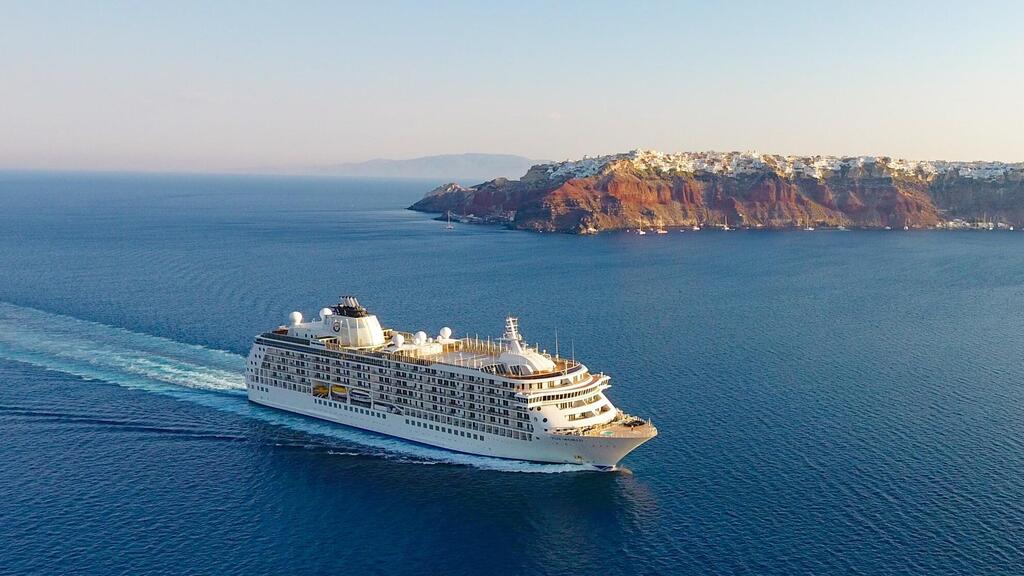
The World, a private residential ship
The renewed interest comes at a time when traditional retirement, luxury travel and remote work are all changing. Some older travelers want to keep moving rather than settle into one place. Some wealthy buyers are looking for privacy, service and access to the world without the burden of managing several homes. And some companies believe the pandemic-era shift toward remote work has made the idea of living anywhere feel more realistic.
Still, a floating neighborhood is not just a hotel with better marketing. Ships require constant maintenance, fuel, crew, port access, medical planning, insurance, food supply chains and regulatory approvals. Residents must also accept smaller living spaces, limited privacy, possible seasickness, changing weather and the social pressure of living with the same group of people for months or years.
There is also the question of what buyers are really purchasing. Some projects sell cabins outright, while others offer long-term leases, memberships or fractional ownership. Monthly fees can add thousands of dollars, and additional expenses such as health insurance, shore excursions and emergency travel can quickly change the cost calculation.
For developers, the challenge is even larger. Building a new residential ship or converting an old cruise vessel requires enormous capital before a single resident moves in. Previous projects have stalled because of financing problems, changing market conditions, investor pullouts or unrealistic timelines. The dream is easy to render in glossy images. It is much harder to launch, staff, insure and keep moving.
That tension is exactly what makes the idea so compelling. The residential cruise industry sells freedom, but depends on some of the most complex logistics in the travel world. It promises a simpler life, but only after buyers accept a complicated financial commitment. It offers the romance of the open sea, but the practical questions are closer to real estate, shipping and retirement planning than to vacation planning.
For now, the future of permanent life at sea remains uncertain. Villa Vie Odyssey has shown that a more affordable version can leave port, even after painful delays. Luxury projects such as Blue World Voyages and Ulyssia suggest there is still appetite for grander versions of the idea. And The World proves that, for a small group of wealthy residents, a floating address can actually work.
But the broader question remains open: Are these ships the next chapter in luxury travel, or just another beautiful dream that looks better in renderings than it does in rough water?