

No other American automaker has gone through quite as many cycles of greatness, collapse, last-minute rescue, mergers, breakups and yet more mergers as Chrysler.
For younger drivers in Israel, the name may barely register. For decades, Chrysler has drifted between selling a single, rather anonymous minivan here and disappearing from the market altogether. And amid the flood of Chinese brands now challenging the old automotive establishment, Chrysler can feel like a relic from another era.
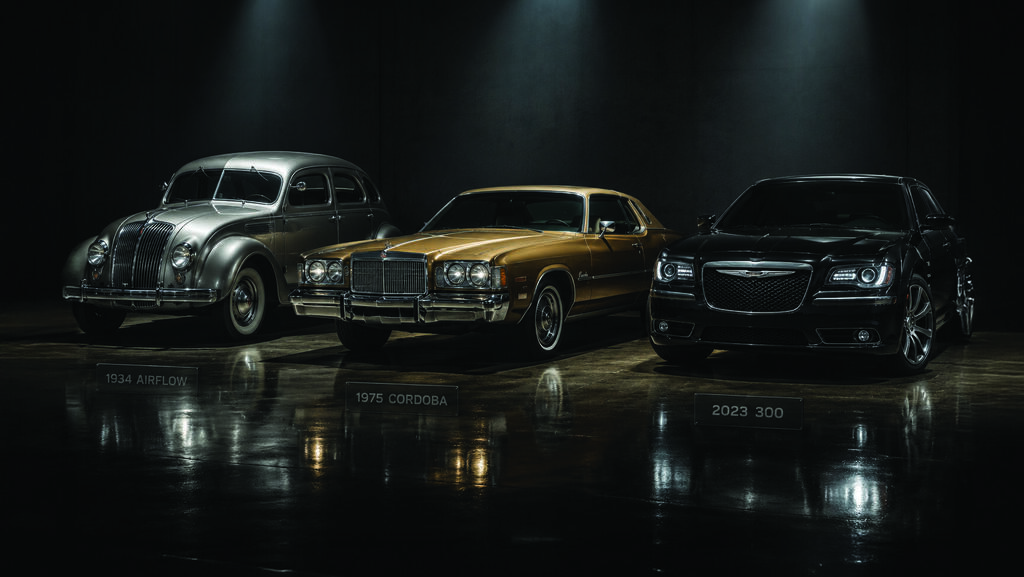
Older generations remember something very different: the glory years of the 1950s, 1960s and early 1970s, when Detroit led the global auto industry with cars that were innovative, enormous and spectacular. Chrysler was one of the storied “Big Three,” alongside General Motors and Ford.
The company itself was built on the remains of an older manufacturer by one of the most successful and respected industrialists of his era, a man who had entered the automotive business almost by accident after beginning his career in the railroad industry that the automobile would eventually help displace.
The railroad man
Walter P. Chrysler was born in 1875 in Wamego, Kansas, to a modest working-class family. His father held a prestigious job for the time as a locomotive engineer on the Kansas Pacific Railroad, and from an early age Walter was surrounded by the smells of oil, coal and steam.
His father tried to persuade him to pursue an education and acquire a more lucrative profession. Walter was interested in something else.
At 17, he began working as a machinist’s apprentice in the Union Pacific railroad shops, earning 10 cents an hour. With little formal education, he instead accumulated practical knowledge of how complicated machinery was built, repaired and kept running.
In other words, Chrysler had landed his childhood dream job. Years later, borrowing the spirit of poet Walt Whitman, he described his apprenticeship as a kind of “perfect marvel” that was impossible to describe, filling every hour of the day and night.
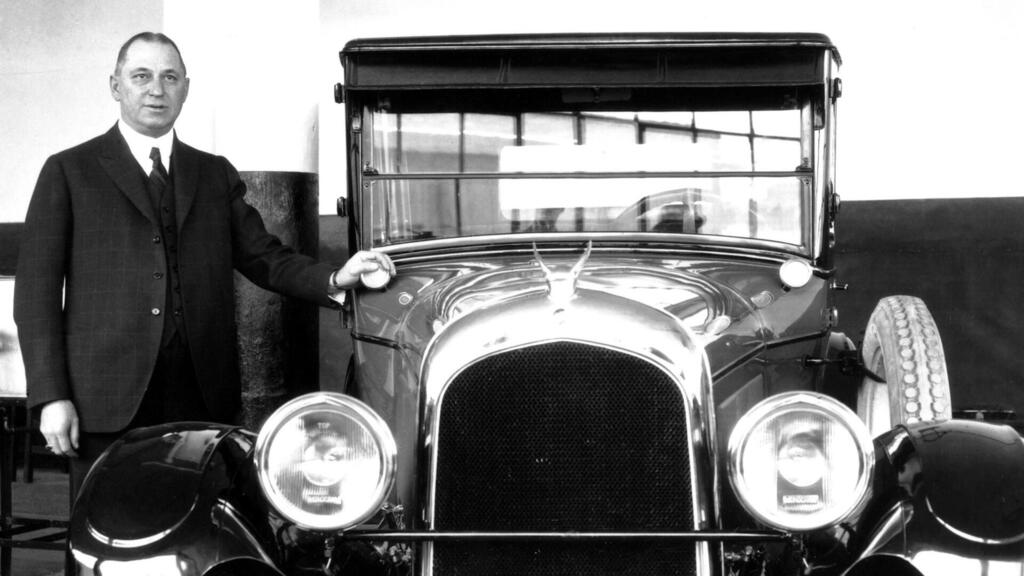
At 26, Chrysler married his childhood sweetheart, Della Forker. They would have four children. His natural mechanical ability and inventiveness helped him rise rapidly through the railroad industry. By the end of the first decade of the 20th century, he had reached a senior production-management position at a major American industrial company, earning what was then an extraordinary $8,000 a year, equivalent to roughly $320,000 in 2026 terms.
That salary allowed him to buy his first automobile, a Locomobile. The company had been founded in 1899 making steam-powered cars before switching to internal-combustion engines in 1904. Chrysler was captivated.
Before he even dared drive his new machine, he repeatedly dismantled it and put it back together simply to understand how it worked. There were, of course, no driving instructors or mandatory road tests waiting for him. You bought the car, took it apart and eventually drove it.
The meeting that changed everything
By 1911, Chrysler was earning about $12,000 a year and had every reason to remain comfortably near the top of the railroad industry. Then came a meeting with Charles Nash, president of General Motors.
GM had recently forced out its founder, William Durant, whose aggressive spending had alarmed investors. Nash was looking for a gifted industrial manager who could make the company more efficient, and offered Chrysler the job of running production at Buick, then a crucial part of GM. Buick’s manufacturing system was outdated and the company was struggling to compete with Ford and other rivals.
There was one obvious problem with the offer: Nash was asking Chrysler to work for roughly half his existing salary. Chrysler accepted anyway. He had become convinced that the automobile was about to transform American transportation and erode the railroad’s role as the country’s dominant means of travel.
The decision paid off for both Buick and Chrysler.
Drawing in part on the principles behind Ford’s moving assembly line, Chrysler introduced more efficient and modern production methods. Buick’s manufacturing capacity tripled and the brand returned to the front ranks of the American market.
Chrysler’s own rise was equally rapid. In 1915, Durant regained control of GM using the fortune he had built through Chevrolet and removed Nash. A year later, he appointed Chrysler president of Buick.
Personally, the two men got along. As managers, they were opposites. Durant was a visionary willing to spend heavily in pursuit of growth. Chrysler was more cautious, methodical and focused on efficiency.
The clash eventually came to a head in 1919, when Chrysler sought to outsource Buick body production to cut costs, reflecting the growing role of specialized coachbuilders. Durant wanted production kept inside the corporation. They argued. Chrysler quit.
From Willys and Maxwell to Chrysler
A man with Walter Chrysler’s reputation did not stay unemployed for long. Within a year, two struggling automakers had sought his help: Willys-Overland, the company associated with the development of the military Jeep, and Maxwell, a once-prominent manufacturer that would soon disappear altogether.
Chrysler brought with him three respected engineers: Fred Zeder, Owen Skelton and Carl Breer. Together, they began developing a modern automobile that would carry Chrysler’s name while initially being sold under Maxwell.
The result was the Chrysler Six, known internally as the B-70 because it could reach an impressive 70 miles per hour, or about 113 kilometers per hour. It featured a modern six-cylinder engine and hydraulic brakes on all four wheels, a notable innovation at a time when such systems were far from universal.
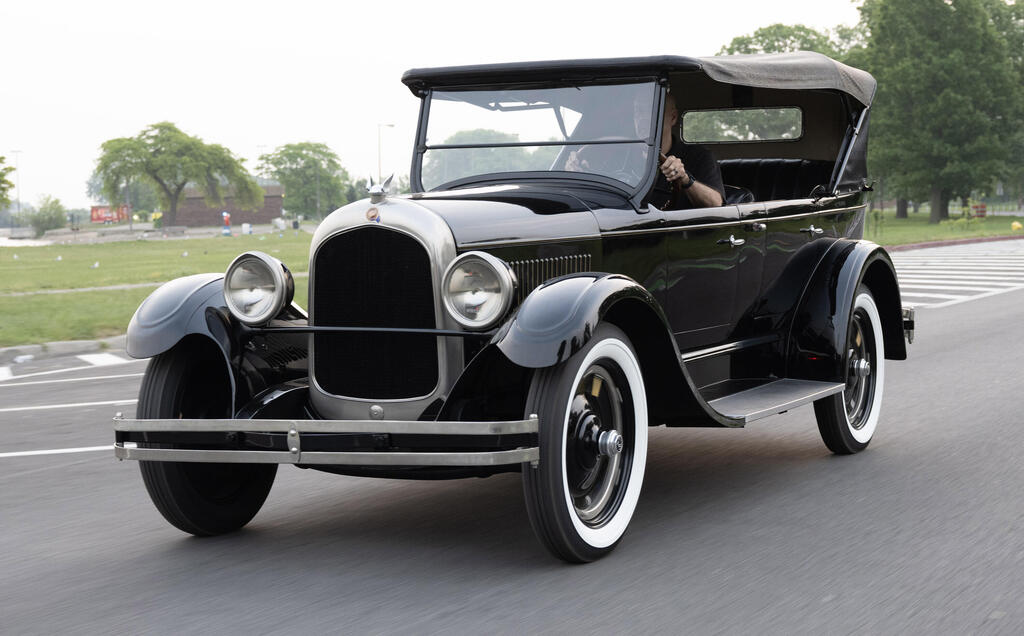
The car had been developed almost in secret from parts of Maxwell’s management and was unveiled at the 1924 New York auto show. With relatively modern styling, a low profile, strong performance and a price of about $2,000, less than half the cost of Chrysler’s earlier Locomobile, it became an immediate sensation.
About 32,000 were sold in its first year. Some of that success came from engineering. Some came from luck. And some came from Walter Chrysler’s instinct for marketing.
Because the Chrysler Six was considered too new, organizers of the auto show refused to give it space on the main exhibition floor. Chrysler responded by renting display space at the Commodore Hotel, which agreed to open its doors a day before the main show began.
The car attracted enormous attention and enthusiastic crowds. The rest, quite literally, was history. The Six’s success gave Chrysler the means to take control of Maxwell. In June 1925, the company was reorganized under his name and Maxwell ceased to exist.
Engineering initially dominated the new company’s culture. Chrysler and his celebrated trio of engineers turned it into a manufacturer known for advanced technology and impressive build quality, even if its cars were often less flamboyant than those of older competitors. The philosophy was simple: engineering first, design second, if at all.
Customers responded. Walter Chrysler, however, wanted more. In 1928, he acquired Dodge Brothers in what was then the most expensive corporate transaction in U.S. history and turned it into Dodge. Later that year, he established Plymouth.
Chrysler now had a brand for almost every budget: Chrysler at the more sophisticated and upscale end, Plymouth for value-conscious buyers and Dodge positioned between them. Dodge also brought superior manufacturing capacity, allowing Chrysler to expand its model range and rapidly increase production.
The deal helped make Walter Chrysler himself phenomenally wealthy. With annual compensation reaching $1 million, close to $20 million in 2026 terms, he became one of the richest men in the world.
Then came another ambitious project. Construction began in 1928 on the Chrysler Building in New York, an Art Deco skyscraper that became the tallest building in the world for a brief period before being overtaken by the Empire State Building. Nearly a century later, it remains one of the defining monuments of the Manhattan skyline.
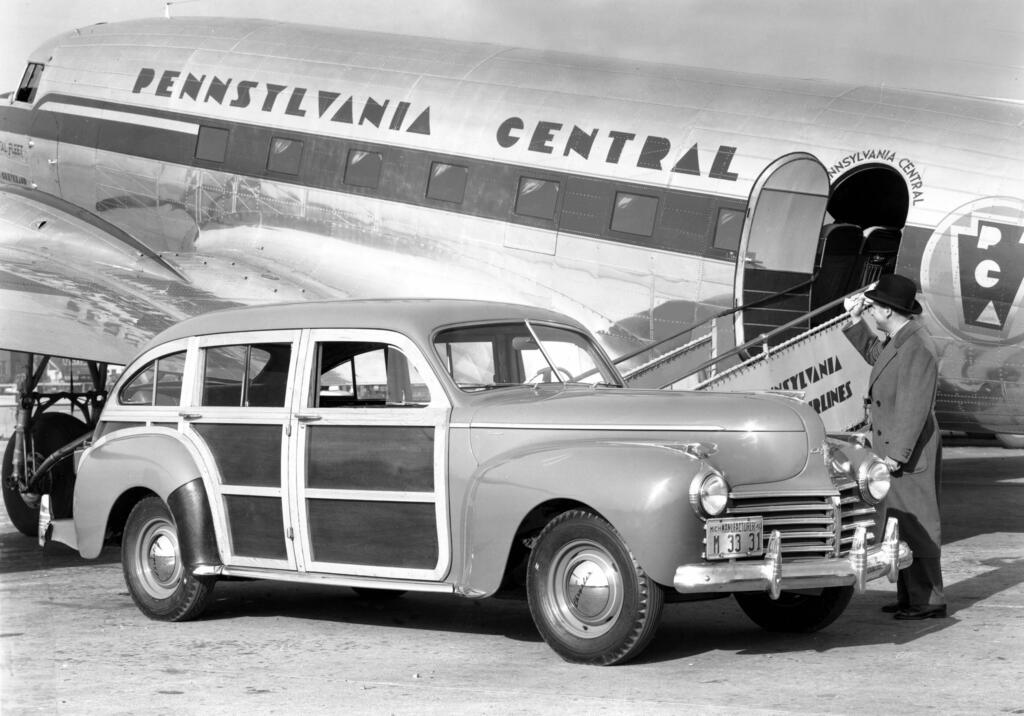
Back in Detroit, Chrysler’s multi-brand strategy was about to prove its value. The Wall Street collapse beginning in late 1929 wiped out the savings of millions of Americans, destroyed companies and devastated demand for luxury goods, including automobiles, which were still in the relatively early years of mass consumption.
Demand for more expensive Chrysler and Dodge models plunged. Plymouth, however, offered cheaper cars. Demand for them proved strong enough to help keep the company afloat through the Depression and into the industrial transformation that accompanied America’s entry into World War II.
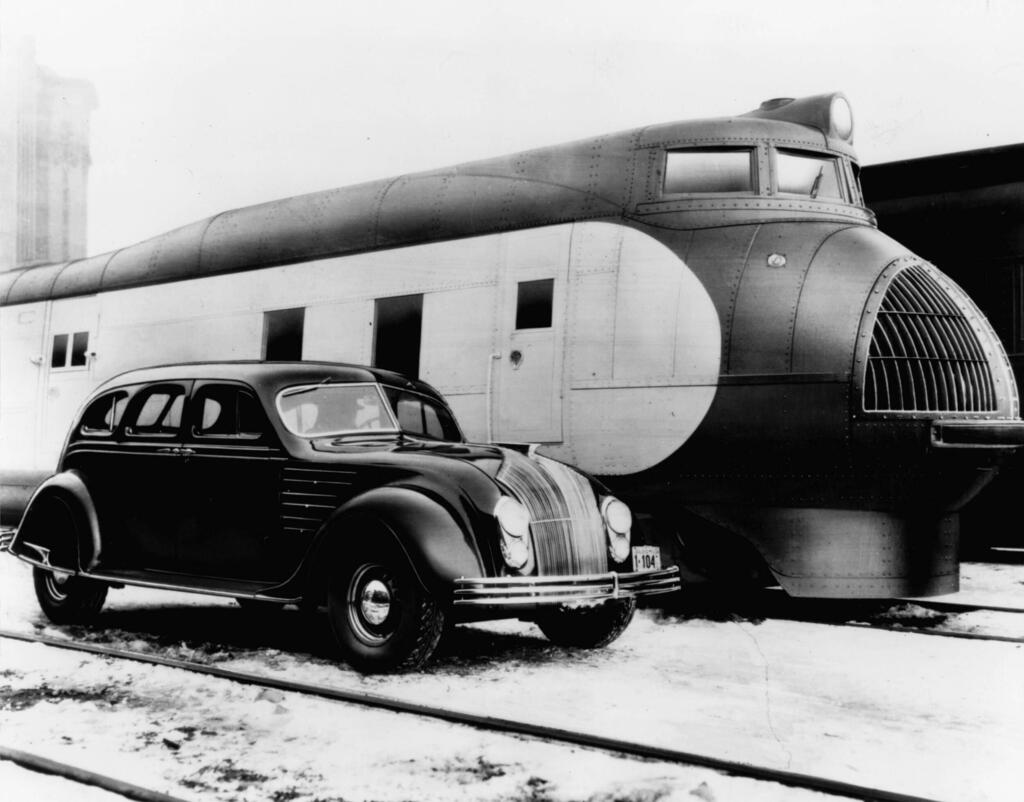
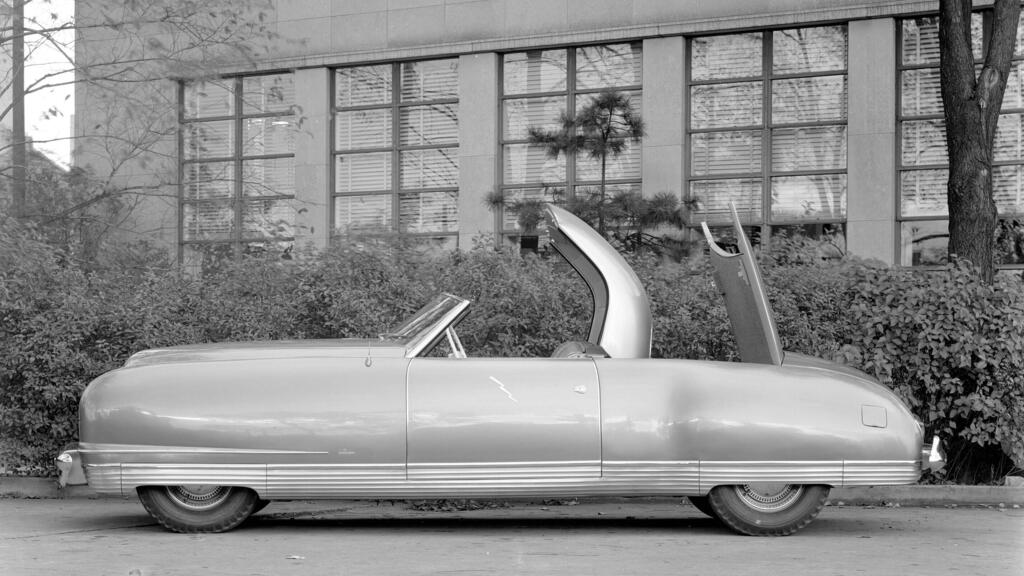
Walter Chrysler would not live to see the next great expansion of the company he created. One of the last major cars introduced during his leadership was also among the most radical Chrysler ever produced: the 1934 Airflow.
It was one of the first production cars designed with extensive use of a wind tunnel. Its aerodynamic, semi-unitized body looked dramatically different from the carriage-like bodies sitting on traditional ladder frames that dominated the era. It also featured unusually sophisticated weight distribution and other engineering advances.
Consumers were not convinced. Its unconventional appearance, combined with a high price in the depths of the Depression, turned the Airflow into a spectacular commercial failure.
In 1935, at just 60, Chrysler stepped away from day-to-day management and moved into an oversight role above the company president. The death of his wife in 1938 was followed by a severe stroke that further removed him from the automaker he had founded. He later suffered another stroke and died.
Unlike Henry Ford, whose descendants remained deeply involved in the auto industry, Chrysler’s children stayed away from car manufacturing, as did subsequent generations. In 2024, however, one of his great-grandsons sought support for separating Chrysler from Stellantis, the giant group created through the merger of Fiat Chrysler Automobiles and France’s PSA Group, and restoring it to fully American ownership. Stellantis rejected the effort.
From industrial empire back to the brink
The post-Walter Chrysler era began with World War II, when Chrysler, like much of American industry, shifted its enormous manufacturing capacity toward the war effort.
More than 22,000 tanks were built by the company, accounting for more than a third of those produced for the war, along with some 400,000 military trucks, weapons, engines and components for the U.S. military’s formidable B-29 bombers.
In a sense, it echoed the founder’s own experience during World War I, when Chrysler had similarly put his industrial expertise to work for the war effort. The Allied victory, with the United States playing a central role, was followed by a massive economic and industrial boom.
American consumers who had spent years unable to buy new cars suddenly wanted them in enormous numbers. Detroit’s automakers were far better positioned to meet that demand than European companies, many of whose factories had been devastated during the war. Chrysler responded with a rapid succession of new vehicles and technology.
In 1951 came one of the company’s most famous engineering creations: the FirePower engine family. The V8 used hemispherical combustion chambers, quickly earning the nickname “Hemi.” The name would eventually become official and turn into one of the most recognizable badges in American performance-car culture.
The design allowed efficient airflow through the combustion chambers and helped produce unusually high power, turning Hemi into a synonym for muscular American performance.
Then came the styling revolution. In the mid-1950s, famed designer Virgil Exner reshaped Chrysler with what became known as the “Forward Look.” The cars became wider, lower and more dramatic, with enormous tailfins influenced by the American fascination with aviation, rockets and the emerging space race.
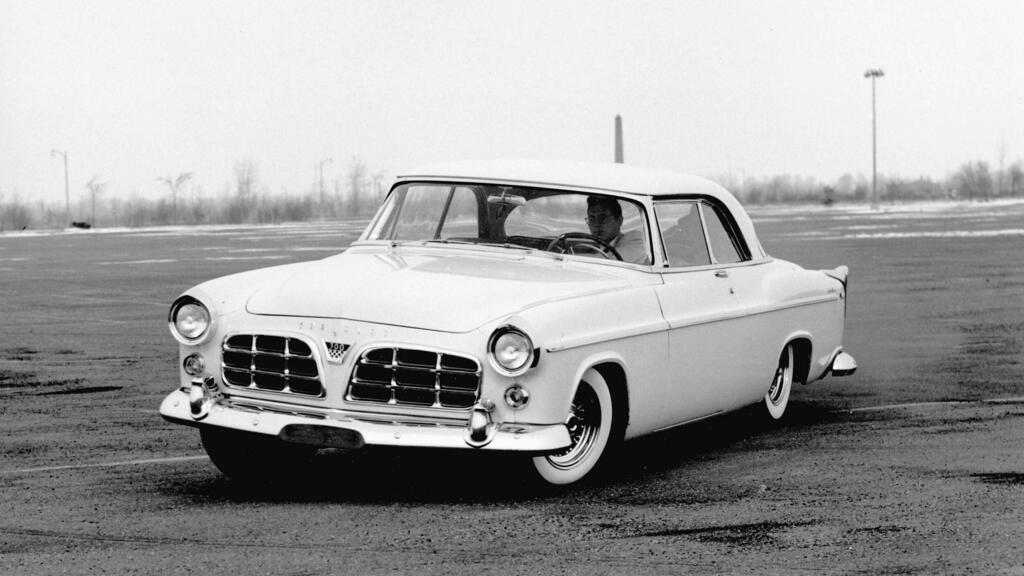
In 1955, Chrysler introduced the legendary 300, named, naturally enough, for its 300 horsepower. Alongside it came the more affordable Plymouth Fury. Both became American icons, attracting families seeking powerful cars as well as performance enthusiasts who saw them as ideal platforms for modification.
Pop stars wanted them. Celebrities wanted them. Business executives wanted them. Chrysler had become a symbol of postwar American confidence.
Then came the oil crisis
After two decades of spectacular growth, the early 1970s delivered Chrysler’s first truly existential modern crisis. The 1973 oil shock, triggered by the Arab oil embargo in the wake of the Yom Kippur War, shook the entire American auto industry. And yes, for Israeli readers, here comes the familiar joke: apparently we are to blame for everything.
Gasoline prices surged. Supply disruptions produced painful shortages at service stations. Suddenly, American buyers were far less interested in cars more than five meters long with engines displacing over six liters and producing 300 horsepower.
They wanted something smaller. And, above all, they wanted something that used less fuel. Chrysler and its Detroit rivals had been caught badly unprepared. Japanese automakers, led by Toyota and Honda, seized the opportunity. Their compact, fuel-efficient cars entered the American market against domestic competitors that had few convincing answers.
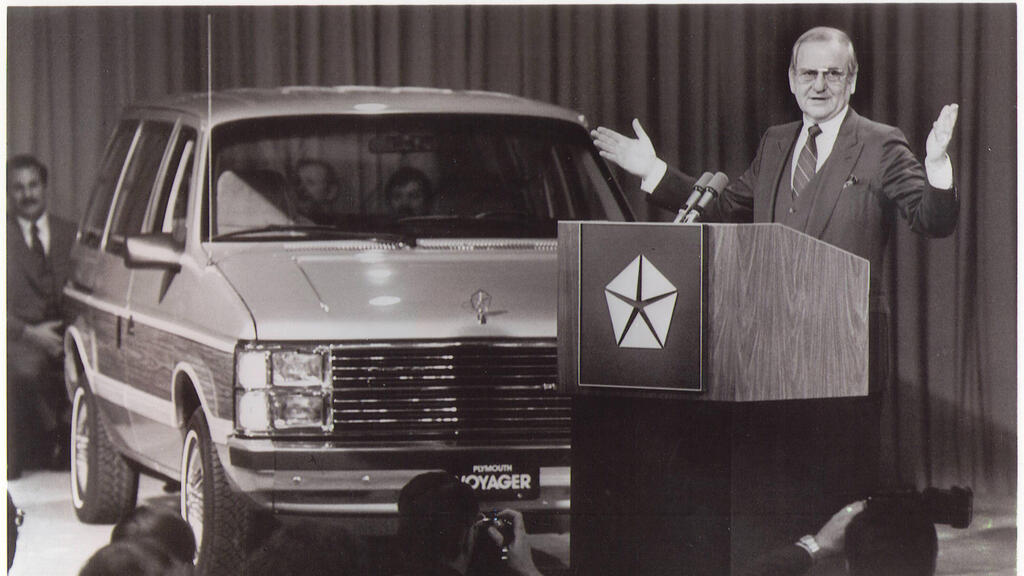
By 1978, after years of decline, Chrysler turned to one of the most celebrated marketing figures in Detroit history: Lee Iacocca. Iacocca had recently been fired as president of Ford after falling out with Henry Ford II. At Chrysler, he launched a two-front campaign.
The first was political. Iacocca lobbied Congress aggressively for government assistance and launched a populist advertising campaign in key states, spelling out to lawmakers how many workers in their own constituencies could lose their jobs if Chrysler were allowed to collapse.
The pressure produced an unprecedented government rescue for the company. In return, Iacocca gave up his salary, aside from a symbolic $1, until the debt was repaid. He also persuaded Chrysler’s unions and employees to accept temporary wage concessions to help prevent bankruptcy.
The gamble worked. Chrysler repaid its government-backed loans in full by 1983, seven years ahead of schedule.
The second front was the product itself. Iacocca ordered Chrysler engineers to develop modern cars around a new architecture known simply as the K platform. It was compact, lightweight and front-wheel drive at a time when Ford and GM had yet to embrace the formula as extensively. That made the cars more fuel-efficient and better suited to a market transformed by the oil shocks.
The platform underpinned cars including the Plymouth Reliant, Chrysler LeBaron and Dodge Aries. But its most important offspring were not conventional sedans.
They were minivans. The Dodge Caravan and Chrysler Town & Country, followed in later years by names including Voyager and Pacifica, helped create an entirely new vehicle category and came to dominate the American family-car market. The minivan would ultimately prove to be the one Chrysler product line capable of surviving almost every crisis that followed.
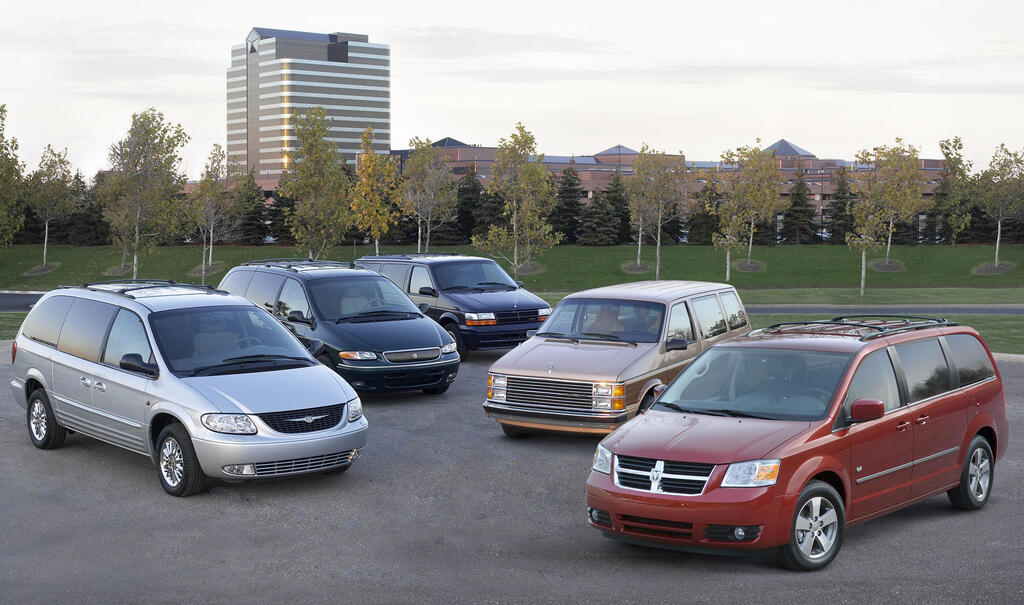
By 1987, Chrysler was profitable again. That year it acquired American Motors Corporation, or AMC, an old and struggling manufacturer with one asset of enormous value: Jeep.
There was a historical symmetry to the deal. Jeep’s lineage ran through Willys, the company Walter Chrysler himself had once helped rescue from financial trouble decades earlier. Under Chrysler, Jeep evolved from a relatively specialized brand aimed at serious off-road enthusiasts into a far broader operation offering increasingly road-oriented sport utility vehicles.
The transformation made Jeep one of the corporation’s most valuable brands and, eventually, one of its most important profit engines. That strength, however, could not solve all of Chrysler’s problems.
Merger of equals, or takeover?
After the Iacocca era, Chrysler continued to benefit from its minivans, SUVs and Jeep. But it struggled to evolve quickly enough against Japanese competitors and steadily lost ground in Europe. By the 1990s, it had become a takeover target. The buyer was Daimler-Benz, the German parent company of Mercedes-Benz.
In 1998, Daimler and Chrysler announced a $36 billion “merger of equals,” supposedly creating a global automotive powerhouse that would bring European strength to America and American scale to Europe. In practice, many inside and outside the companies came to view the arrangement as a German takeover of Chrysler.
The promised cooperation also appeared increasingly one-sided. Chrysler did receive new technology for the return of its storied 300 nameplate, this time attached to a modern sedan. But beneath the surface, much of the engineering drew on Mercedes E-Class hardware that was already aging.
Despite investment from Daimler, Chrysler lost billions and dragged down its German parent’s financial performance.
By 2007, Daimler wanted out. It sold 80% of Chrysler to the little-known investment firm Cerberus Capital Management for $7.4 billion, less than a quarter of the value attached to the original merger.
Things got worse. Cerberus had no deep experience running an automaker at Chrysler’s scale. Then, in 2008, the U.S. subprime mortgage crisis exploded into a global financial meltdown and the American car market collapsed. Chrysler ran out of money. In April 2009, it filed for bankruptcy.
A second rescue followed, this time with Italy’s Fiat playing the central role. Under charismatic CEO Sergio Marchionne, and with the support of the Obama administration, a plan was created for Fiat to take control of Chrysler.
In return, the American automaker would gain access to Fiat’s more modern, fuel-efficient engines and vehicle platforms, with the hope that a more European Chrysler would be better equipped to compete against its rivals.
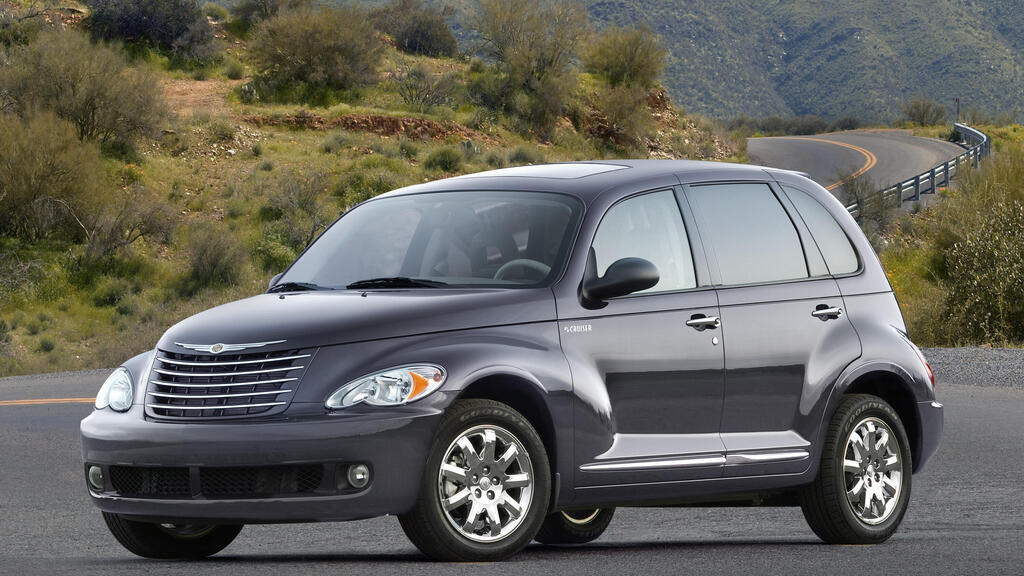
The resulting group, Fiat Chrysler Automobiles, or FCA, initially delivered. New models appeared across numerous brands, although Plymouth was no longer among them. Marchionne nevertheless believed the company still was not large enough.
His view was that modern car manufacturing increasingly demanded vast scale: numerous brands and models sharing the same engineering foundations, spreading development costs across millions of vehicles.
He put particular emphasis on Jeep and Ram, the truck brand separated from Dodge, recognizing that customers attached greater value to both names and were willing to pay higher prices for their vehicles.
That translated into better profit margins than those available from brands such as Fiat, Alfa Romeo, Dodge or Chrysler itself.
Marchionne began searching for another merger partner.
He never saw that process completed.
He died in 2018 at just 66 after battling cancer, an illness he had kept largely private even from many of his colleagues at FCA.
The search for a partner continued without him.
In January 2021, FCA merged with PSA, the French group behind Peugeot and Citroën.
PSA was then led by Carlos Tavares, who had overseen an aggressive efficiency drive that included acquiring Opel from GM, reducing headcount and consolidating vehicle programs.
Like Marchionne, Tavares believed that only giant automakers would be able to survive the enormous costs and disruption facing the industry.
Together, PSA and FCA created Stellantis, a global group encompassing a sprawling collection of American and European brands.
Tavares led it until his departure last year amid accusations that the group had neglected its American operations in favor of its European brands.
And once again, Chrysler found itself trying to work out where it belonged.
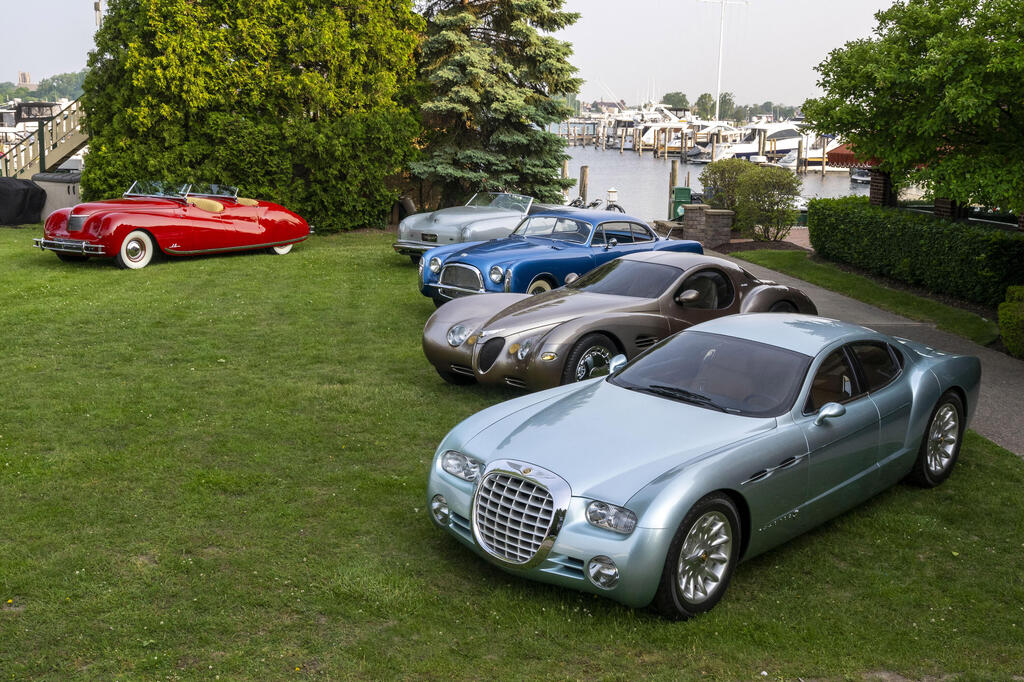
The engine that could
The story of Chrysler begins with a Kansas Pacific steam locomotive that Walter Chrysler climbed aboard as a child while visiting his father at work. That locomotive awakened the engineer in him.
From there came the golden age of the American automobile, the oil crisis, government rescues, Japanese and European competition, bankruptcy and the relentless battle to survive a global industry that repeatedly reinvented itself.
In many ways, Chrysler’s story is the story of the auto industry itself. It is an industry that began with the vision of a small number of pioneers at the end of the 19th century, men who wanted to replace the railroad and horse-drawn carriage with something that could give ordinary people freedom of movement, in relative comfort and at a price almost everyone might one day afford.
In Life of an American Workman, Chrysler’s autobiography, published in 1950 after his death, he described the creative satisfaction he found in making things. “There is a creative joy in manufacturing that only poets are supposed to know,” he wrote. “Someday I would like to teach a poet how it feels to design and build a railroad locomotive.”
That passion survived Walter Chrysler himself. It is one reason to think the company bearing his name may still have something left to contribute, despite decades of neglect, canceled vehicles and life in the shadow of much larger brands inside a multinational corporation.
Perhaps Chrysler still has one life left. And perhaps, as its founder hoped of the machines he built, its cars can once again inspire people, even if they are electric, partly autonomous and carry a few Fiat or Peugeot components under the skin.