

Andre Fontana arrived in the United States for his World Cup trip carrying two large, empty suitcases. He is returning home with both packed to capacity.
Fontana, 33, traveled from Tapejara, Brazil, with his father, uncle and cousin, visiting Atlanta, Miami and New York. They attended only one match but also devoted two hours to shopping.
The suitcases are now filled with new clothes, shoes, iPhones, MacBooks and Sephora products for Fontana’s partner and sister-in-law. He said the group chose to shop in the United States because brands were better, products were of higher quality and prices were lower than at home.
Fontana estimated that he spent about 30% less than he would have paid for the same items in Brazil.
“North Face, Columbia, Lacoste, Nike. We have all of them in Brazil, but here they are cheaper,” he told Business Insider.
The United States is hosting the World Cup alongside Canada and Mexico, with between 5 million and 10 million international visitors expected to make the trip. Many of those arriving in the U.S. have embraced another distinctly American pastime: unrestrained shopping in giant stores and outlet malls.
Lee Sterling, chief marketing officer at Simon Property Group, which owns malls and outlet centers across the country, said customer traffic had remained strong throughout the summer in both host cities and places not staging matches.
“This is a major cultural moment,” she said. “Every market is building around the excitement of the World Cup.”
Sterling said the increase was driven by tourists and local residents coming to malls to shop, eat and take part in World Cup-related entertainment, including watch parties, fan festivals and themed events. Sportswear retailers such as Adidas and Nike have been among the stores seeing increased traffic.
Soccer jerseys and sneakers are obvious attractions, but many visitors are also seeking far more ordinary products. Crest whitening strips, EOS body lotion and melatonin have all become popular items in American shopping hauls and regularly appear in TikTok videos documenting tourists’ purchases.
Toothpaste may be widely available in Europe, but whitening ingredients used by some American brands are restricted, while products such as melatonin can be more difficult to obtain. Other brands are simply not sold abroad.
Target becomes part of the itinerary
Abby Dudley, 23, from Leeds, England, visited San Francisco, Los Angeles and Las Vegas during the tournament. Her travel dates did not coincide with England matches, but she arrived with a shopping list that included toothpaste, moisturizer and PanOxyl facial cleanser.
Dudley documented her purchases and her encounters with American retail culture on TikTok.
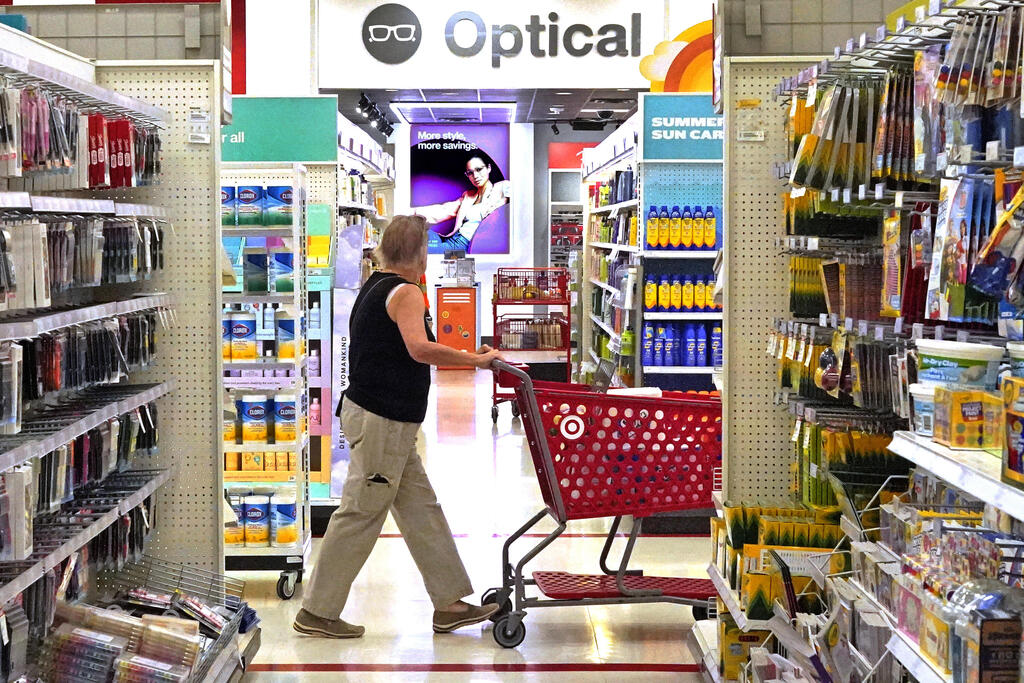
“We had to go to Target. It was one of the biggest stores I had ever been in,” she said. “People in the comments were saying things like, ‘Why would you even bother going to Target?’ For them, it is just a normal supermarket, but it was so cool to experience.”
Since the tournament began, Target stores in host cities have sold 66% more of the chain’s World Cup merchandise than stores in non-host cities, even though host-city locations account for only about one-quarter of all Target branches, a company spokesperson said.
The most sought-after item among international visitors has been Apple’s latest premium AirPods model.
‘Experiences are the new currency’
Richie Karaburun, an associate professor at New York University’s Jonathan M. Tisch Center of Hospitality, said visitors, especially those traveling for the World Cup, increasingly want experiences that feel more authentic than conventional tourist attractions.
“Experiences are the new currency,” he said.
(Photo: AP Photo/Gene J. Puskar)
That can mean walking into Walmart or Target and marveling at their sheer size and variety, just as Dudley did. International visitors have long been fascinated by the range of products at Bath & Body Works or by the seemingly endless selection of breakfast cereals in large American supermarkets.
Brands have been quick to capitalize on that fascination. Karaburun pointed to McDonald’s World Cup-themed meals and Kraft’s specially packaged ranch dressing designed to fit into luggage after the company identified unusually strong demand from overseas visitors.
For many fans, the shopping itself has become part of the trip: a distinctly American attraction alongside the stadiums, fan zones and matches.