

Chip giant Nvidia is acquiring the assets of Groq, a developer of AI acceleration chips. The deal is, in some respects, similar to the licensing arrangement Meta reached with startup Scale AI, under which the tech giant made a major investment, secured a license to use the technology, and hired the company’s CEO.
Groq was founded in 2016 by a group of former Google engineers, including CEO Jonathan Ross. Ross was one of the creators of Google’s Tensor Processing Unit (TPU), the company’s custom chip that some firms use as an alternative to Nvidia’s graphics processing units.
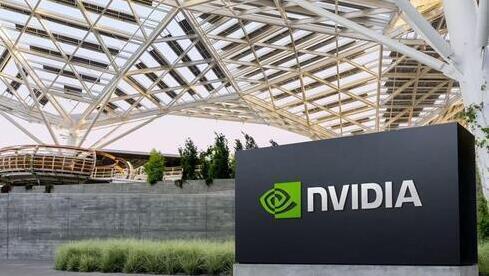
Nvidia headquarterse
( Photo: Nvidia)
According to Alex Davis, CEO of Disruptive, which has invested more than $500 million in Groq since its founding in 2016, the deal came together quickly. Just three months ago, Groq raised $750 million at a valuation of about $6.9 billion. Investors in that round included BlackRock and Neuberger Berman, as well as Samsung, Cisco, Altimeter and 1789 Capital, a fund backed by Donald Trump Jr.
Groq is expected to inform its investors of the transaction later Thursday. While the acquisition includes all of Groq’s assets, Davis said the company’s new cloud business is not part of the deal.
From an Israeli perspective, Nvidia’s largest acquisition to date remains its 2019 purchase of Mellanox for $6.9 billion. As of the end of October, Nvidia held $60.6 billion in cash and short-term investments, up from $13.3 billion at the start of 2023.
Groq had been targeting $500 million in revenue this year, amid surging demand for AI acceleration chips. According to a CNBC report, the company was not seeking a buyer when Nvidia approached it.
Nvidia CFO Colette Kress declined CNBC’s request for comment on the deal.