

The Consumer Price Index for February, to be published Sunday evening, is expected by forecasters to rise by a moderate 0.2%. However, even a small increase would still push Israel’s annual inflation rate up from 1.8% to around 2.0%, because the CPI reading in February 2025 was flat.
February’s index will likely be driven by price increases in services and housing, alongside a certain drop in flight prices ahead of the sharp rise expected in the March index. Food prices rose at a relatively modest rate in February, while clothing and footwear prices remained comparatively low due to end-of-season sales.
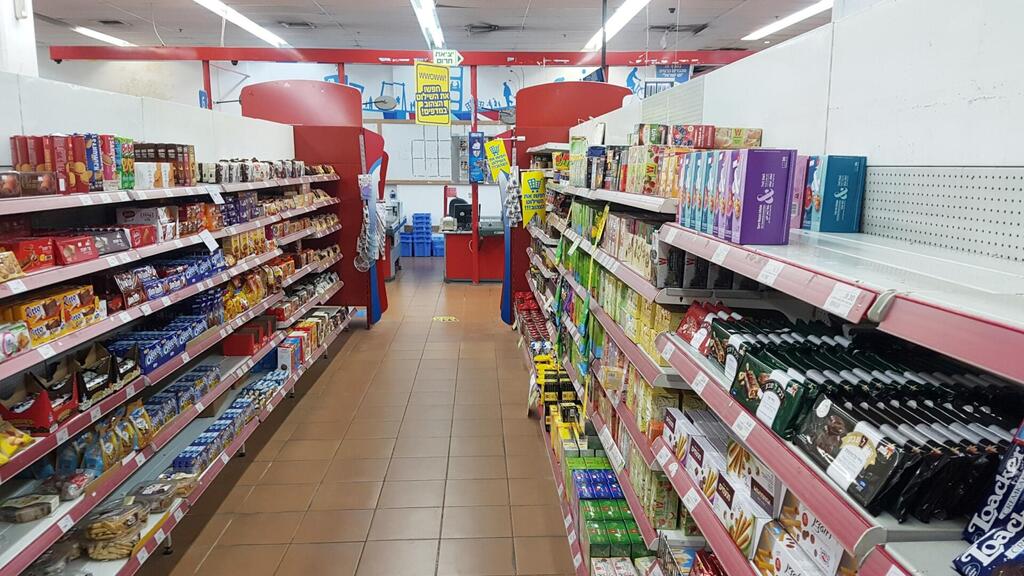
Supermarket
(Photo: Orel Cohen)
Last February, the impact of the tax hikes that had affected the January 2025 index expired. Those increases were introduced to curb the large deficit created by the costs of the Iron Swords war, most notably the one-percentage-point VAT increase to 18%. As a result, the CPI for February last year registered no change. Any February 2026 reading above that flat level will therefore push annual inflation back toward 2%, compared with 1.8% in the latest reading.
Before the current confrontation with Iran, there had even been expectations that inflation might fall further, given the relatively high readings recorded in March and April 2025 — 0.5% in March and 1.1% in April. However, Operation Rising Lion has changed the outlook.
Fuel prices have already risen and are expected to continue climbing due to higher oil prices and the strengthening of the dollar. Gas prices are also expected to rise, and electricity could increase as well. As a result, hopes for a near-term interest rate cut have likely been dashed.
The Bank of Israel’s monetary committee is scheduled to announce its next interest rate decision on March 30, and there is now almost no chance that the rate will be reduced again, after two cuts since November that brought the benchmark rate to 4% (with the prime rate at 5.5%).
More optimistic forecasters say a rate cut could perhaps come on May 25, shortly after the Shavuot holiday, but even that will depend on many factors — including the end of the war, a return to normal economic activity, lower fuel prices and the approval of the state budget in the Knesset.