

Haifa’s tech sector continued to expand in 2025, with local investment fund HiCenter Ventures reporting a sharp increase in activity and follow-on funding for startups operating in the city.
According to figures released by the fund, HiCenter invested in 24 startups during the year — 19 of them new additions to its portfolio and five follow-on investments. Companies backed by the fund raised about $90 million in additional capital over the same period.
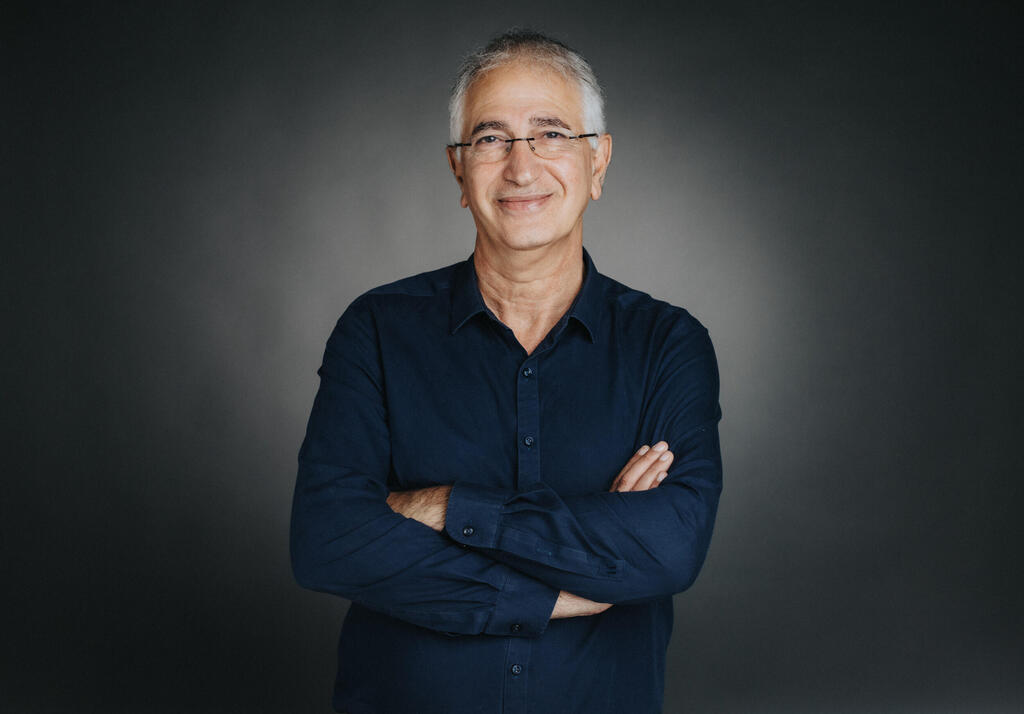
Lior Hanuka, CEO of HiCenter Ventures
(Photo: Micha Brikman)
Founded in 2021, HiCenter Ventures was set up by the Haifa Economic Corporation and the Haifa Municipality with the aim of strengthening the city’s entrepreneurial ecosystem. Since its launch, the fund says it has supported 104 startups, which have collectively raised more than $300 million. Its investor network, HiFund, now includes roughly 1,200 private investors alongside partnerships with Israeli and international venture capital firms.
The fund’s recent investments reflect broader trends in Israel’s innovation landscape, with a focus on artificial intelligence, energy technologies, digital health, foodtech and maritime innovation — often referred to as the “Blue Economy.”
Several of the portfolio companies operate in cybersecurity and data protection. Cydome develops cyber defense systems for maritime vessels, a sector that has become increasingly digitized and exposed to cyber threats. Enqode, another portfolio company, is working on encryption and data protection tools designed to address the anticipated risks posed by quantum computing.
Maritime technology has emerged as a particular area of concentration. NewLight Blue is developing a retrofit system that converts ship diesel engines into hydrogen-diesel hybrid systems, aiming to cut fuel consumption and emissions. THETIS AI uses artificial intelligence to optimize shipping routes in real time, with the goal of improving efficiency and reducing environmental impact.
Lior Hanuka, CEO of HiCenter Ventures, said the fund’s model combines early-stage capital with operational support for founders. “Our model, which combines early-stage investments with value-added services for entrepreneurs, continues to demonstrate strong results,” he said, pointing to follow-on funding rounds completed by more mature portfolio companies.
Hanuka added that artificial intelligence is now embedded across much of the fund’s portfolio, and described the Blue Economy — estimated globally at $2.5 trillion annually — as a strategic focus for Haifa. He noted that nine maritime-related companies received support this year, working in collaboration with the National Center for Blue Economy and the Institute for Maritime Policy and Strategy, both affiliated with HiCenter Ventures.
Looking ahead, the fund plans to expand its reach into defense-related technologies. Chairman Udi Graff said the organization intends in 2026 to attract more defense-tech entrepreneurs and to leverage partnerships with northern Israel’s defense industries, academic institutions and high-tech firms.
The latest figures underscore Haifa’s ongoing effort to position itself as a complementary innovation hub alongside Tel Aviv, building on its industrial base, port infrastructure and academic institutions. Whether the momentum can be sustained amid broader volatility in global venture markets will likely depend on continued access to follow-on capital — something the fund’s backers argue is beginning to take root locally.