

As Israel turns the page on a turbulent decade and closes the books on 2025, few figures better capture the scale - and the tension - of the moment than Avner Stepak, the understated force behind Meitav Investment House.
By any financial measure, the period was extraordinary. In 2025 alone, Meitav’s stock delivered a return of approximately 293% — nearly quadrupling in value over the year. Over the past three years, the share price has risen by about 1,070%, representing an increase of nearly twelvefold. Today, Meitav, led by Ilan Raviv, CEO for the last 15 years, is valued at approximately 9.5 billion shekels.
Yet Stepak has never spoken like a man intoxicated by numbers. A lifelong Meitav insider, he followed a path different from that of his father, Zvi Stepak, the firm’s founder and longtime public face. Where the elder Stepak served as the organization’s “foreign minister,” Avner became its “interior minister” - focused on risk, structure, and long-term discipline rather than headlines.
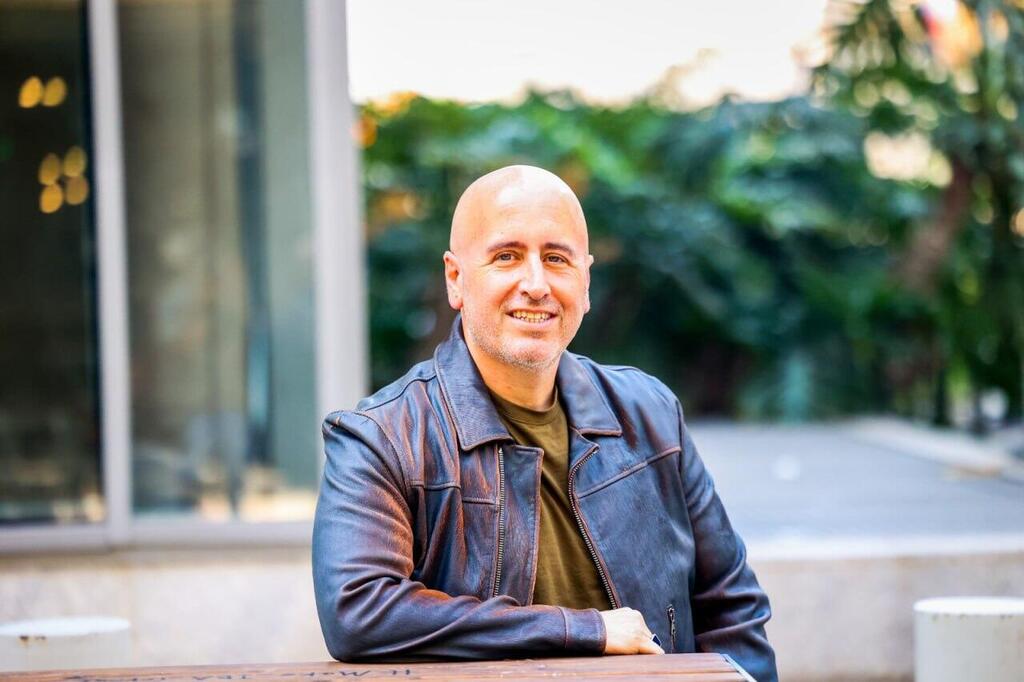
Looking back on 2025, Stepak describes it not as a miracle, but as a moment of alignment. Global markets performed strongly, and Tel Aviv emerged as one of the world’s best-performing exchanges. Valuations at the start of the year, he notes, were still relatively low, making investment decisions unusually clear for those willing to take calculated risk.
The harder part, he explains, lies ahead. While optimistic about Israel’s real economy in 2026-forecasting growth that could reach 6% - Stepak is more guarded about markets after such a powerful run. “The challenge is forward, not backward,” he says. Markets have already priced in much of the recovery; expectations are now high, and margins for error narrower.
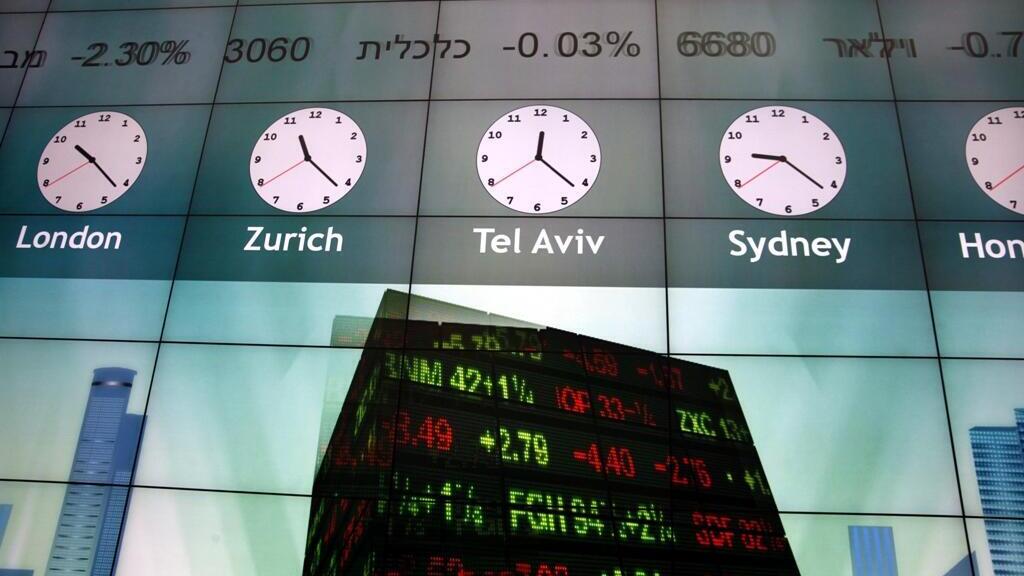
One of the most surprising developments of 2025, in his view, was not performance but behavior. Israeli investors, historically quick to panic during crises, showed new resilience. When volatility hit global markets earlier in the year, many increased equity exposure rather than fleeing it. Even more striking was the influx of very young investors - teenagers and young adults opening trading accounts in unprecedented numbers.
(Photo: Getty Images)
Speculation exists, he acknowledges, but he rejects the idea that the phenomenon is pure gambling. The real danger, he says, is short-term trading dressed up as strategy. Day trading, in his blunt assessment, remains a losing proposition. “Ninety-five percent lose money,” he says. “The other five percent are lying.” Long-term investment, not constant motion, is what builds wealth.
That philosophy now guides Stepak in his newest role as chairman of Meitav, overseeing hundreds of billions of shekels belonging to ordinary Israelis, pensions, provident funds and long-term savings. He frames the job less as financial leadership than as public trust. Wealth, he says, should be measured not by Lamborghinis or penthouses, but by whether households achieve greater economic security over time.
Risk management sits at the center of that mission. Returns matter, he insists, but process matters more. Good decisions, consistently applied and protected against catastrophic loss, ultimately outperform lucky bets. The same logic, he adds, is too often missing from the public sector, where decisions are frequently made without long-term thinking or institutional accountability.
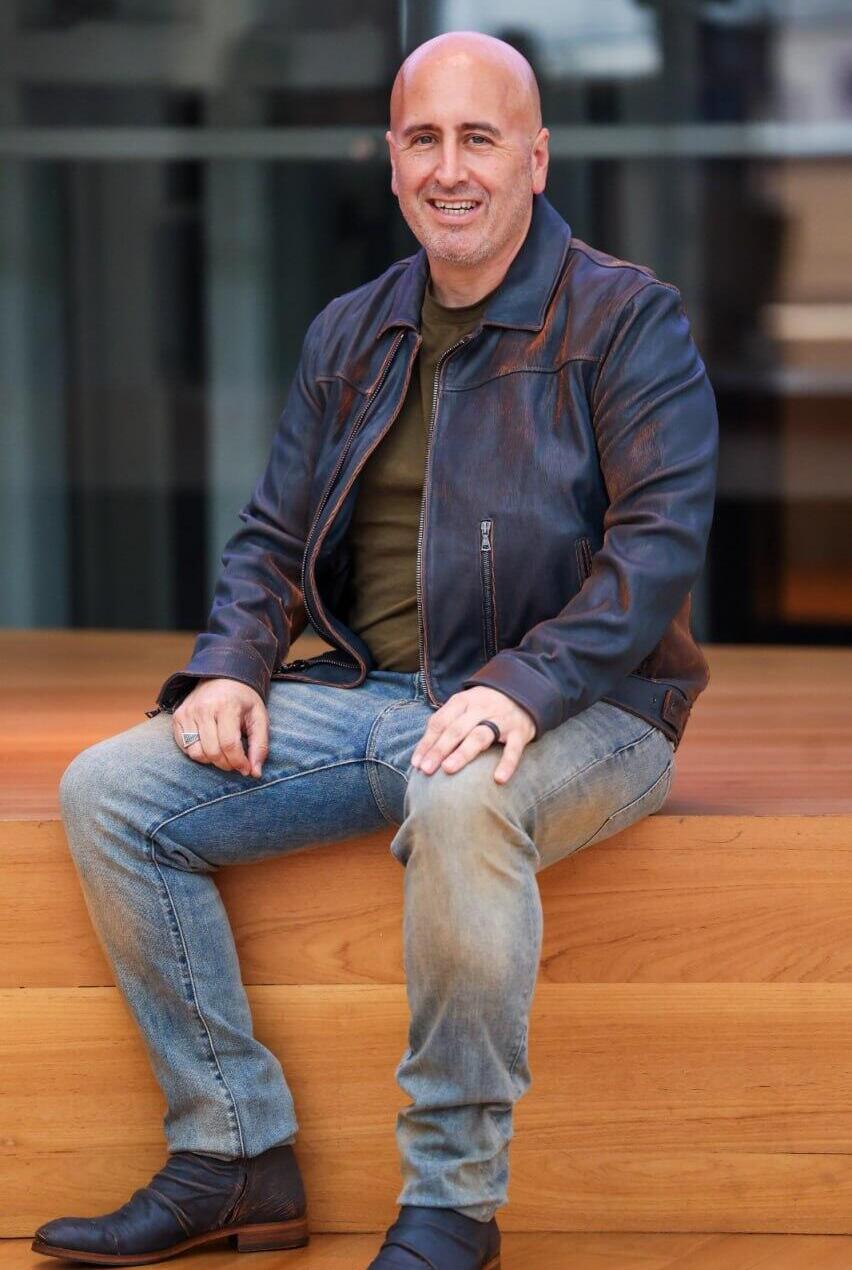
'Doing good comes back with interest and indexation,' says Stepak
(Photo: Shlomi Yosef)
Stepak’s concern for the years ahead is not growth, but distribution. While 2026 may bring a sharp economic rebound after the war, he expects inequality to widen - between rich and poor, large companies and small ones, high-tech and the rest of the economy. His prescription runs counter to conventional market orthodoxy: reduce defense spending and redirect resources toward civilian infrastructure - education, health care, welfare, transportation and public safety - sectors he says are quietly eroding.
Israel, he notes, still has room to maneuver. Even after wartime spending, its debt-to-GDP ratio remains low by global standards. The risk, he warns, is not insolvency but neglect: allowing public systems to decay while markets soar.
His personal life mirrors that outlook. Stepak lives a deeply philanthropic life. Since the end of the war has devoted significant resources to a new social initiatives. The aim is not charity alone, but a catalytic model, blending capital, entrepreneurship and shared responsibility to strengthen the country’s social fabric.
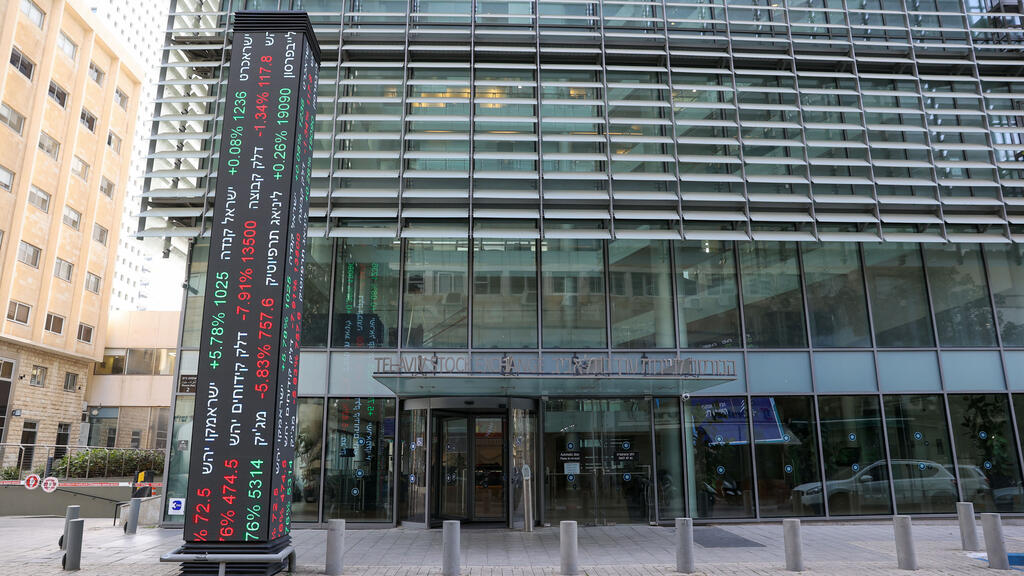
Tel Aviv Stock Exchange
(Photo: Avi Muallem)
Asked to define 2025 in a single word, Stepak calls it a ‘turning-point’, a transition from war to recovery, from fear to confidence, and from undervalued markets to elevated expectations. Whether 2026 fulfills that promise, he suggests, will depend less on momentum than on judgment.
He ends not with a forecast, but with advice, offered half as economics, half as moral accounting: doing good, he says, is still the safest investment. Inflation may be low, interest rates still high, but the return is guaranteed.
“Doing good comes back with interest and indexation.”
First published: 13:50, 01.01.26