

George Prokopiou, the billionaire Greek shipping magnate, ordered five of his tankers to sail through the 50-meter-wide passage of the Strait of Hormuz, despite Iran having closed the strait immediately after the start of the war and threatening to bomb any vessel that dared defy the closure.
The crews aboard the ships were instructed to shut off their transmitters, or transponders, before entering the strait to make them harder to target. On websites that track ship movements around the world, the five tankers could be seen disappearing from the screens, only to reappear once they had successfully crossed the strait.

Prokopiou, 79, whose fortune is estimated at about $4.7 billion, has sparked widespread anger in the shipping industry over a decision that placed crews working for him in real danger. Nine vessels have already been hit by Iranian fire and three people have been killed.
But Prokopiou is a billionaire who enjoys making money and provoking controversy.
His move in the Strait of Hormuz has made his ships and tankers popular with countries and companies looking for a way to move goods through the blocked passage. The logistical bottleneck created by the war and the closure of this critical shipping artery has sharply increased demand for those willing to take the risk, doubling the sums companies can charge for transporting cargo.
Prokopiou decided to seize the opportunity. His company is the only one that has managed to pass through the strait, aside from Iranian “shadow fleet” tankers exporting oil in violation of sanctions.
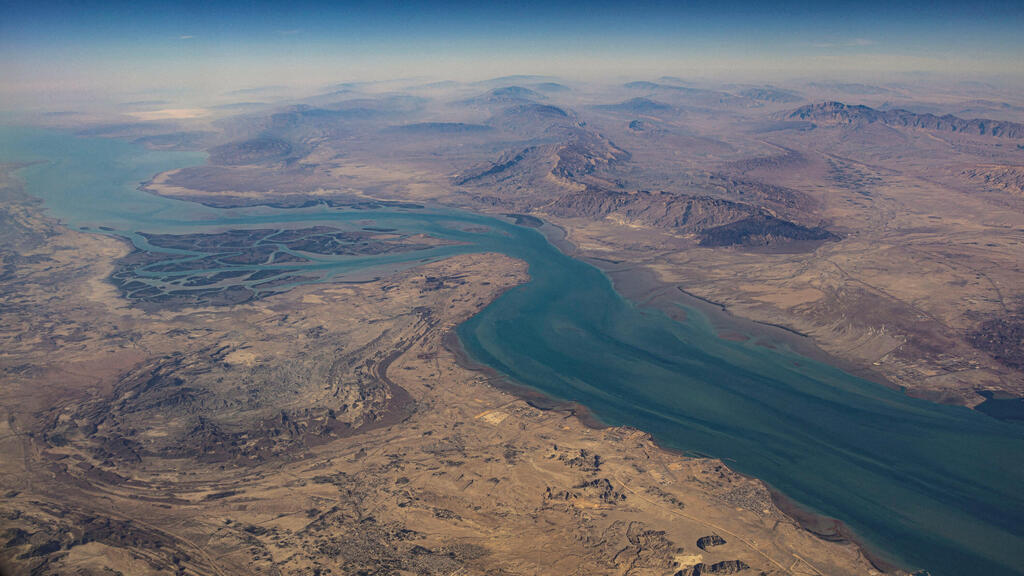
Strait of Hormuz
(Photo: REUTERS)
Just as important for Prokopiou, the move once again put him in the headlines, as did his response to sanctions imposed on Russia after its invasion of Ukraine — a response that led critics to label him an “international sponsor of war.” At the time, Prokopiou argued that “sanctions cannot work,” and his companies continued exporting Russian oil around the world.
In the international shipping world, Prokopiou — who also holds extensive real estate assets, including the Four Seasons hotel in Athens — is known as a businessman operating largely in the “premium” niche. These are ventures that fall a millimeter short of being defined as criminal activity, yet generate enormous profits for those willing to pursue them.
His order to crews to sail through the Strait of Hormuz despite Iran’s active threat to set any vessel on fire if it dared do so fits squarely within that definition.
Under maritime law, tanker crews have the right to refuse orders to sail through war zones where their safety is at risk. The prevailing assumption in the shipping industry is that Prokopiou calculated the enormous profits the daring voyage through the Strait of Hormuz would generate and offered crews a sum they could hardly refuse. It was likely also his way of securing insurance policies for the tankers after many insurers had refused to cover them.