

Israeli cybersecurity unicorn Cyera announced Tuesday that it had signed a letter of intent to acquire Israeli startup Oasis Security for approximately $1 billion.
The proposed transaction is expected to include about $700 million in cash, with the remainder paid in Cyera shares.
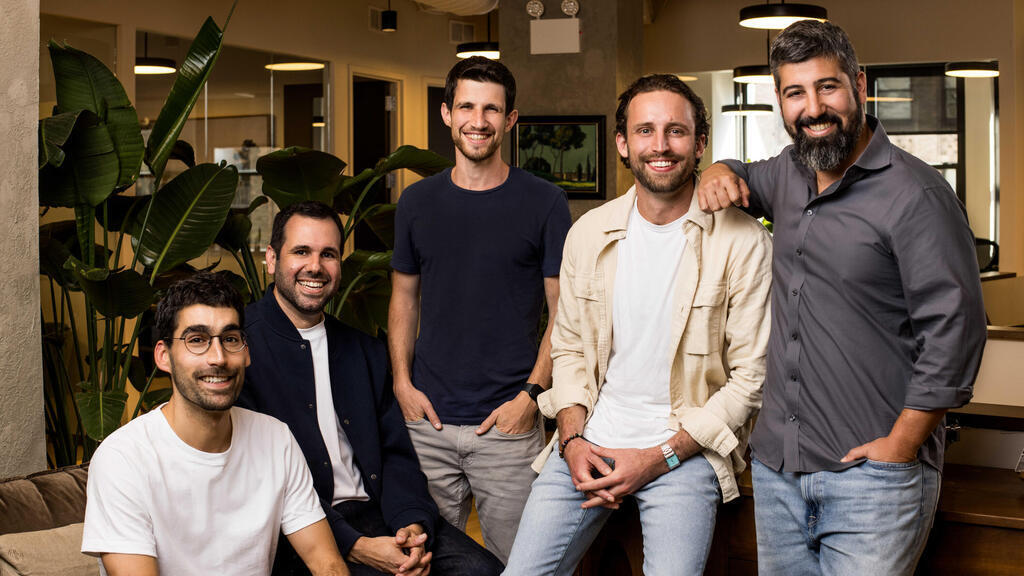
Cyera and Oasis founders, from right: Yotam Segev, Danny Brickman, Yonatan Itay, Amit Zimerman and Tamar Bar-Ilan
(Photo: Ohad Kab)
The move comes as Cyera continues its rapid expansion after recently raising $600 million at a valuation of $12 billion.
Oasis Security develops technology for managing and securing non-human identities, including service accounts, tokens, digital keys and artificial intelligence agents. The field has become one of the fastest-growing segments of the cybersecurity industry as more organizations deploy AI agents and automated systems across their operations.
The company’s platform allows organizations to discover, manage and govern non-human identities, identify security risks and apply protections in real time.
Oasis was founded in 2022 by CEO Danny Brickman and Chief Product Officer Amit Zimerman. The two met during their military service in the IDF’s elite Unit 81 intelligence technology division.
Brickman served in the unit for about 11 years as part of the military’s Talpiot program, while Zimerman served there for approximately seven years.
Oasis has raised $195 million to date. Its most recent funding round, completed in March, valued the company at $700 million.
Under the planned deal, Oasis would continue operating as a dedicated unit within Cyera and would retain responsibility for the non-human identity security field. Teams from both companies are expected to integrate their platforms.
The acquisition would broaden Cyera’s operations beyond data security and deepen its position in the expanding market for protecting AI-based systems and machine identities.
“As early as day one, we recognized that non-human identities would become one of the central security challenges of the artificial intelligence era,” Brickman said.
“While Cyera redefined data security, we redefined identities for the AI era. We share a common vision for the future of cybersecurity, and this combination allows us to realize it faster and on a much larger scale.”