

More than 200 Starbucks employees are on their way out as the coffee giant shifts offices to Nashville and cuts jobs in a broader restructuring. The company is parting ways with about 120 employees in the Seattle area who have declined to relocate to the new offices, roughly 1,900 miles away, as well as another 104 workers whose positions have been eliminated.
The layoffs will move quickly, with the process expected to be completed by Nov. 1. Employees leaving the company will be offered severance packages. Once the cuts are completed, Starbucks will have eliminated 537 positions this year, according to The Independent.
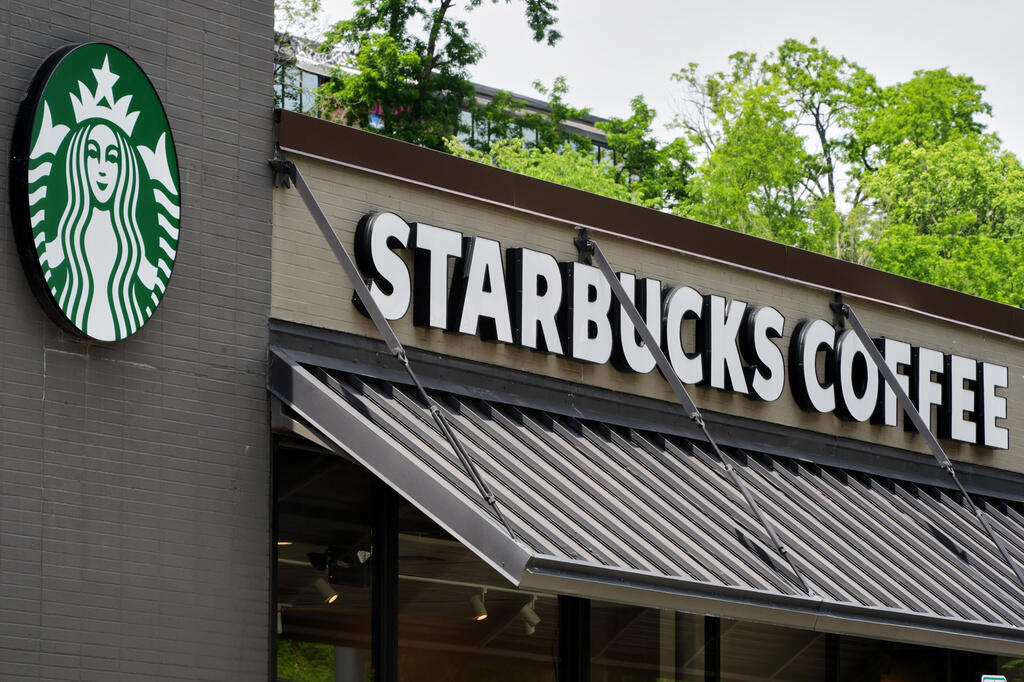
The company is investing $100 million in its new Nashville office complex, which is expected to open in 2027 and eventually house about 2,000 employees. The site is intended to serve as a regional base for Starbucks’ expansion in the South and East while the company keeps its headquarters in Seattle.
Management has described the move as part of a strategy to reduce costs and improve decision-making. At the same time, Starbucks is facing unrest among some store employees. Over the weekend, several baristas walked off the job in protest over working conditions.
Starbucks Workers United is seeking an agreement that includes a minimum wage of $17 an hour, annual raises of 4%, at least three baristas on every shift at all times and resolution of outstanding cases before the National Labor Relations Board.
The company is also trying to win back customers and maintain momentum after four straight quarters of same-store sales growth, including a 7.9% increase in the most recent quarter. Its turnaround plan includes adding staff in stores, retraining workers, using technology to prioritize orders, redesigning stores, serving more drinks in mugs, streamlining mobile ordering and aiming to prepare every beverage in four minutes or less.
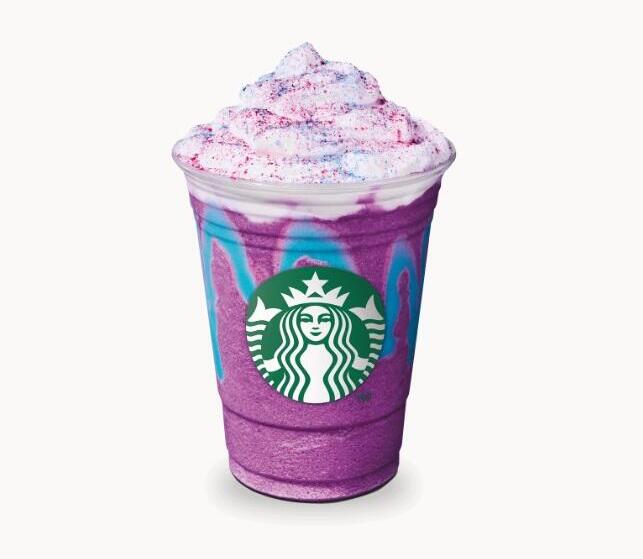
Unicorn Frappuccino, the nostalgic hit that sold 2 million drinks in two days
(Photo: Starbucks)
Recent menu changes have also boosted demand. Starbucks sold more than 2 million Unicorn Frappuccinos in two days, marking what the company said was the biggest sales day ever in North America at company-operated stores.
The colorful drink, originally launched in 2017, recently returned for a limited-time nostalgic comeback and again drew attention for changing color and flavor as customers drink it.