

Meta is facing a lawsuit from 26 current and former employees who allege that the company used artificial intelligence systems to help decide who would be laid off, disproportionately targeting workers with disabilities and employees who had taken legally protected leave.
Meta denies the allegations and says organizational decisions “were and continue to be made by humans, not artificial intelligence.” The plaintiffs claim that AI-powered tools identified in the lawsuit as “MetaMATE” and “Checkpoint” scanned employee data to score, rank and select workers for dismissal.
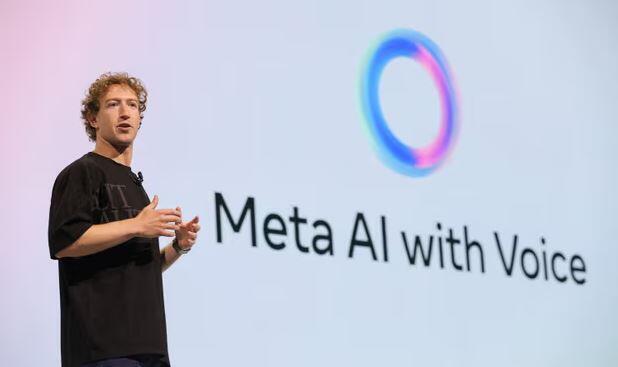
CEO Mark Zuckerberg
(Photo: Reuters)
According to the complaint, the performance systems did not properly adjust for legally protected absences, including medical leave, parental leave, family-care leave and maternity leave.
Instead of treating those periods as paused or neutral, the lawsuit alleges, the systems recorded the absences as reduced performance, an approach the plaintiffs say particularly harmed women. Nearly half of the plaintiffs claim they were dismissed shortly before, during or after maternity or parental leave.
One case described in the lawsuit involves a Meta scientist who was allegedly selected for dismissal one day before her water broke and two days before she gave birth. In another case, an engineer claims he received a lower performance rating because his work was interrupted after he suffered an injury.
The complaint describes Meta’s internal performance infrastructure as combining keyboard and activity-monitoring data, dashboards tracking the use of AI tokens and algorithm-assisted ratings. According to the plaintiffs, the Checkpoint system turned employees’ adoption of artificial intelligence into a “core evaluation metric.”
Plaintiffs seek to halt dismissals
The workers allege that the algorithms used to identify layoff candidates relied on biased data, particularly in their assessment of productivity, accommodation needs and the importance of employees’ roles when workers had disabilities.
They also claim the tools failed to include the individualized and neutral review of protected leave and workplace accommodations required by law.
The dismissals described in the lawsuit were part of a broader wave of cuts at Meta. The company laid off about 8,000 employees, roughly 10% of its global workforce, in May, in one of the largest rounds of job reductions in its history.
The plaintiffs accuse Meta of violating federal and state laws prohibiting discrimination or retaliation against workers with disabilities, employees taking medical leave and pregnant workers. According to the lawsuit, Meta failed to update its AI systems to eliminate bias, despite new laws in California and New York City requiring closer scrutiny of automated employment decision tools.
The case highlights growing legal concerns over the use of artificial intelligence in recruitment, performance evaluation and workforce restructuring. It also intersects with European regulation. The European Union’s AI Act classifies employment-related artificial intelligence systems as “high risk” and subjects them to stricter transparency and review requirements.
According to The Associated Press, the plaintiffs asked a court for a preliminary injunction that would halt the dismissals and preserve the status quo while their claims proceed through private arbitration. They argue that finalized terminations would cause irreversible harm.
The complaint also cites an earlier case filed by former employee Nicola Franché in March. According to that lawsuit, Meta’s workforce reductions disproportionately affected older employees, with workers over 50 allegedly 2.5 times more likely to be dismissed than younger colleagues.