

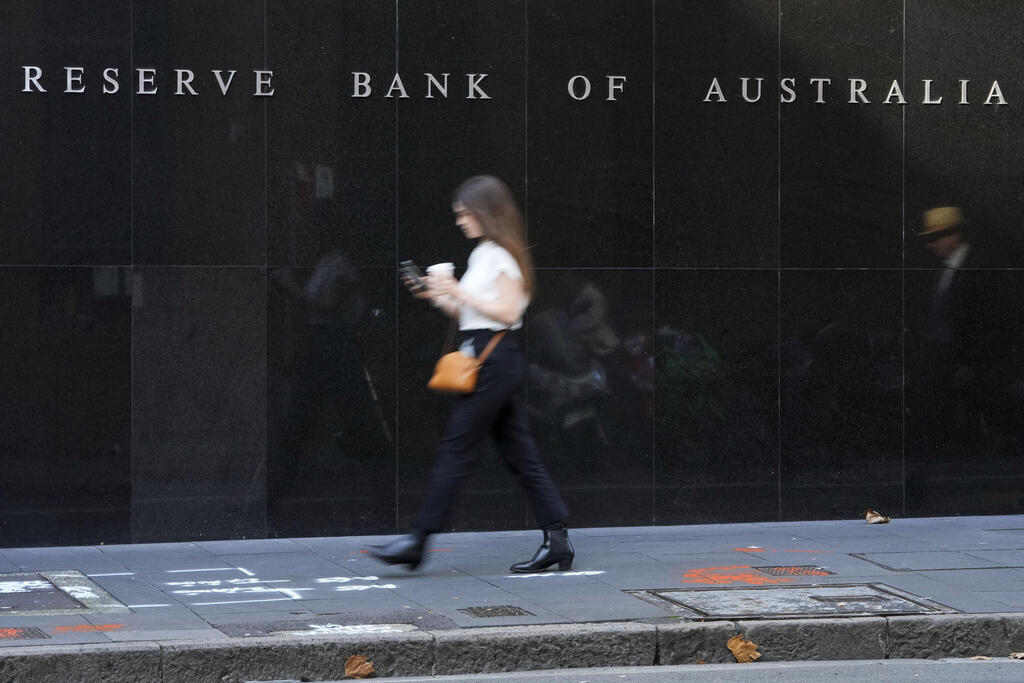
In October, millions of Australians pulled into gas stations and discovered that a liter of fuel cost more than 2.40 Australian dollars, the first time prices had crossed that threshold in six months. A few weeks later came another worrying figure: Annual inflation had reached 4.3%, well above the Reserve Bank of Australia's target range of 2% to 3%. Now the country faces another blow. On Tuesday morning, the central bank raised interest rates for the fifth time this year, to 4.85%, their highest level in 18 years. Financial markets had already priced in roughly an 80% chance of the move.
While the U.S. Federal Reserve, the European Central Bank and the Bank of Japan are holding rates steady, Australia is moving in the opposite direction. How did a country long considered one of the world's most stable economies reach this point, and can its residents absorb another increase?
Inflation that refuses to ease
To understand the crisis, it helps to start with agriculture. "All our machinery, our trucks, tractors and harvesters, runs on diesel," says Brendan Taylor, a grain farmer from Queensland's Darling Downs region. "We can't operate without it. When the price goes up, everything becomes more expensive."
Australia is the world's largest importer of seaborne diesel. About 90% of the diesel it consumes comes from overseas, and only two refineries remain in the country. Since the U.S.-Israeli strikes on Iran in February and the subsequent closure of the Strait of Hormuz, that dependence has come at an enormous cost. According to a report by the Australian Climate Council, the country spent an additional 9 billion Australian dollars on diesel imports between March and August, more than twice as much as any other country, equivalent to 324 Australian dollars per resident. In October, diesel averaged about 2.84 Australian dollars per liter, while gasoline averaged 2.43 Australian dollars.
Energy Minister Chris Bowen provides weekly updates on how many days of fuel remain in the country's national reserves. According to the latest figures, Australia has enough gasoline for 41 days and diesel for 33 days, with dozens of tankers on their way. The government insists there is no shortage, but the margin is narrow. Even Australians who do not drive diesel-powered vehicles are paying the price.
"Diesel hits inflation twice," energy analyst Rohan Bowater of Accela Research told RenewEconomy. "Once at the fuel pump, and again through the cost of growing, manufacturing and transporting everything." Australia covers an enormous geographical area, and almost everything that reaches supermarket shelves travels hundreds, sometimes thousands, of kilometers by truck.
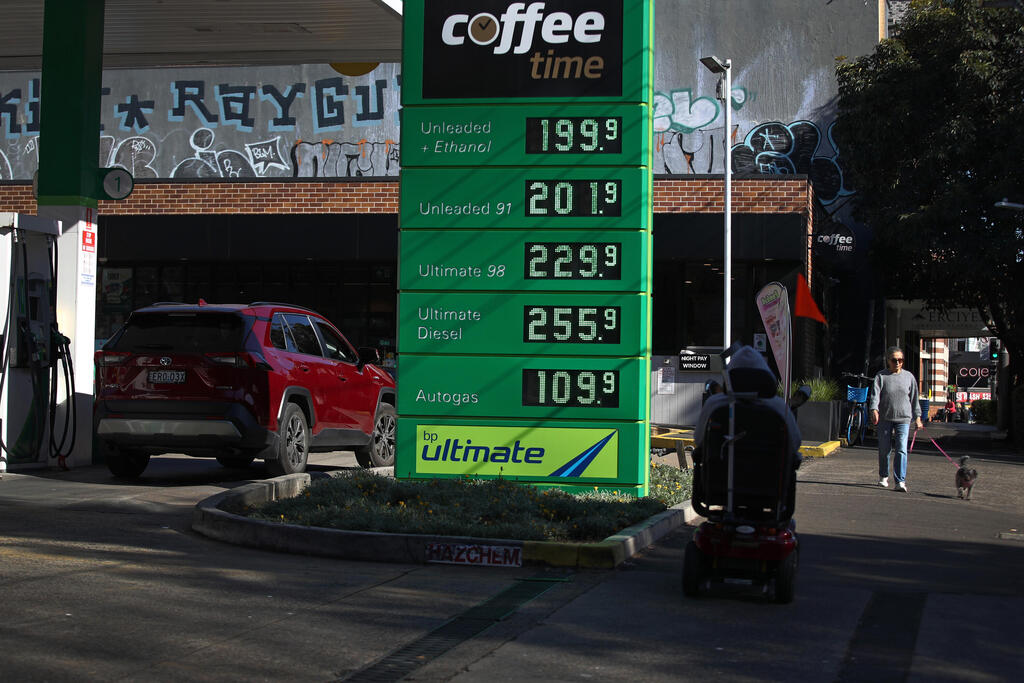
Gas station in Sydney
(Photo: Lisa Maree Williams/Getty Images)
Fuel prices jumped 9.4% in September, while housing costs, the largest component of the inflation index, rose 5.2% over the year. But what particularly worries the central bank is that underlying inflation, which excludes volatile items, continues to climb. Deputy Governor Andrew Hauser warned last month that more businesses were beginning to regard inflation of 3% to 3.5% as the "new normal," calling that prospect "the central banker's nightmare." The concern is that consumers and businesses will become accustomed to rising prices, workers will demand higher wages and companies will pass increasing costs on to customers, making inflation extremely difficult to bring back under control.
For the average Australian, every interest rate increase has a direct impact on household finances. Most mortgages in the country carry variable interest rates, and September's increase pushed the standard mortgage rate above 9% for the first time since 2008. According to research firm Roy Morgan, nearly one-third of mortgage holders, 31.8%, are now at risk of mortgage stress. That represents approximately 1.75 million people, more than half a million more than at the beginning of the year.
The pressure is already being felt well beyond the housing market. In a survey by credit information company Experian, 55% of Australians reported significant stress over rent or mortgage payments. Some 43% said they had reduced spending on restaurant meals and takeout food, nearly a third had cut grocery purchases, and almost one in five had postponed medical or dental treatment. Spending at pubs and bars has declined, while clothing and footwear sales fell 3.4%.
Home values tumble as households cut heating costs
The housing market has undergone a dramatic reversal. According to property data company Cotality, home values across Australia's major cities have fallen 8.1% in just seven months, putting them on course for their sharpest decline in 40 years. Property investors who enjoyed decades of almost uninterrupted price increases are suddenly discovering that their assets are worth less than they believed.
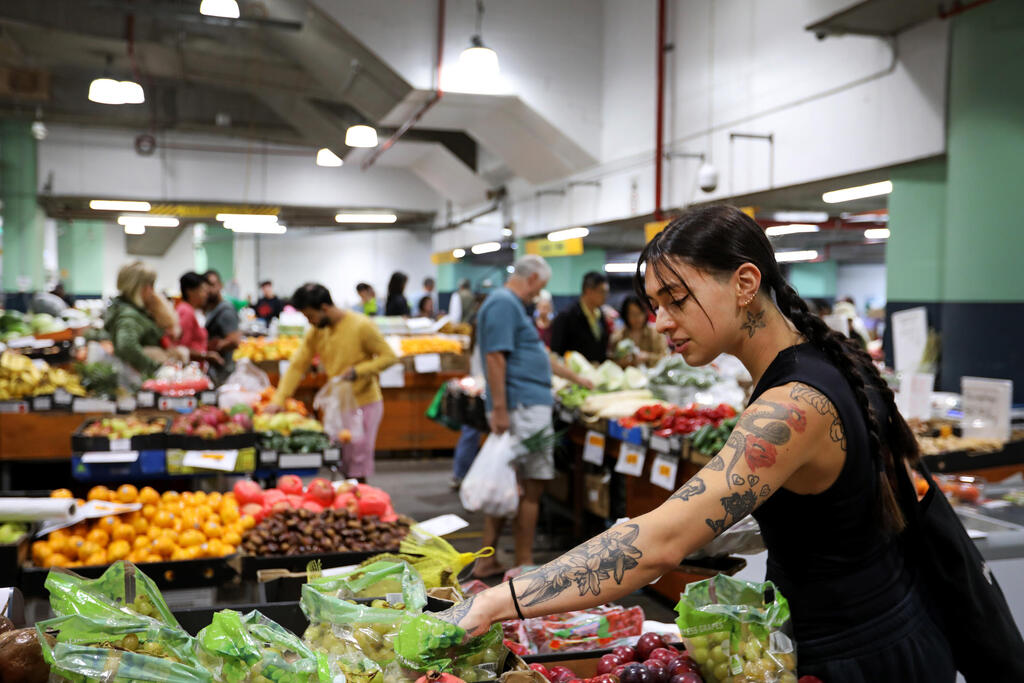
Shoppers at a Sydney supermarket
(Photo: Lisa Maree Williams/Getty Images)
The rental market, which remained overheated for years, is also beginning to cool. Median weekly rent reached a record 713 Australian dollars, but the pace of increases has slowed to its lowest level in almost two years. In Sydney, rents actually fell 0.4% in the latest quarter, while the city's rental vacancy rate rose to 2.5%. That does not mean renting has become affordable. It simply means tenants can no longer afford to pay more.
A hunger report published by Australia's Foodbank in October paints a troubling picture. Half of surveyed households reported traveling less or switching to cheaper transportation this year, compared with just 24% last year. Nearly half had reduced their electricity and heating consumption. More than 40% had given up haircuts, beauty treatments or participation in family events such as birthdays and holiday celebrations.
Among households experiencing food insecurity, the situation is even more severe. Many are buying less fruit, vegetables, meat and dairy products, while 14% have moved into cheaper housing. According to the report, families are no longer giving up luxuries. They are cutting back on basic necessities.
It is hardly surprising that the national mood has deteriorated. The Westpac-Melbourne Institute Consumer Sentiment Index plunged to 80.4 points in October, one of its lowest readings since the index was established in the 1970s. The previous interest rate increase had an especially severe effect on consumers: Those surveyed after the decision registered a score of just 67.2, a level previously seen only during the depths of the early 1990s recession.
Westpac described the situation as a "cost-of-living nightmare that seems to have no end in sight." More than 80% of consumers expect mortgage interest rates to continue rising, with the figure approaching 90% among mortgage holders.
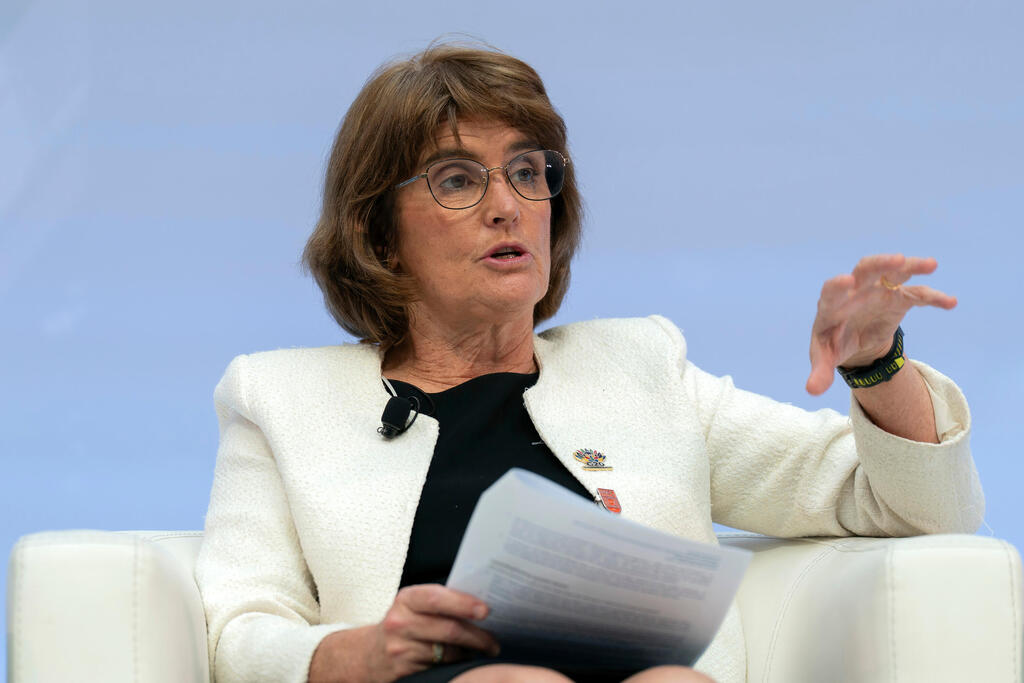
Reserve Bank of Australia Governor Michele Bullock
(Photo: AP Photo/Jose Luis Magana, File)
Until recently, Australians' strongest protection against economic hardship was a resilient labor market. That, too, is beginning to change. Unemployment has risen from 4.1% to 4.7% this year. But according to documents that have come to light, the central bank's models now place the country's "natural" unemployment rate, below which wage and price pressures tend to accelerate, at around 5%, rather than the previous assumption of 4.6%. In other words, the bank may still consider the labor market too tight despite rising unemployment.
"The Reserve Bank has made it clear that it is putting relatively little weight on the recent softening in the labor market," says Westpac chief economist Luci Ellis. "It is also relatively relaxed about the decline in the housing market."
Following Tuesday's interest rate increase, which Australian economists had widely anticipated, the obvious question is what comes next. Citigroup has not ruled out rates reaching 5% or higher.
Whatever happens, Australia, the land of sunshine, beaches and vast mineral wealth, long seen as relatively insulated from economic crises, is discovering that it is not immune to the war in the Middle East. For now, between the gas station and the bank, Australians are learning to live with less.