

Donations from Israel’s high-tech sector surged in 2025, with a sharp increase in stock-based giving helping push total contributions to a record level, according to an annual report released by the Keshet donor-advised fund.
Keshet reported total deposits of 420 million shekels (about $115 million), marking its highest annual total since its founding in 2019. The most notable trend was a 300% increase in donations of shares and stock options, largely driven by senior executives and founders in the technology industry.

According to the report, 105 deposits of shares and options were made in 2025, totaling about 73.9 million shekels. That figure represents a threefold increase compared with 2023 and reflects a broader shift in how wealth is donated.
Rather than waiting for liquidity events such as company sales or public offerings, donors are increasingly transferring equity directly to the fund. This allows them to receive immediate tax benefits while enabling the value of the shares to grow over time for charitable use.
Despite the surge, stock-based donations still account for about 17.5% of total deposits, indicating that cash contributions remain the dominant form of philanthropy in Israel.
Keshet was founded in 2019 by CEO Maya Natan Mozer, a philanthropy professional with about 25 years of experience, and Chair Maya Liquornik, who also chairs the board of Max Group. The fund provides financial and technological infrastructure for managing charitable giving, primarily serving high-net-worth individuals, family offices and technology entrepreneurs.
The donor-advised fund model allows contributors to deposit funds and receive immediate tax credits under Israeli law while retaining flexibility to direct donations to specific causes at a later stage.
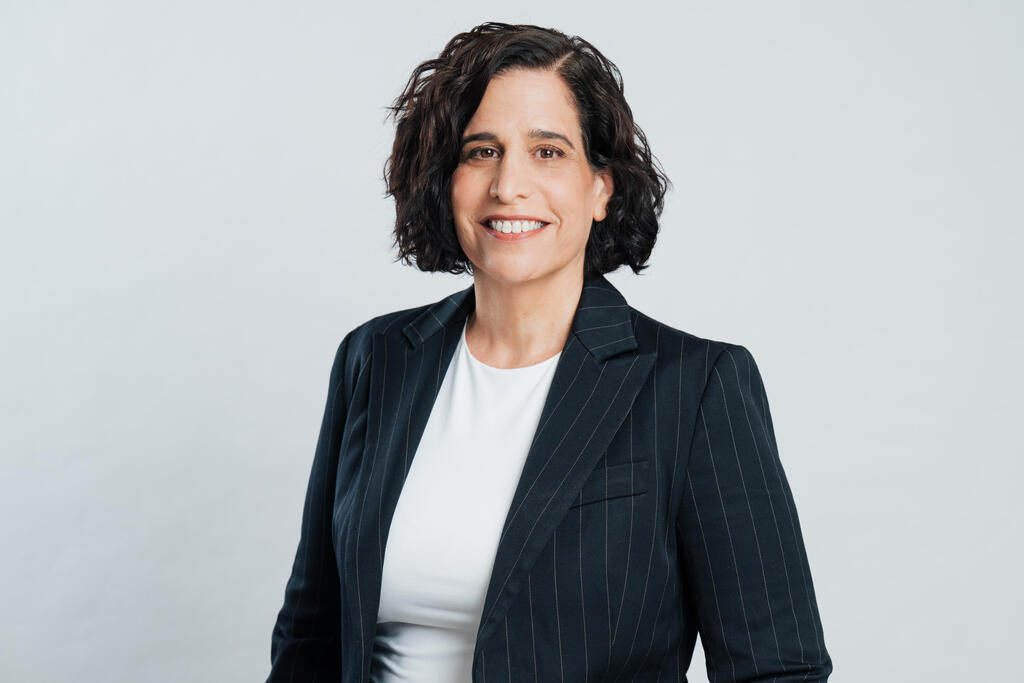
Maya Natan Mozer, CEO of Keshet
(Photo: Tami Bar Shay)
The report also highlights continued philanthropic support tied to the ongoing war. About 12.5 million shekels were allocated to the rehabilitation of communities in the Gaza Envelope, a region of Israeli towns and villages near the Gaza Strip that were heavily affected by the Oct. 7, 2023, Hamas-led attack and subsequent fighting.
Education received the largest share of grants in 2025, totaling about 91.5 million shekels. Organizations focused on social welfare and public policy received approximately 51.5 million shekels.
Mozer said the rise in equity-based giving reflects both practical and cultural changes.
“We are witnessing a clear shift toward share-based donations,” she said. “Private donors and businesses are increasingly using equity instruments due to their convenience and flexibility.”
She added that Keshet has expanded its services to help nonprofits that are not equipped to manage securities. The fund can now hold shares in escrow and convert them into cash grants when a liquidity event occurs.
Since its establishment, Keshet reports that more than 1.3 billion shekels have been deposited, with 665 million shekels distributed to over 1,300 nonprofit organizations. The fund says it is now the largest private philanthropy platform in Israel, managing 183 donor-advised funds, supporting 20 international funds operating in the country and overseeing 12 thematic or joint philanthropic initiatives.