

Immunai, a leading AI biotechnology company focused on mapping the human immune system, has announced a multi-project collaboration with Boehringer Ingelheim aimed at advancing drug discovery in immuno-oncology and autoimmune diseases.
The initial agreement, valued at up to $15 million, will run through 2027 and includes an initial discovery program focused on identifying novel T-cell targets. The partnership may be expanded depending on scientific progress and mutual agreement between the companies.
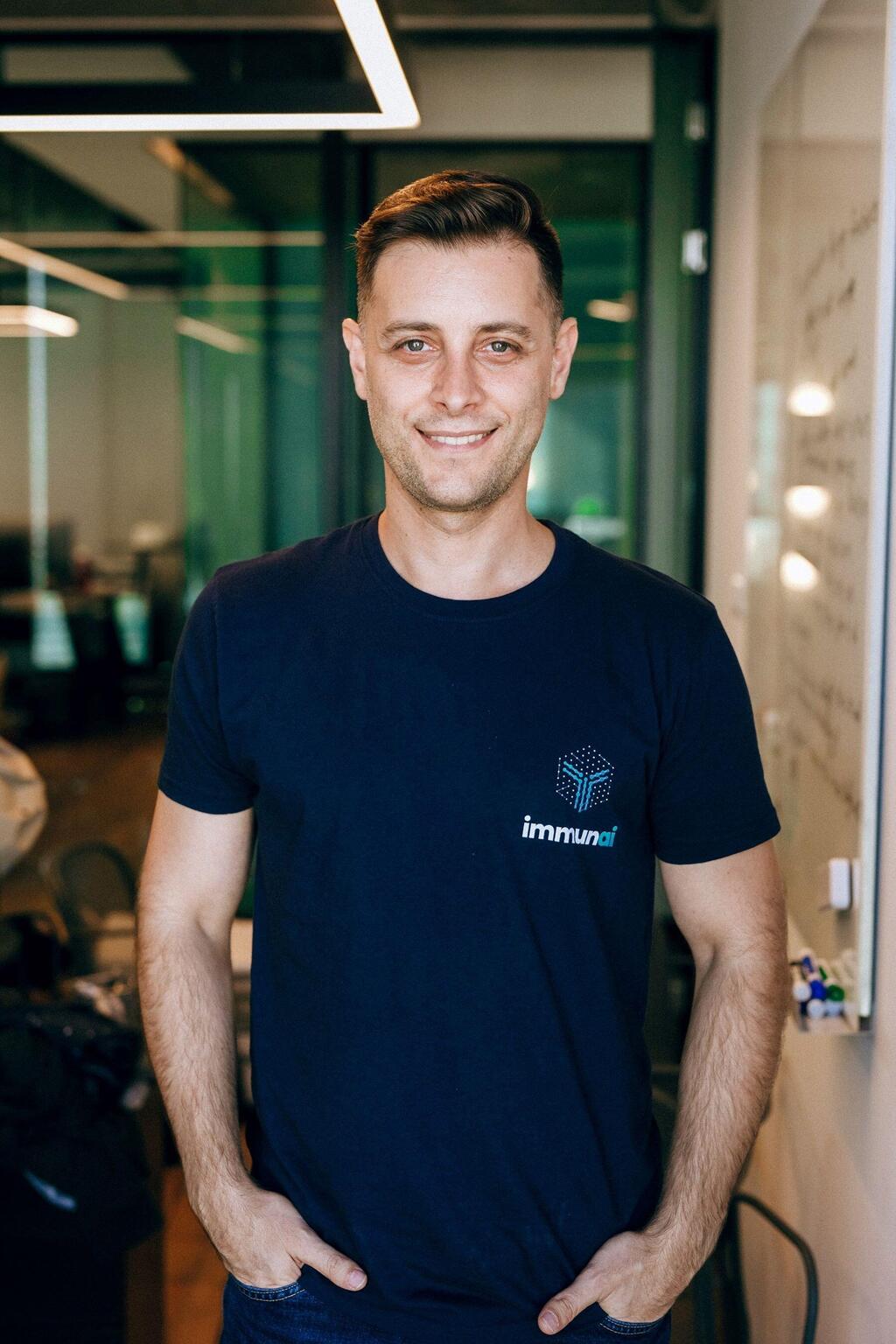
Noam Solomon, Ph.D., CEO of Immunai
(Photo: Gil Kovlatzuk)
In the first phase of the collaboration, Immunai and Boehringer Ingelheim will build a shared data foundation spanning cancer and autoimmune disease. Immunai will apply its single-cell AI platform to thousands of patient samples to identify patterns of T-cell dysfunction across both conditions.
Promising findings will then be validated in Immunai’s laboratory and may serve as the basis for new drug discovery and development programs within Boehringer Ingelheim’s portfolio.
T-cell dysfunction is a key biological mechanism in both cancer and autoimmune disorders, but the two fields have traditionally been studied separately. The collaboration aims to bridge this gap by combining single-cell multi-omic data, AI models, and functional validation to uncover therapeutic targets that may not emerge through traditional research approaches.
Immunai’s AMICA-OS platform integrates immune-focused single-cell datasets with foundation AI models and lab-based validation tools to generate actionable insights for drug development.
Both companies emphasized the significant global burden of cancer and autoimmune disease, which together affect tens of millions of patients worldwide and remain areas of high unmet medical need.
“Cancer immunology and autoimmune diseases both involve T-cell dysfunction, but they have largely been explored separately,” said Noam Solomon, Ph.D., CEO of Immunai. “By analyzing large-scale patient data, we aim to uncover biological insights and therapeutic opportunities that would otherwise remain hidden.”
Lamine Mbow, Ph.D., Global Head of Discovery Research at Boehringer Ingelheim, said the partnership reflects the company’s commitment to advancing new treatment approaches in areas of unmet need.
Across oncology and inflammatory diseases, he said, “patients continue to face serious unmet medical need, and too many still lack treatment options that can meaningfully change the course of disease.”
Mikael Dolsten, M.D., Ph.D., Board Member of Immunai, said the collaboration is designed to break down long-standing silos between oncology and autoimmune research.
“What is distinctive about this collaboration is that it is intentionally designed to bridge that gap through a concrete discovery program,” he said.
The Boehringer partnership follows a series of recent expansions of Immunai’s collaborations with major pharmaceutical companies. In January 2026, the company announced a collaboration with Bristol Myers Squibb to apply its AMICA-OS platform across oncology development programs. In May 2026, it expanded its multi-year partnership with AstraZeneca.
Immunai, headquartered in New York City, employs more than 170 experts and has raised approximately $270 million to date. The company uses single-cell genomics and machine learning to decode the human immune system and accelerate therapeutic development through its AI operating system AMICA-OS.