

One of the greatest threats to U.S. forces and their allies in the wars in Iraq and Afghanistan was improvised explosive devices, or IEDs. These relatively cheap, makeshift weapons, sometimes containing homemade explosives, were usually planted along traffic routes and were able to threaten a large and powerful military. They were detonated using simple means, such as basic cellphones or even improvised pressure switches.
The routine movement of the U.S. military became a threat that lasted for about a decade. This type of warfare is defined as asymmetric warfare: A terrorist organization uses cheap, flexible and unconventional means to challenge a large, expensive and well-equipped army.
(Photo: IAI)
According to a study published in the International Journal of Epidemiology, IEDs in Iraq caused about 60% of all hostile deaths among coalition forces during the period examined, a far higher share than direct combat itself. In Afghanistan, in the early years, 25% of hostile deaths were caused by IEDs, on the way to or from a mission rather than during the mission itself. U.S. congressional reports also described IEDs as early as the mid-2000s as one of the leading causes of death among American forces in Iraq and Afghanistan.
An IED did not have to defeat a tank or a fighting force in direct combat; it only had to hit them on the road, during a patrol or in a convoy. The result was enormous operational, psychological and economic attrition. A military that had invested hundreds of billions of dollars in advanced platforms found itself forced to contend with a small, dispersed and cheap threat.
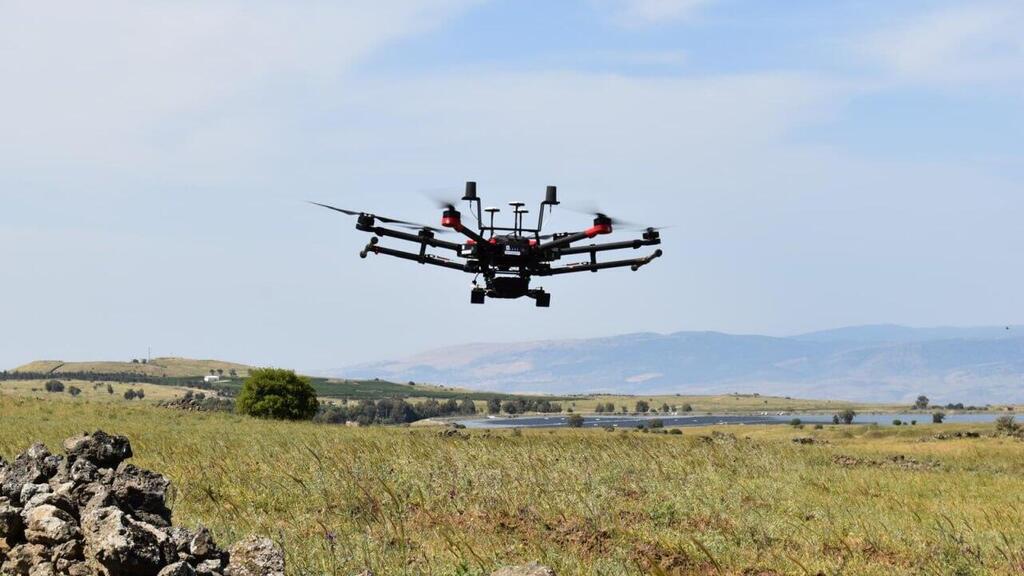
In Israel’s wars against terrorist organizations, Hezbollah and Hamas, as well as in the war between Russia and Ukraine, small explosive-laden first-person-view, or FPV, drones are playing a similar role. Here, too, the threat is small and relatively cheap, while challenging large military systems. A small drone that can be purchased online or in a toy store, equipped with a small explosive charge such as a grenade or an improvised device, can harass maneuvering forces, hit vehicles, disrupt ground and air movement, threaten outposts and force armies to contend with a different kind of threat.
Once again, it is a clash between a large military with expensive platforms — tanks, armored personnel carriers, communications systems, bases and positions — and a small tool that creates a threat and consequences disproportionate to the investment required to produce and operate it.
In both cases, IEDs and FPV drones, the threat does not stem only from direct physical damage, but from the ability to change the rules of the game. IEDs forced the U.S. military to change routes, slow movement, armor vehicles, develop robotics, sensors and new combat doctrines. The small drone is doing something similar: It is forcing armies to rethink close-range air defense, overhead protection, early detection, electronic warfare, low-cost interception and the protection of small forces in the field.
The IED threat also gave rise to significant industrial solutions. Many companies developed armor, MRAP vehicles, defense systems and more resilient vehicles. One prominent Israeli example is Plasan Sasa, which developed and manufactures survivability and armor solutions for military vehicles, including protection against IEDs, mines and ballistic threats. Defense industry sources have also described Plasan’s Israeli armor contribution as significant for American vehicles in Iraq and Afghanistan.
Drones are today’s IEDs. They are not necessarily the most powerful threat, but they pose a strategic challenge because they are cheap, widespread, flexible and difficult to neutralize completely. As in the past, the response will come from creative, technological and rapid thinking — an area in which Israeli companies excel.
The solutions are coming not only from leading Israeli companies, but also from small companies and startups with creative and proven technologies.
Examples of such companies include:
ParaZero Technologies
(Nasdaq: PRZO, market cap: $17.6 million)
The Kfar Saba-based company is known for drone safety systems and later entered the counter-drone field with its DefendAir system, which intercepts drones using a net and nonkinetic interception.
D-Fend Solutions
(private company)
The company specializes in cyber and RF takeover solutions — taking control of a hostile drone and landing it safely, instead of physically intercepting it. It works with airports, governments, militaries and critical infrastructure operators.
XTEND
(Nasdaq: JFB, market cap: $1.5 billion)
The Israeli company developed operational drone systems and remote-control technologies, and in recent years has also entered partnerships in the counter-drone field. In 2026, a Counter-UAS partnership with ParaZero was reported.
Robotican
(private company)
A relatively small company focused on robotics and tactical drones. It is not always involved in classic counter-drone activity, but some of its solutions are related to tactical defense and distributed warfare.
Nothing written here constitutes a recommendation to trade securities. As of the date of writing, the author does not provide services to, or hold securities in, the companies mentioned.
Gilad Mendel is a securities researcher, adviser to publicly traded companies and a leader in accounting analysis for opportunistic funds. He previously managed proprietary trading portfolios worth billions of shekels and manages a investor community. Nothing written here constitutes a recommendation to trade securities, and anyone who does so acts solely at their own responsibility. The information does not replace consultation with a licensed investment adviser.
First published: 03:29, 05.02.26