

Teva Pharmaceutical Industries will lay off 250 employees at its Teva Tech plant in Ramat Hovav in southern Israel over the next two years as part of a global restructuring of its active pharmaceutical ingredients business.
The plant operates under TAPI, Teva’s global active pharmaceutical ingredients unit. APIs are the chemical or biological components that make medicines work.
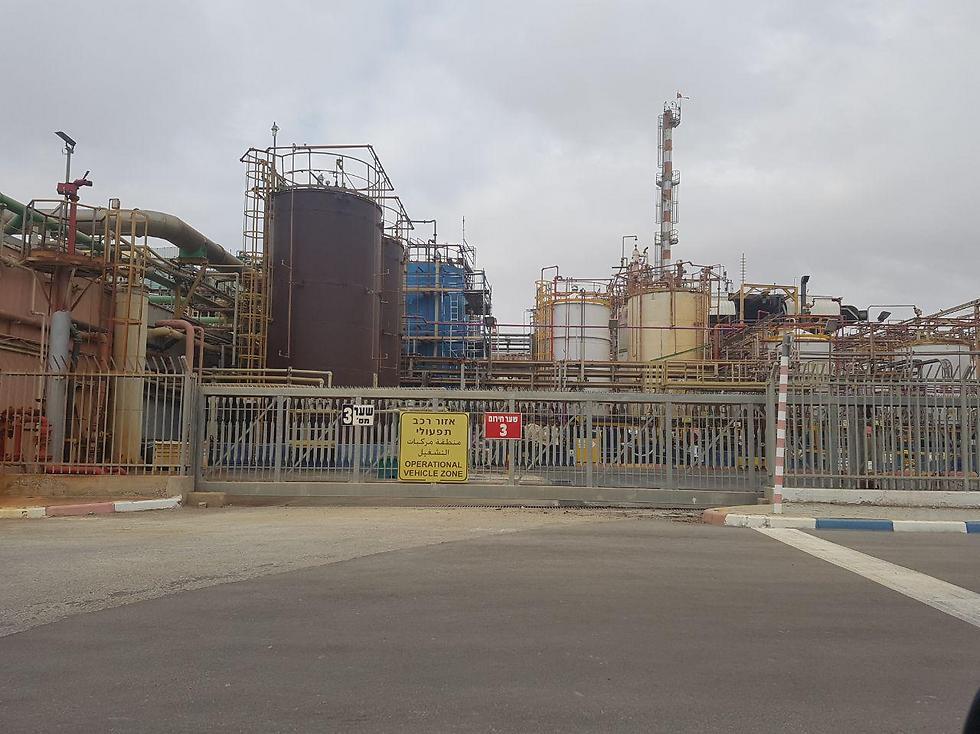
Teva, one of the world’s largest generic drugmakers, has tried unsuccessfully for the past two years to find a buyer for TAPI. The company said it “continues to strategically examine the possibility of selling global TAPI, in accordance with market opportunities.”
The cuts are part of a global TAPI plan to improve competitiveness and adjust to changing business conditions, Teva said. The Israeli site will continue producing advanced raw materials, mainly peptides, vitamins and oligo-manufacturing technologies, which the company sees as growth areas. Other production will be moved to TAPI plants abroad, where manufacturing costs are lower.
Teva said the changes are not expected to affect its commercial activity in Israel or the availability of medicines for patients.
The restructuring is being carried out in coordination with worker representatives and the Histadrut, Israel’s main labor federation. Teva said affected employees will receive personal assistance, career counseling, funding for professional training and enhanced severance terms.

Employees of the Teva Tech Ramat Hovav plant protest lay offs, 2013
(Photo: Histadrut Hadashah)
“We have an agreement with Teva on severance terms for the next four years,” Eliezer Bloch, chairman of the Histadrut’s food and pharmaceutical workers union, told ynet. “But we do not have an agreement on the number of layoffs.”
TAPI operates as a separate company within Teva, with its own strategy and management, partly in preparation for a possible sale. The unit is estimated to be worth about $1.5 billion, though no sale has been completed.
The latest cuts are not the first at Teva Tech. At its peak, the Ramat Hovav plant employed about 1,000 people and supplied most of the active ingredients for Teva’s medicines. The workforce has since fallen to about 400.
After the new round of cuts is completed, Teva Tech Israel is expected to employ 150 to 200 people.

Employees of the Teva Tech Ramat Hovav plant protest lay offs, 2013
(Photo: Histadrut Hadashah)
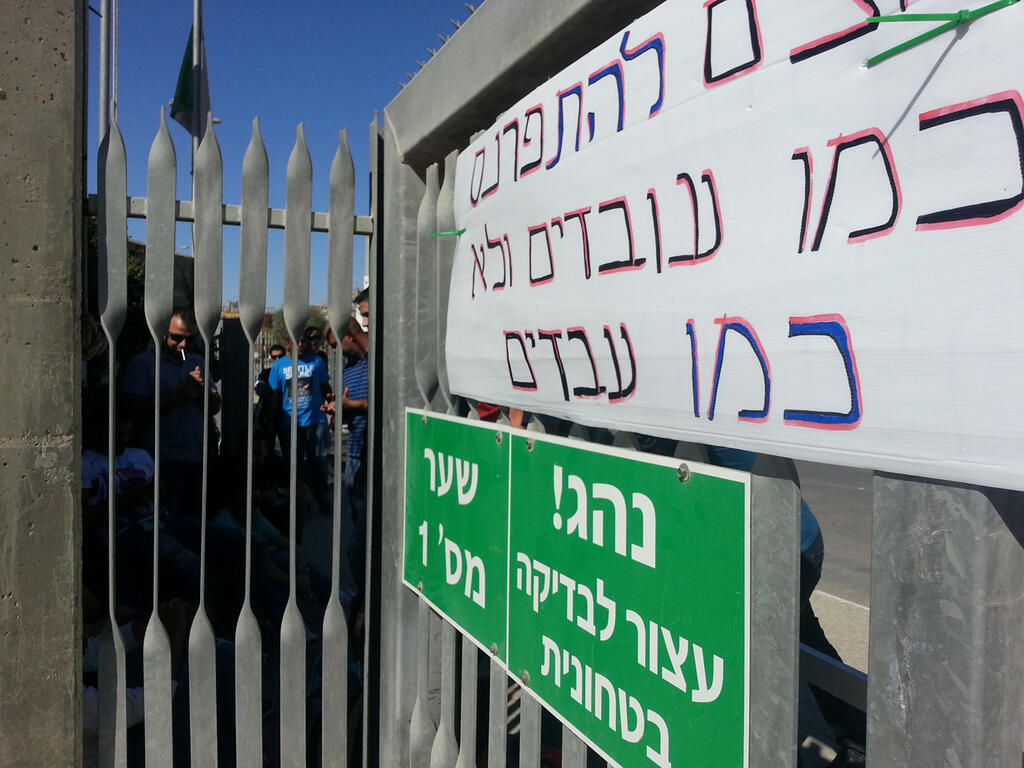
Employees of the Teva Tech Ramat Hovav plant protest lay offs, 2013
(Photo: Roy Edan)
Teva launched a major cost-cutting plan in 2017 that included 1,750 layoffs in Israel, including at Teva Tech. The move followed the company’s $40 billion acquisition of Actavis Generics, a deal that left Teva with heavy debt and forced broad restructuring.
Over the years, Teva has shifted focus from lower-margin generic drugs to more complex and branded medicines, reducing the need for local production of some raw materials. Competition from lower-cost Chinese manufacturers and cheaper production at Teva plants abroad also contributed to the decline in Israeli manufacturing.
Teva said the current transformation will strengthen TAPI’s competitiveness “under any future scenario.”