

Despite political differences between London and Jerusalem, Britain is looking to deepen its ties with Israel in science, technology, trade and investment, with British Ambassador to Israel Simon Walters using a multi-day visit to the Oxford-Cambridge Growth Corridor to promote new partnerships between the two countries.
Walters traveled through the major British research and innovation hub last week as part of the UK government's International Growth Partnerships program, which pairs selected international partners with regional growth clusters across Britain. Israel has been paired with the Oxford-Cambridge corridor, a major center for research, advanced technology, life sciences and innovation-led growth.
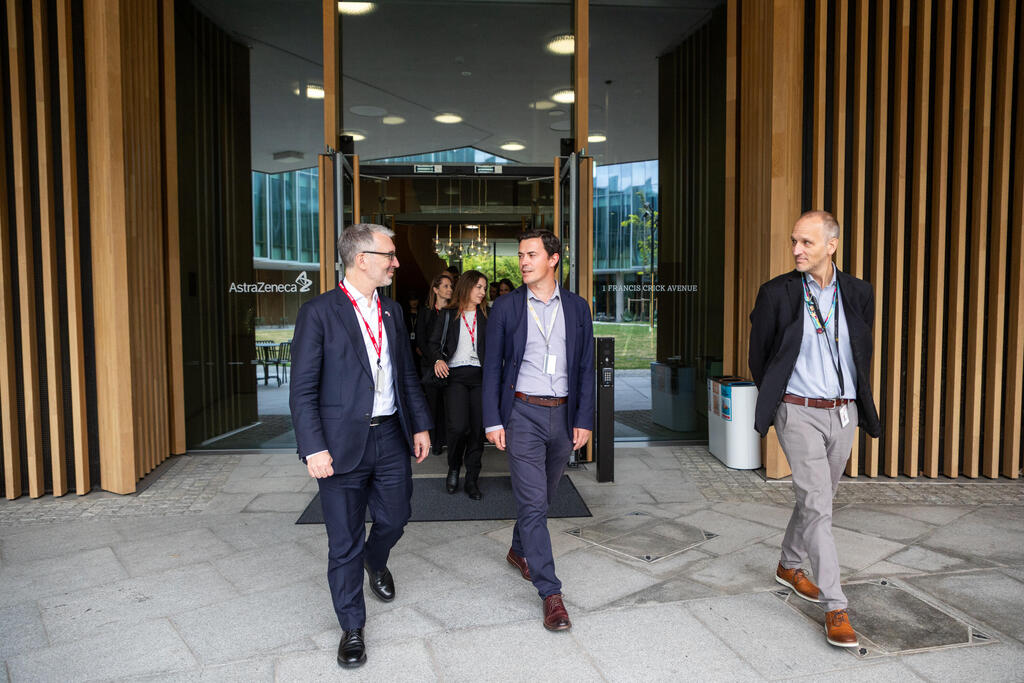
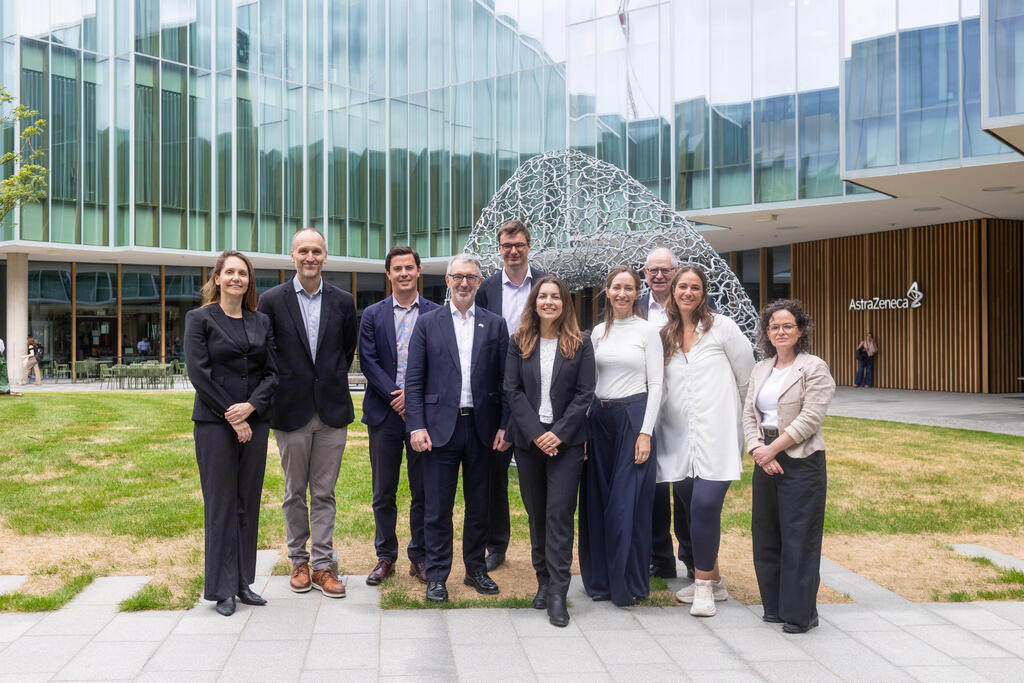
(Photo: British Embassy Tel Aviv)
“The UK and Israel are innovative nations with a shared commitment to scientific excellence, entrepreneurship and technological progress,” Walters said. “The Oxford-Cambridge Growth Corridor is home to some of the world's most exciting research institutions, businesses and investors, and there is enormous potential to deepen collaboration with Israel across science, technology, trade and investment.”
Accompanied by representatives from the Department for Business, Innovation, Science & Trade, the UK-Israel Tech Hub, the Science and Technology Network and the British Council, Walters met academics, entrepreneurs, investors and business executives across the corridor.
The visit moved beyond broad declarations of cooperation to focus on specific fields in which British and Israeli researchers and companies could work together, including genomics, biotechnology, advanced manufacturing, agricultural technology, artificial intelligence and clean technology.
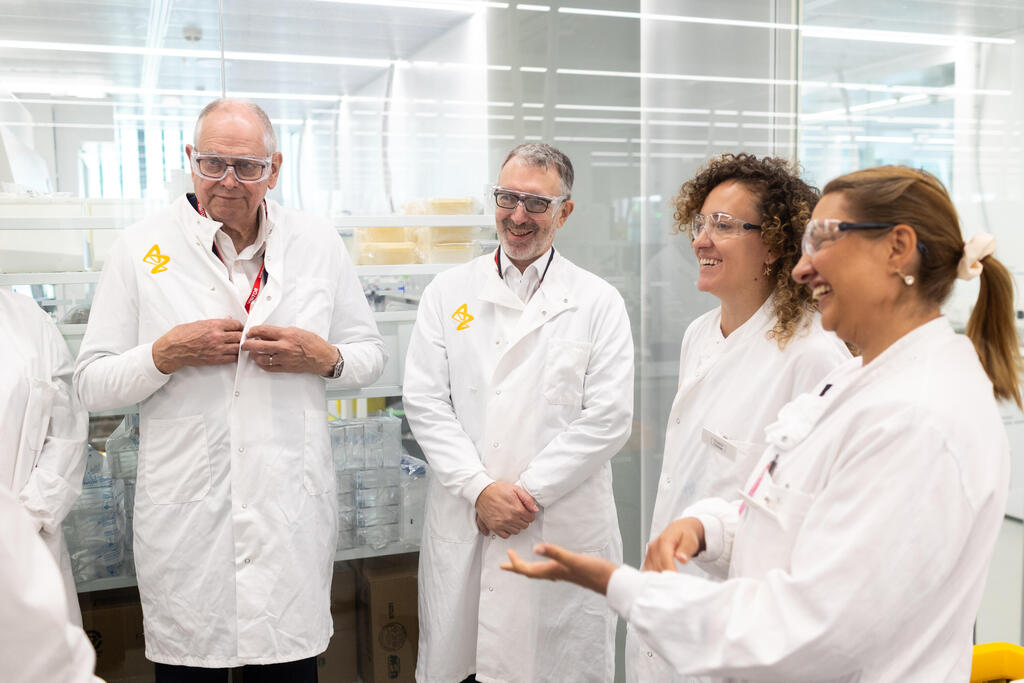
(Photo: British Embassy Tel Aviv)
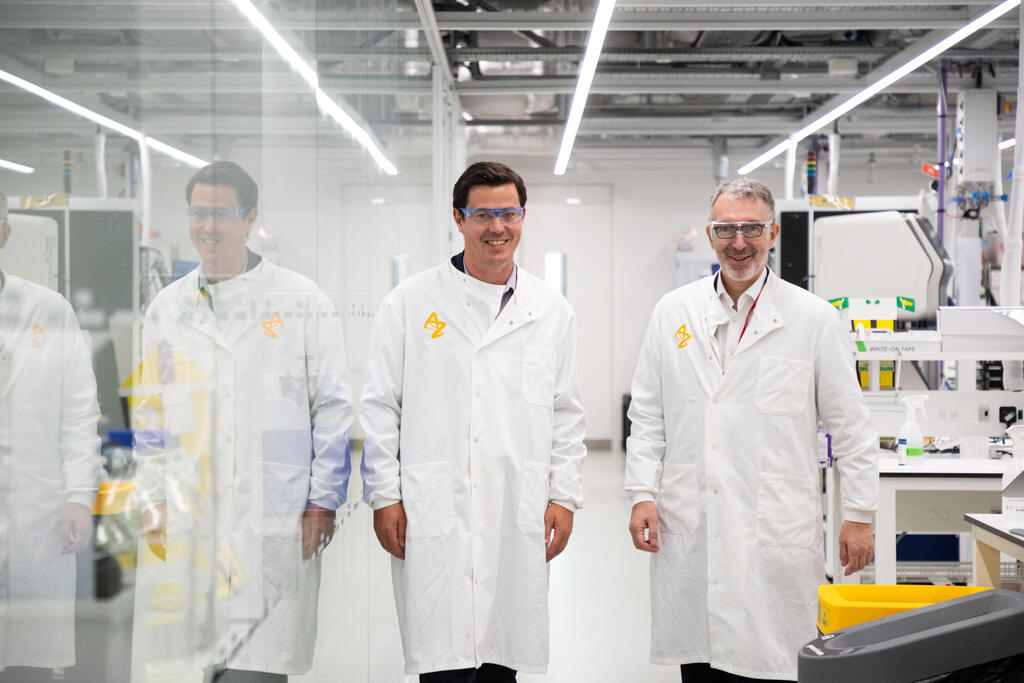
(Photo: British Embassy Tel Aviv)
In Cambridge, the delegation held talks on future cooperation in genomics and biodata, fields in which both countries have established research and innovation capabilities. Walters also met senior representatives of AstraZeneca at the pharmaceutical company's Cambridge headquarters to discuss possible cooperation in life sciences, health innovation and pharmaceutical research.
Other meetings focused on agricultural technology, including potential research partnerships aimed at developing more sustainable food systems.
The delegation also visited Modcon Systems Ltd's Cambridge facility, where company representatives presented the firm's expansion in Britain and its work in advanced industrial technologies, hydrogen applications and process optimization. The stop was intended to highlight the role Israeli investment and innovation can play in supporting growth in the UK.
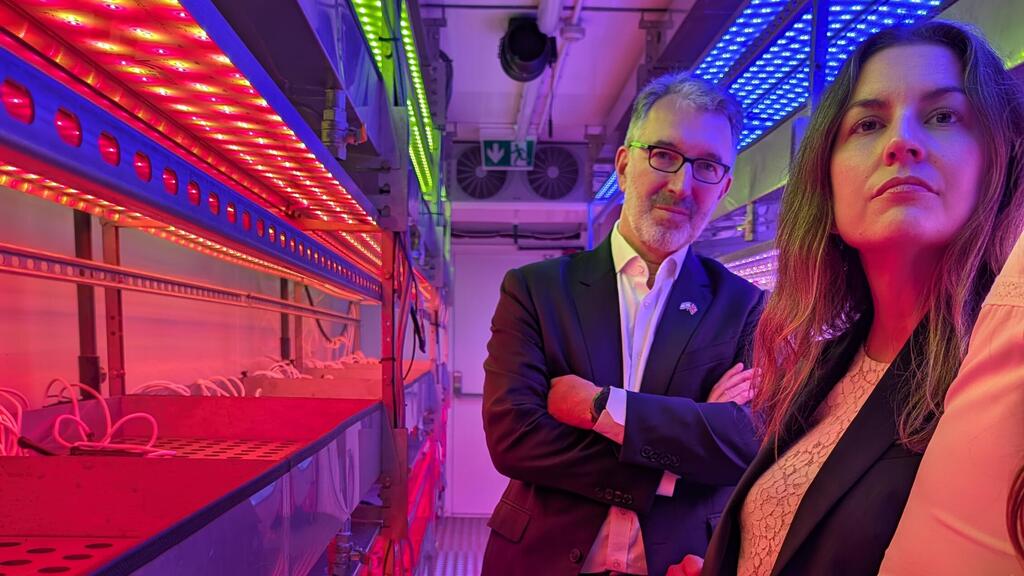
At Modcon Systems Ltd
(Photo: British Embassy Tel Aviv)
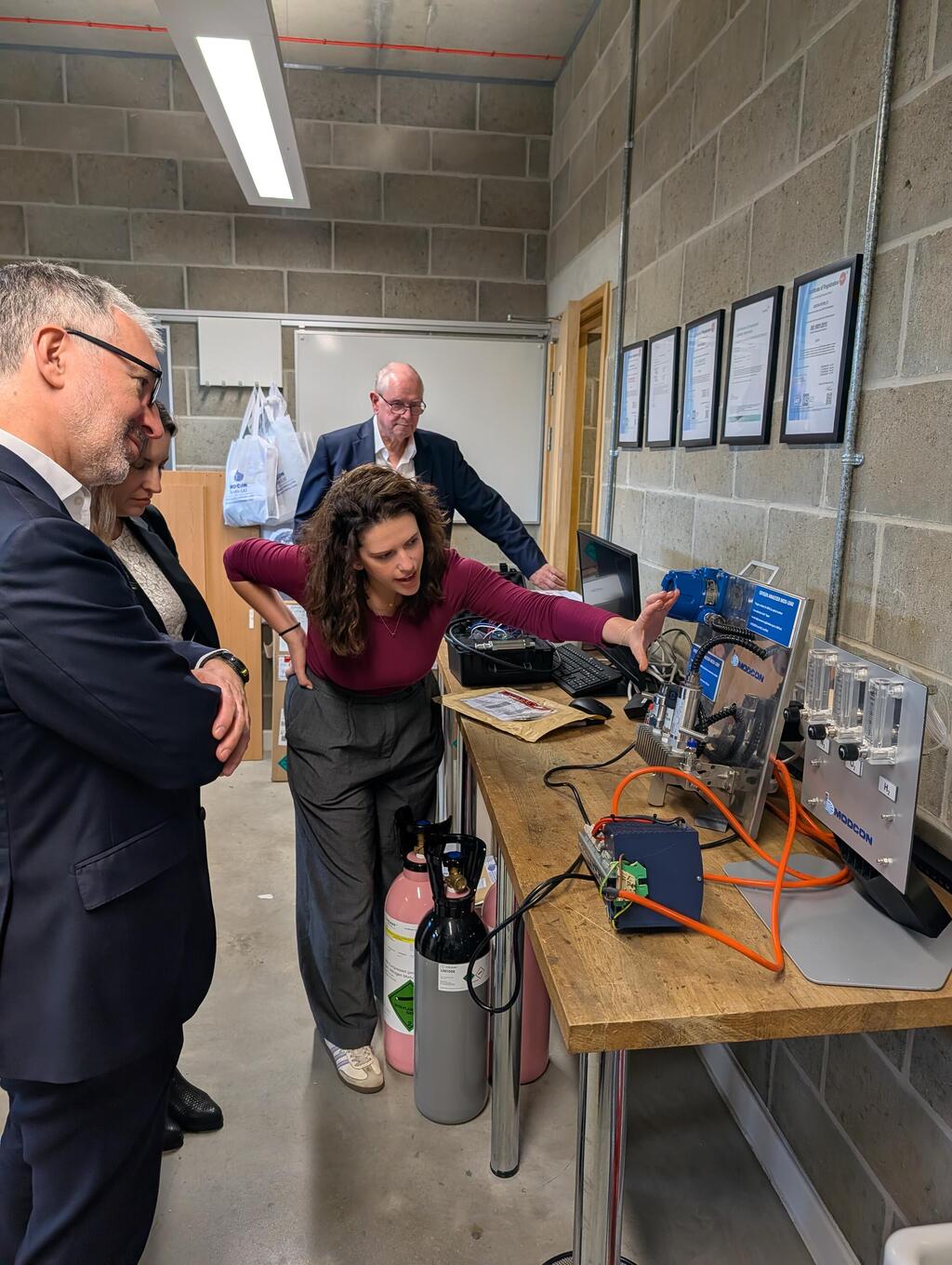
(Photo: British Embassy Tel Aviv)
Walters also held discussions with senior medical figures at the University of Cambridge about expanding bilateral biomedical research and scientific exchanges, building on existing research links between the two countries.
The visit continued in Oxford, where the ambassador met senior figures from the city's innovation ecosystem to discuss opportunities for cooperation in entrepreneurship and technology.
Walters acknowledged that the relationship is unfolding against a backdrop of political disagreements, but argued that those differences have not erased the scope for cooperation in research, business and technology.
“Despite the political differences, this visit demonstrated the strength of our partnership in these fields, and the opportunities that exist to bring together British and Israeli expertise to address global challenges, drive economic growth and support innovation that improves lives,” he said.
The visit is part of a broader British effort to maintain long-term cooperation with Israel in research, innovation, trade and investment, with both governments looking to academic institutions, technology companies and investors as avenues for continued economic and scientific ties.