

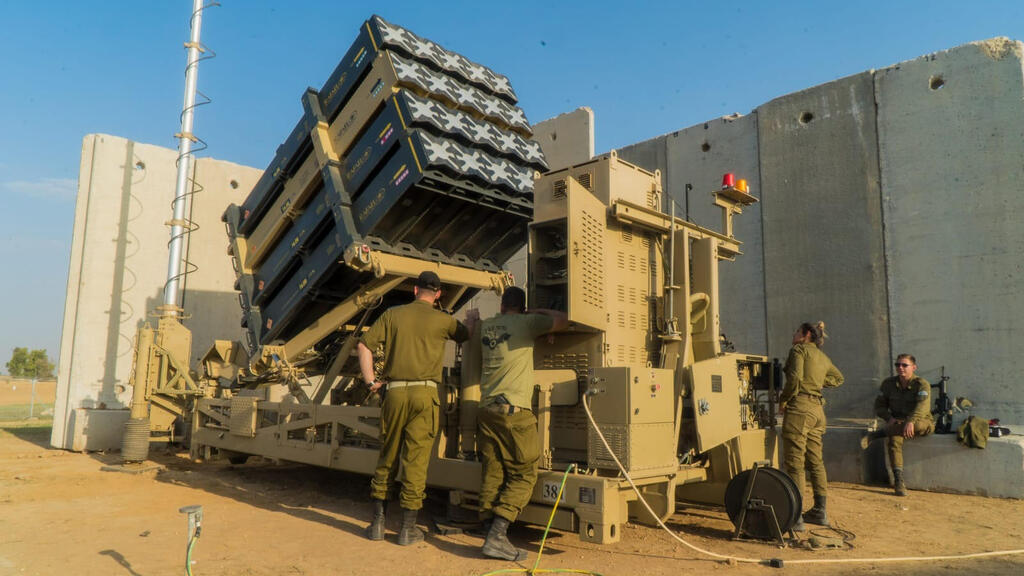
The Defense Ministry owes the three largest defense companies — Rafael, Israel Aerospace Industries and Elbit Systems — an unprecedented sum of about $3.5 billion, Calcalist has learned. The largest share is owed to Rafael, the manufacturer of the Iron Dome, David’s Sling and Iron Beam air defense systems, totaling about $1.6 billion. About $1.1 billion is owed to Israel Aerospace Industries, which produces the Arrow missile system, and about $800 million to Elbit Systems, run by Mikey Federmann.
As of last November, the Defense Ministry’s debts to companies supplying weapons and military equipment to the IDF totaled about $2.7 billion. The sharp increase in recent months is tied to accelerated procurement aimed at replenishing stocks depleted during the prolonged war and improving the military’s readiness to handle multiple challenges across various fronts. Delayed payments to major defense firms, resulting in multibillion-dollar debts, have become a common practice in recent years, characterized by extensive procurement alongside persistent budget constraints.
The 2026 defense budget stands at about $39 billion, after initially being set at about $30 billion at the start of the year. Against the backdrop of the second war with Iran, which also reignited fighting on the Hezbollah front in Lebanon, the budget was increased in March by about $8.6 billion.
The addition, approved by Prime Minister Benjamin Netanyahu despite opposition from the Finance Ministry, brought the budget to the level the Defense Ministry had demanded during discussions late last year. However, given the lack of decisive outcomes on any of the main fronts that have heavily engaged the IDF since the outbreak of the October 7 war, even the March increase has not been sufficient.
The army is deployed in security zones in southern Lebanon, in areas it captured on the Syrian side of Mount Hermon, and along the a buffer zone inside the Gaza Strip. Alongside these deployments looms the question of renewed war with Iran.
Executives in the defense industries have expressed frustration with the growing normalization of delayed payments. Defense Ministry officials say the debts will be paid in line with budget flows from the Finance Ministry. As a result, while the ministry continues to place orders for weapons the IDF urgently needs, the companies are effectively extending credit to the state.
The financial condition of the defense companies is the strongest it has ever been, bolstered by global sales amid a rapid arms race following the outbreak of the Russo-Ukrainian war in 2022. By the end of last year, the combined order backlog of Rafael, Israel Aerospace Industries and Elbit Systems stood at about $69 billion.
Israel Aerospace Industries holds the largest backlog at about $25 billion. Elbit’s backlog stood at about $24 billion and Rafael’s at about $20 billion. The bulk of these orders is expected to be realized within three to four years.
The companies’ strong financial position makes it easier for the defense establishment to continue placing new orders even when payment timelines remain unclear. Defense officials say the orders sent to the companies are “critical” to sustaining the war effort and are intended to allow production to begin, with payment issues to be resolved once additional budgets are secured.
Officials in the defense establishment place the blame on the Finance Ministry, arguing it “underfunds the defense system from the outset in an attempt to control the defense budget.”
Claims by defense officials of a “budgetary squeeze” have also surfaced in recent weeks amid procurement shortfalls involving Arrow 3 interceptors, which are designed to intercept ballistic missiles from Iran outside Israel’s territory and beyond the atmosphere. Increased production of these interceptors became possible earlier this year only after an unusual commitment by Defense Ministry Director General Amir Baram, who assured Israel Aerospace Industries that the state would repay its debt for the missiles ordered.
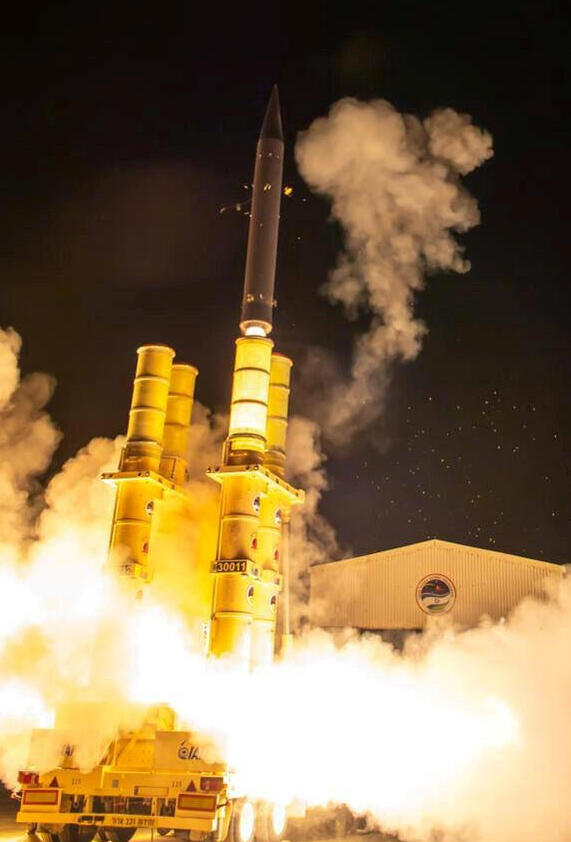
Arrow 3
(Photo: Spokesperson and Public Relations Division, Defense Ministry)
Even earlier, production of missiles needed for the air defense array was made possible by advance payments the Defense Ministry received from the German government for its purchase of the Arrow 3 system under two major deals worth a combined roughly $6.5 billion signed in recent years.
The Defense Ministry said: “The ministry is working closely with the industries to bridge the gaps, taking into account the unprecedented increase in orders and the needs of the defense establishment.”
The Finance Ministry stated: “The defense budget is managed directly by the Defense Ministry through its director general, who sets priorities within the budget. Throughout the war, the Finance Ministry enabled and funded the defense establishment’s activities that led to significant military achievements. Attempts to shift responsibility onto the Finance Ministry contradict the facts and raise questions about the ability to manage the defense economy.”