

Israel and its business sector have gone through a difficult year since the previous Independence Day. Yet some business leaders managed not only to navigate the turmoil, but to thrive within it. Several major forces reshaped the market, including Israel’s military confrontations, global geopolitical tensions and the rapid rise of artificial intelligence.
What had only a few years ago seemed like science fiction is now driving growth even in traditional industries. Electricity, a foundational infrastructure since the Industrial Revolution, has become even more in demand due to the energy needs of data centers. Real estate has surged as well, driven in part by the need for land to build server farms for AI companies, alongside continued growth in the semiconductor sector.
Gallery
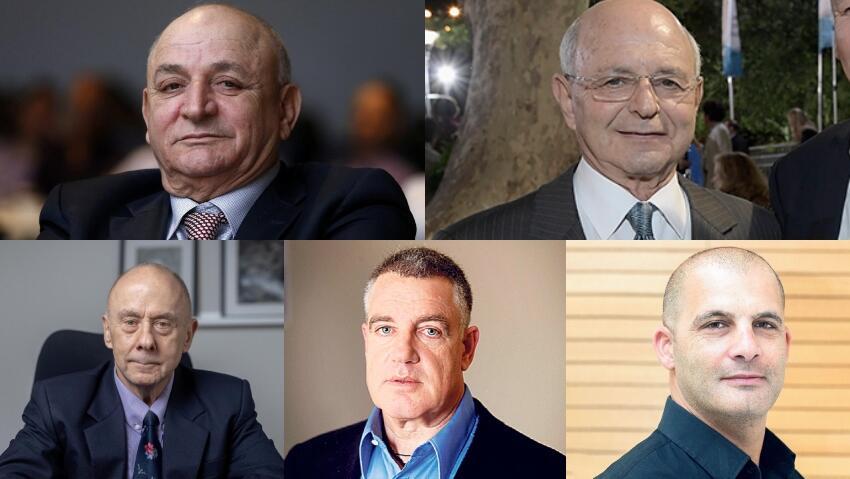
Top left, clockwise: Yitzhak Tshuva, Miki Federmann, Zahi Nahmias, Idan Ofer, Russell Ellwanger
(Photo: Amit Shaal, Bruno Charbit, Vered Pichersky, Bloomberg, Micah Brickman)
To mark Israel’s 78th Independence Day, ynet highlights five business figures who recorded some of the most notable successes. One striking common thread is their profile: all five are veteran players, most of them older, with an average age above 70. This stands in sharp contrast to the younger high-tech entrepreneurs, led by figures such as Assaf Rappaport and his partners, who recently made Israel’s largest-ever exit with the $32 billion sale of Wiz to Google.
Zahi Nahmias (55), Mega Or
In 2023, capital markets had nearly written off Zahi Nahmias, once considered a rising star in real estate, after the investment he led through Mega Or to acquire control of Discount Investment Corporation for 1.1 billion shekels ended in a loss of 700 million shekels a year later. The company was weighed down by heavy debt, while interest rates surged and asset values dropped sharply.
By 2026, Nahmias had staged a comeback. Mega Or joined the prestigious TA-35 index this week after its stock climbed 370% over the past year. Its market value is now approaching 21 billion shekels, with Nahmias’ stake worth about 5 billion shekels.
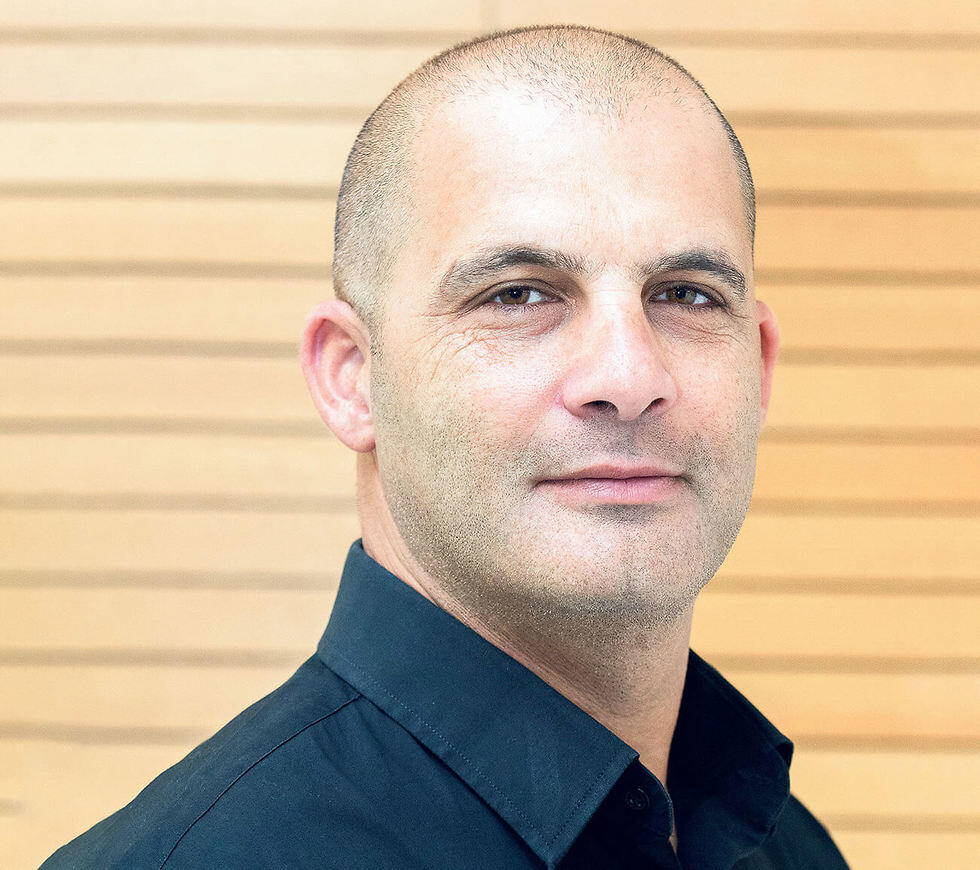
Zahi Nahmias
Nahmias once again demonstrated an ability to identify shifting trends early and respond quickly. A large part of the turnaround is tied to the AI boom. Over the past two to three years, as tools like ChatGPT entered daily life, Nahmias moved into the emerging field of building and leasing server farms required by major tech companies.
Previously, his success stemmed from early recognition of demand for logistics centers during the e-commerce boom, a sector that still forms the core of Mega Or’s activity. This time, he prepared land under his control for AI use, securing electricity connections and permits. Over the past year, Mega Or signed three deals with major tech companies, Google, Nvidia and Nebius, to build server farms worth 2 billion shekels. It also acquired land in Hadera, formerly home to the Alliance tire factory, for 1 billion shekels in cash, intended for future data center development.
Idan Ofer (70), OPC Energy
OPC Energy, controlled by Idan Ofer, is the largest publicly traded private electricity producer of its kind and is also benefiting from the AI boom. The company operates four natural gas power stations in Israel and six in the United States, supplying about 10% of Israel’s electricity consumption.
The company’s CEO has said that 60% of the increase in electricity demand in the U.S. came from AI companies, which have become the main driver of demand.
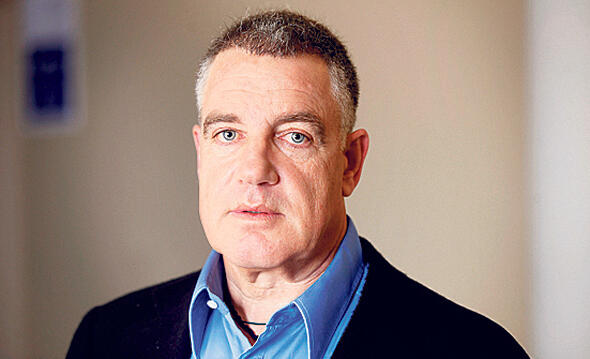
Idan Ofer
(Photo: Bloomberg)
Founded in 2010, OPC built its power stations before the explosion of AI demand, whether through foresight or timing. Its shares have become highly sought after amid expectations of rising electricity consumption. Over the past year, the stock rose 250%, reaching a record market value of 36.5 billion shekels and entering the TA-35 index.
Ofer was recently ranked by Forbes as the richest Israeli in the world, with an estimated net worth of $34.6 billion, placing him 61st globally.
Russell Ellwanger (71), Tower Semiconductor
Tower Semiconductor, formerly controlled by Idan Ofer and now without a controlling shareholder, is another company that faced doubts about its survival in the past. Over the past year, however, it has reached new highs, largely due to AI demand. Its stock surged 418% after a difficult 2023, when a planned sale to Intel collapsed and its value was cut in half.
Today, Tower is the third most valuable Israeli stock on Wall Street, with a market value of about $18 billion, surpassing Check Point. The surge is largely tied to its push into silicon photonics chips for data centers, which now account for about 20% of its sales, with production capacity expected to grow fivefold.
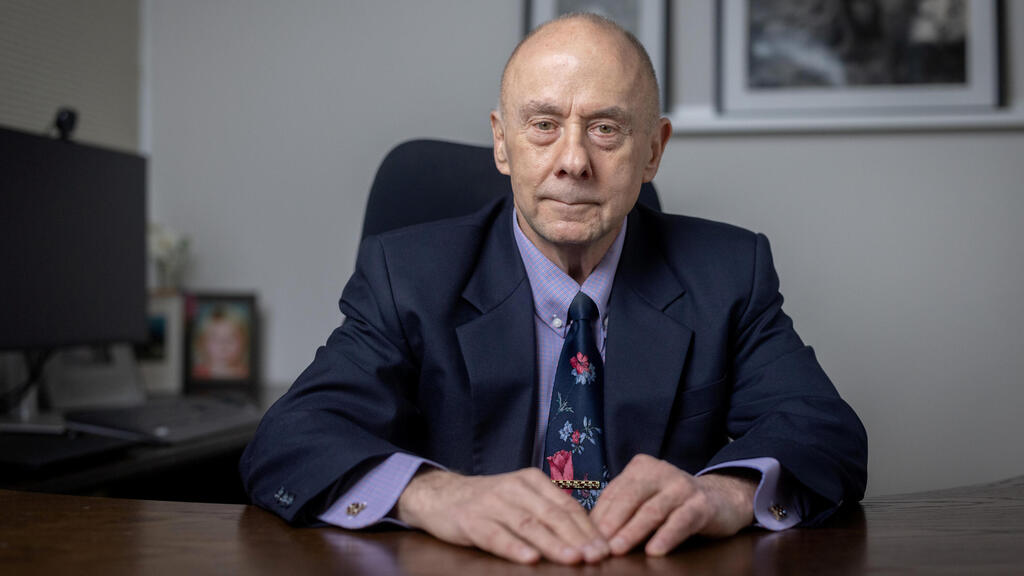
Russell Ellwanger
(Photo: Micah Brickman)
These chips use light, rather than only electrical signals, to transfer data at high speeds while consuming less energy, helping reduce data center costs. The field has attracted strong investor interest as a key growth area in AI.
One of Tower’s peak moments this year came in February, when it announced a partnership with Nvidia to supply photonics chips for high-speed communication systems in its data centers. The company also unveiled new technology related to power management in data centers, where energy consumption remains a major challenge.
Ellwanger, an American based in Caesarea, took over the company in 2005 with $500 million in debt and uncertainty about its future. He identified the potential of photonics early, invested heavily and positioned the company ahead of competitors. Today, Tower supplies chips to eight of the world’s 10 largest manufacturers. In 2025, it reported record revenue of $1.6 billion, up 9%, and net profit of $220 million, up 6%.
Yitzhak Tshuva (78), Delek Group
Yitzhak Tshuva, often dubbed a “phoenix” for Delek Group’s recovery after the oil price collapse during the COVID-19 pandemic, has reached a new peak at age 78.
After focusing in recent years on energy, Tshuva has returned to finance, a sector he exited in 2014 when he sold his holdings in Phoenix Insurance due to regulatory requirements.
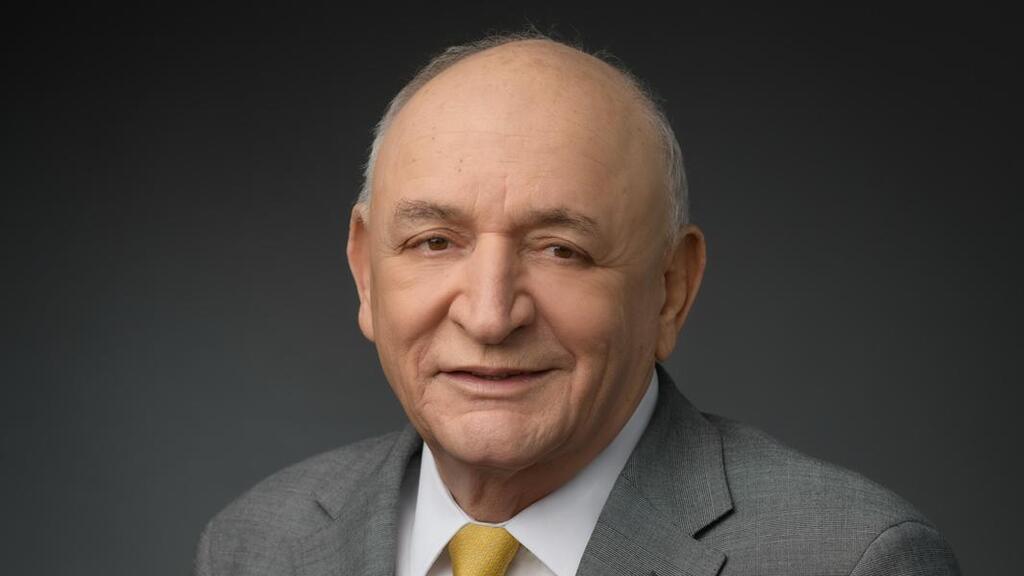
Yitzhak Tshuva
This year, Delek, led by CEO Idan Wallis, launched an aggressive acquisition campaign aimed at challenging Israel’s traditional banks. Tshuva acquired a 40% stake in Isracard, the country’s largest credit card company, for 1.3 billion shekels.
Shortly afterward, through Isracard, he acquired the Fly Card credit card operation tied to El Al’s frequent flyer program, with about 500,000 cardholders, in a deal worth about 1.3 billion shekels over 10 years.
In another move, Delek acquired “Ash,” the digital bank founded by Nir Zuk, in a deal estimated at 500 million shekels, along with an additional 120 million shekels investment in eOS, the technology platform behind the bank. Tshuva aims to combine digital banking capabilities with Isracard’s payment infrastructure to compete with traditional banks.
At the same time, Delek is in talks to acquire Blink, a stock trading app popular among younger users, as part of expanding financial services through Isracard. Tshuva appears intent on building a full-scale financial platform, either through regulatory approval allowing credit card companies to provide banking services or by transforming Isracard into a broader financial entity.
Michael Federmann (83), Elbit Systems
Elbit Systems, controlled by Michael Federmann and led by CEO Bezhalel Machlis, made history this year by becoming the top company in the TA-35 index. It now has the highest market value on the Tel Aviv Stock Exchange at 122 billion shekels, surpassing Teva and the major banks. Over the past 12 months, its stock has risen 70%.
War and global geopolitical tensions have boosted defense companies, with Elbit at the forefront. The company holds a record order backlog of $28 billion and reported annual revenue of $8 billion. Among its future projects is a laser-based missile interception system that has not yet reached full operational deployment.
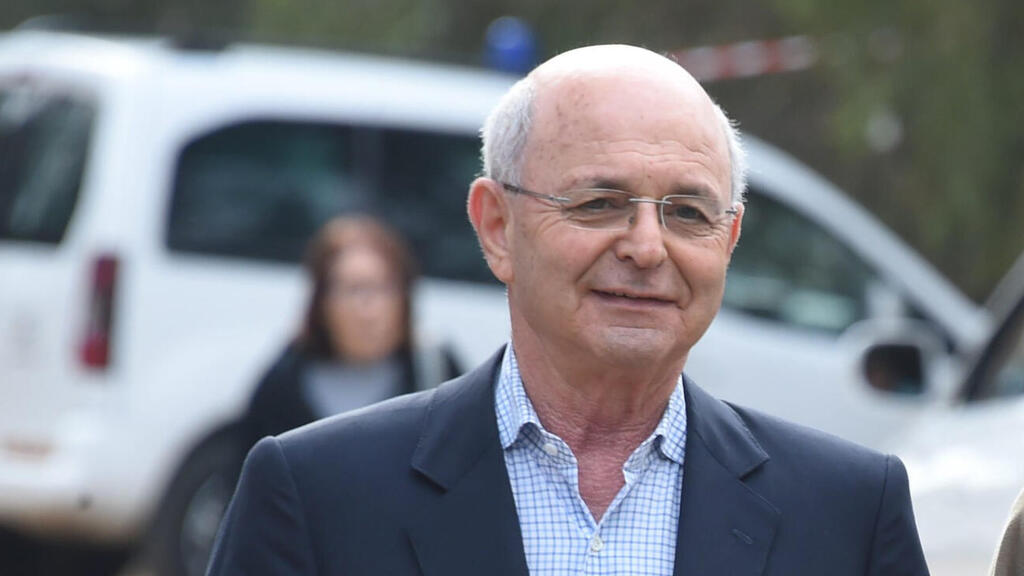
Michael Federmann
(Photo: Yair Sagi)
Federmann, 83, controls 41.5% of Elbit together with his children and his sister Irit, alongside the family’s ownership of Dan Hotels. In 1992, the family acquired full ownership of El-Op for $20 million, which later merged into Elbit Systems.
Federmann, who originally built Dan Hotels and had no background in defense, likely did not anticipate becoming the owner of Israel’s largest defense manufacturer. Today, Elbit’s products, from rocket and artillery systems to drones and missile defense technologies, are in high demand worldwide.
This year, Elbit signed the largest deal in its history, a $2.3 billion contract to supply weapons systems to an undisclosed international client. According to Forbes, Federmann’s net worth stands at $11.3 billion. Three years ago, he passed the role of chairman to his son.