

At first glance, 2026 looks like another strong year for the Tel Aviv Stock Exchange. The major indexes are firmly higher, led by a 16.8% rise in the TA-35 and an 11.9% gain in the TA-125.
But that headline performance tells only part of the story. Of the 126 companies currently included in the TA-125, 67 have actually fallen since the start of the year. The TA-90, which includes many of Israel’s second-tier companies, is down 3.6%.
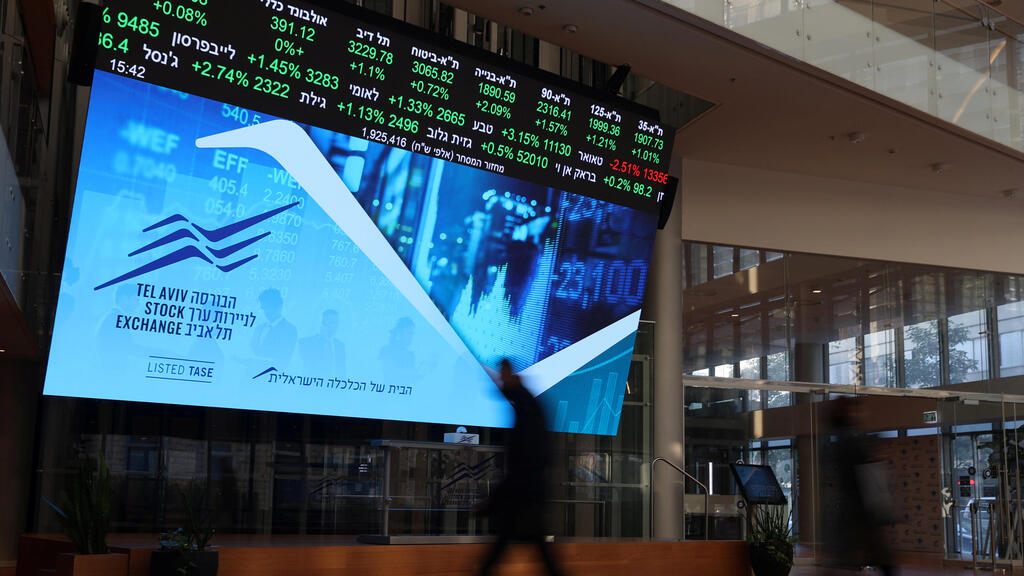
Tel Aviv Stock Exchange
(Photo: Orel Cohen)
The reason is simple: stock indexes do not give every company equal weight. A handful of large companies can therefore push an entire index higher even while most of its individual stocks are falling.
That is exactly what has happened this year. Tower Semiconductor has surged 83% and alone contributed about 3.5 percentage points to the TA-35’s gain. Phoenix Holdings is up 43%, while Teva, Elbit Systems and Harel Insurance have also made major contributions. Together, just five stocks account for nearly 10 percentage points of the index’s rise.
The contrast becomes even clearer when looking at an equal-weight version of the TA-35, in which every company has similar influence. That index has gained only 1% this year.
Meanwhile, many smaller companies have struggled. Energean and Amot have fallen nearly 20%, Equital has lost about a third of its value, Electra Real Estate has dropped more than 60% and Gilat Satellite Networks is down 26.4%.
Much of the divide reflects the sectors represented in the different parts of the market. Banks and insurers, which carry significant weight among Israel’s largest companies, have performed strongly. The TA-Insurance index is up more than 44% this year.
By contrast, the weaker part of the market contains more real estate and renewable-energy companies, sectors that have been particularly sensitive to high interest rates. Residential real estate has been sluggish for more than a year, while the office market has also faced pressure from high-tech layoffs and excess supply.
Lior Vaks, CEO of Infinity Portfolio Management, believes the momentum still favors the larger companies. “I would still focus specifically on the leading indices,” he said, arguing that banks continue to benefit from the strength of the Israeli economy while insurers gain from rising capital markets.
Eyal Shina, vice president of investments at Pasternak Shoham, sees the growing valuation gap differently. He argues that the sharp divergence has made some of the lagging companies increasingly interesting.
That leaves the Tel Aviv market in an unusual position: the indexes suggest a broad rally, but underneath them the market is sharply divided. A small group of heavyweight winners is doing much of the lifting, while large parts of the exchange have yet to join the rise.