

One month after the outbreak of war with Iran, the economic diversification hopes that had defined Gulf states in recent years have given way to a harsher reality.
While global attention remains focused on energy prices in London and New York, policymakers in the Gulf are confronting a deeper problem. The damage is not limited to the price of oil. For the region’s three economic powerhouses, Saudi Arabia, the United Arab Emirates and Qatar, the past month has exposed the limits of economic strength and the fragility of export infrastructure.
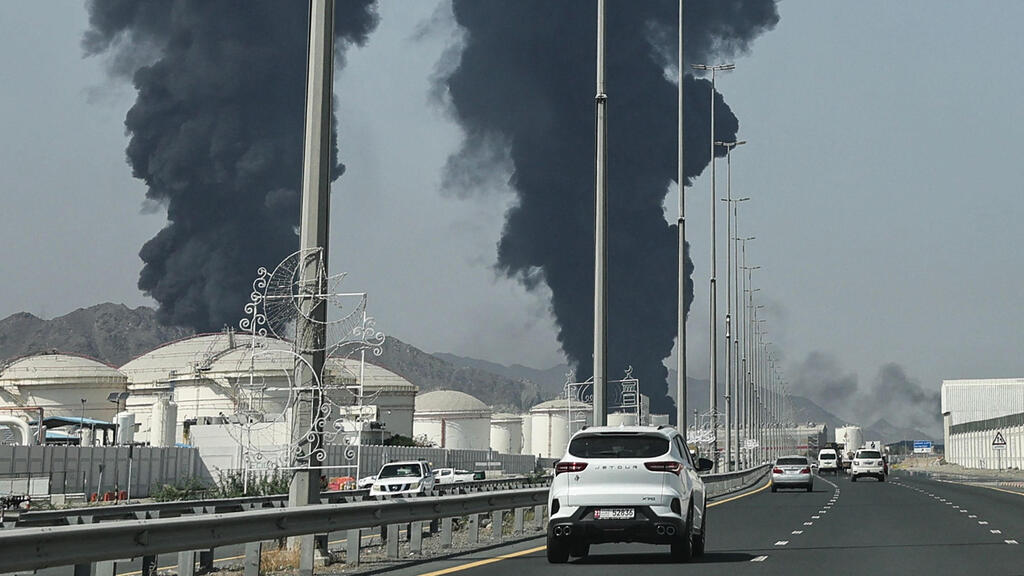
Although no official report has yet consolidated the total losses, cross-referenced data points to a troubling picture. The three countries alone have already suffered direct and indirect damage estimated at $20 billion to $25 billion. This reflects not only lost revenue, but also a crack in the Gulf’s most valuable economic asset, its reputation for stability in an era of uncertainty.
At the heart of the crisis is the severe disruption in the Strait of Hormuz, the critical artery through which roughly one-fifth of global oil consumption typically passes. Traffic through the strait has plunged from about 20 million barrels per day to less than 10% of its normal volume, triggering a domino effect that has choked regional supply chains.
According to estimates by the International Energy Agency, Gulf states have been forced to cut a combined 10 million barrels per day from planned production. The logistical bottleneck has exposed the region’s dependence on narrow shipping routes and underscored that even the world’s wealthiest economies are not immune to geopolitical paralysis.
Saudi Arabia: still dependent on oil
In Saudi Arabia, the region’s largest and most influential economy, the economic blow is most visible in the energy sector. The kingdom was forced to cut oil production from 10.4 million barrels per day in February to just 8 million in March.
With Brent crude trading at about $113 per barrel, this translates into a gross revenue loss of more than $8 billion in a single month from crude oil alone. When factoring in the shutdown of the Juaymah LPG export terminal and soaring insurance and shipping costs, Saudi Arabia’s total losses in the first month climb to about $10 billion.
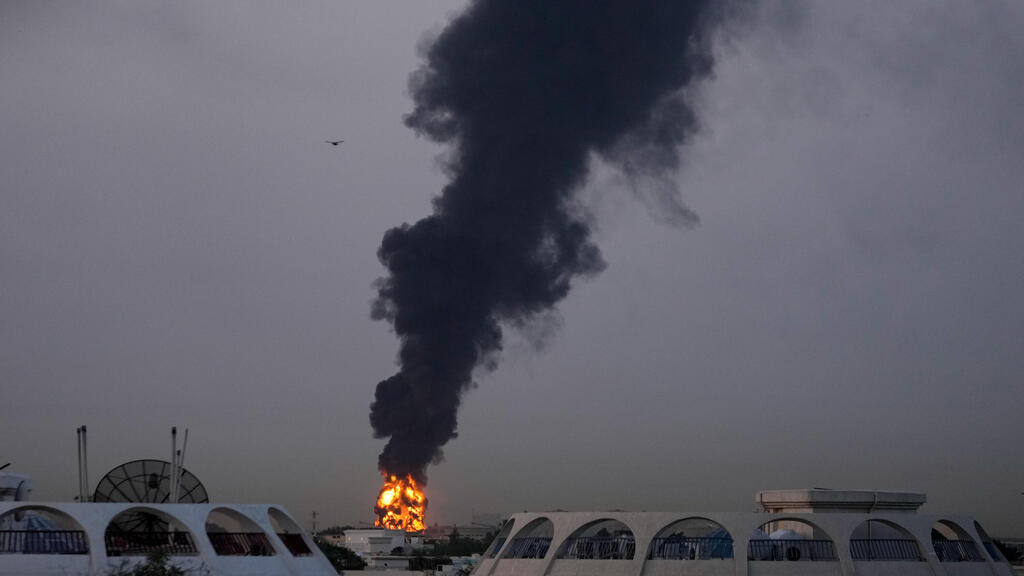
Iranian strike at Dubai airport
(Photo: AP)
At the same time, the kingdom’s long-term investments in alternative export infrastructure have proven critical. The ability to ramp up shipments through the Red Sea port of Yanbu, which reached a capacity of about 5 million barrels per day by the end of March, has acted as a safety valve, preventing a complete collapse in cash flow.
Still, operational resilience does not equal economic immunity. Saudi Arabia’s 2026 budget was already built on a projected deficit of about $44 billion, or roughly 3.3% of GDP, with public debt expected to rise to around $430 billion.
Despite Crown Prince Mohammed bin Salman’s push to diversify the economy under Vision 2030, oil still accounts for about 54% of state revenues. Each additional month of fighting forces Riyadh to choose between slowing its ambitious megaprojects or increasing borrowing on international markets to avoid rapidly depleting its sovereign wealth reserves.
United Arab Emirates: aviation takes the hit
In the United Arab Emirates, the picture is more complex. While direct losses from oil production are smaller than in Saudi Arabia, estimated at about $3 billion in the first month, the real damage lies in the country’s economic model.
Dubai and Abu Dhabi have built their global status on aviation, logistics and trade, sectors now under severe strain. Data from national carriers highlights the scale of disruption. Emirates has returned to only about 75% of its normal capacity, while Etihad is operating at roughly half capacity and low-cost carrier flydubai has dropped to just one-third.
Given that these airlines generate tens of billions of dollars annually, the direct hit to the aviation sector alone is estimated at $1.5 billion to $2.5 billion in the first month of the war.
When adding the collapse in inbound tourism, cancellations of international conferences and major disruptions at the strategic port of Fujairah, located outside the Strait of Hormuz, the UAE’s total losses are estimated at about $6 billion.
While less exposed than Qatar in energy, the UAE is far more vulnerable to shocks in services and trade, the very sectors underpinning its diversification strategy.
Qatar: shock spreads to financial markets
The most severe case appears to be Qatar. For the small but wealthy emirate, the war is not just a logistical disruption but a direct blow to its core economic lifeline, liquefied natural gas exports.
A dramatic announcement by QatarEnergy to halt production and declare force majeure marked the beginning of a crisis that could last years. The company’s chief executive said the damage to infrastructure has erased about 17% of the country’s annual export capacity, translating into revenue losses of roughly $20 billion over three to five years.
Qatar relies on oil and gas for nearly 80% of its revenues. At the same time, Qatar Airways was nearly paralyzed, operating at just 20% of capacity at the peak of the crisis, adding losses estimated at $5 billion to $8 billion in the first month alone.
The shock quickly spilled into financial markets. The Qatari stock exchange has lost about $13 billion in value since the war began, as foreign institutional investors rushed to exit positions. The main index fell more than 8% over the month, reflecting investor anxiety over damage to LNG infrastructure.
This financial blow is testing the ability of the central bank in Doha to support the local currency and maintain confidence in the banking system.
Wealth funds offer a cushion, not a cure
Despite the bleak outlook, the three countries retain a powerful financial buffer in their sovereign wealth funds. Saudi Arabia’s Public Investment Fund manages about $915 billion, Abu Dhabi’s funds hold more than $900 billion and Qatar’s sovereign fund controls roughly $580 billion.
These funds are designed for precisely such crises, enabling governments to stabilize banks, support state-owned companies and finance essential imports even as export revenues decline.
However, they are not a quick fix. Much of these assets are tied up in long-term investments in global real estate, technology companies and infrastructure, making rapid liquidation difficult without significant losses.
As a result, Gulf states are likely to turn increasingly to debt markets. Saudi Arabia is expected to accelerate bond and sukuk issuance to finance its spending plans. The UAE, benefiting from strong credit ratings, can secure financing on relatively favorable terms. Qatar, by contrast, may rely more heavily on domestic liquidity from its sovereign fund to cover budget gaps created by prolonged disruptions in gas production.
After the first month of war, the contours of the damage are becoming clearer. Saudi Arabia has suffered the largest losses in absolute terms but retains the strongest capacity to recover operationally, assuming its alternative export routes remain secure.
The UAE has absorbed a less severe hit to energy revenues but a far more painful blow to its diversified economic model. Qatar emerges as the most strategically affected, facing long-term damage to its core infrastructure.
The Gulf’s immense wealth, which has already taken a hit of about 1% of GDP, will likely allow these economies to weather the crisis and avoid broader panic. But it will not quickly restore the sense of economic momentum that defined the region over the past decade.