

Sixty-seven years after it was founded, and 50 years after neighboring Australia got its first store, IKEA has finally arrived in New Zealand. The far-flung island nation was among the last developed countries without an outpost of the Swedish furniture giant.
The opening was announced back in 2018, but it took several more years for the doors to actually swing open, setting off a wave of excitement. By 9 a.m., long lines had formed outside the entrance. The official opening was scheduled for 11 a.m., and traffic police worked to prevent massive jams and direct cars to remote parking lots. Some enthusiastic shoppers showed up as early as 4 a.m.
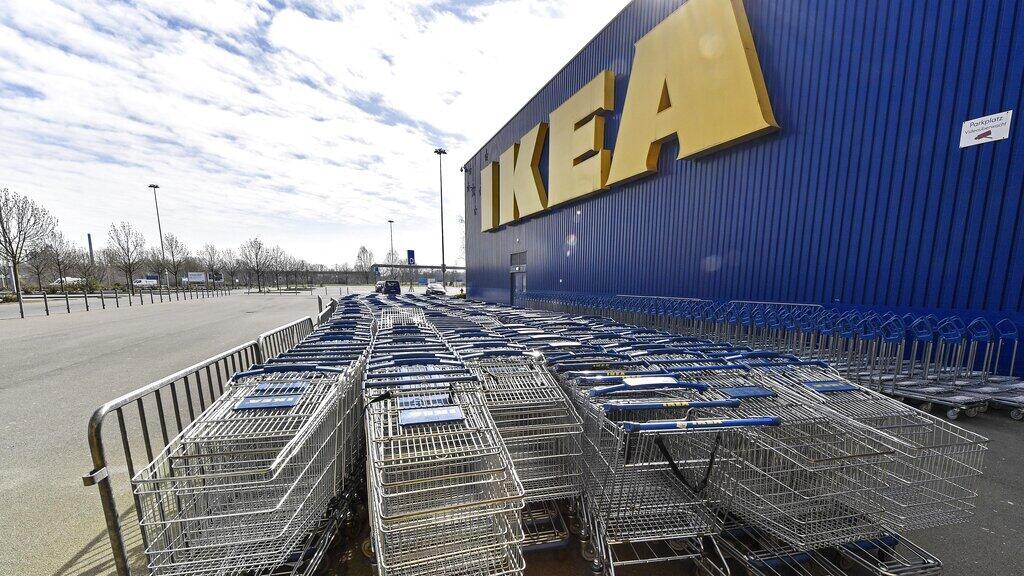
"I’ve been waiting for this for decades," one shopper told The Guardian. "I moved here from Germany and I know IKEA well. Every room of my childhood was furnished with their things." Another shopper complained that "New Zealand is always last on the list to get anything. Every other country gets things, but companies think, ‘Oh, they’re small and way down there.’ But here they are. I’m thrilled."
The opening is a significant moment for a country dealing with a sharp cost of living crisis. IKEA’s global message of affordable prices is arriving right as household budgets are under pressure, with Black Friday spending down 4% to 6% compared with last year.
Eager to project optimism about the economy, Prime Minister Christopher Luxon came to cut the ribbon. When the doors opened, Luxon, who was supposed to be the first customer, was upstaged by a faster shopper.
After the initial rush, Luxon denied that the opening was a slap in the face to local small businesses, many of which are struggling in New Zealand’s sluggish economy. He told reporters it was "great for competition and great for consumers," and said he was confident local businesses would "stand up and compete."
IKEA’s first store opened in Sweden in 1958. The chain now operates in more than 60 markets and reported 44.6 billion euros in sales in fiscal 2025. Mirja Viinanen, chief executive and chief sustainability officer for IKEA Australia and New Zealand, told CNN the New Zealand launch is part of IKEA’s expansion plan in the Asia-Pacific region. Beyond the big-box stores IKEA is known for, the company plans additional smaller-format outlets to make shopping easier in less populated areas, Viinanen said.
What flew off the shelves on day one?
Local media reported that more than 18,000 people visited the new store at Sylvia Park in Auckland on its first day, and shoppers did not waste time filling their carts. The day’s top seller was IKEA’s iconic blue FRAKTA tote bag, with 4,200 snapped up, making the $1 bag the best-selling item among New Zealand customers.
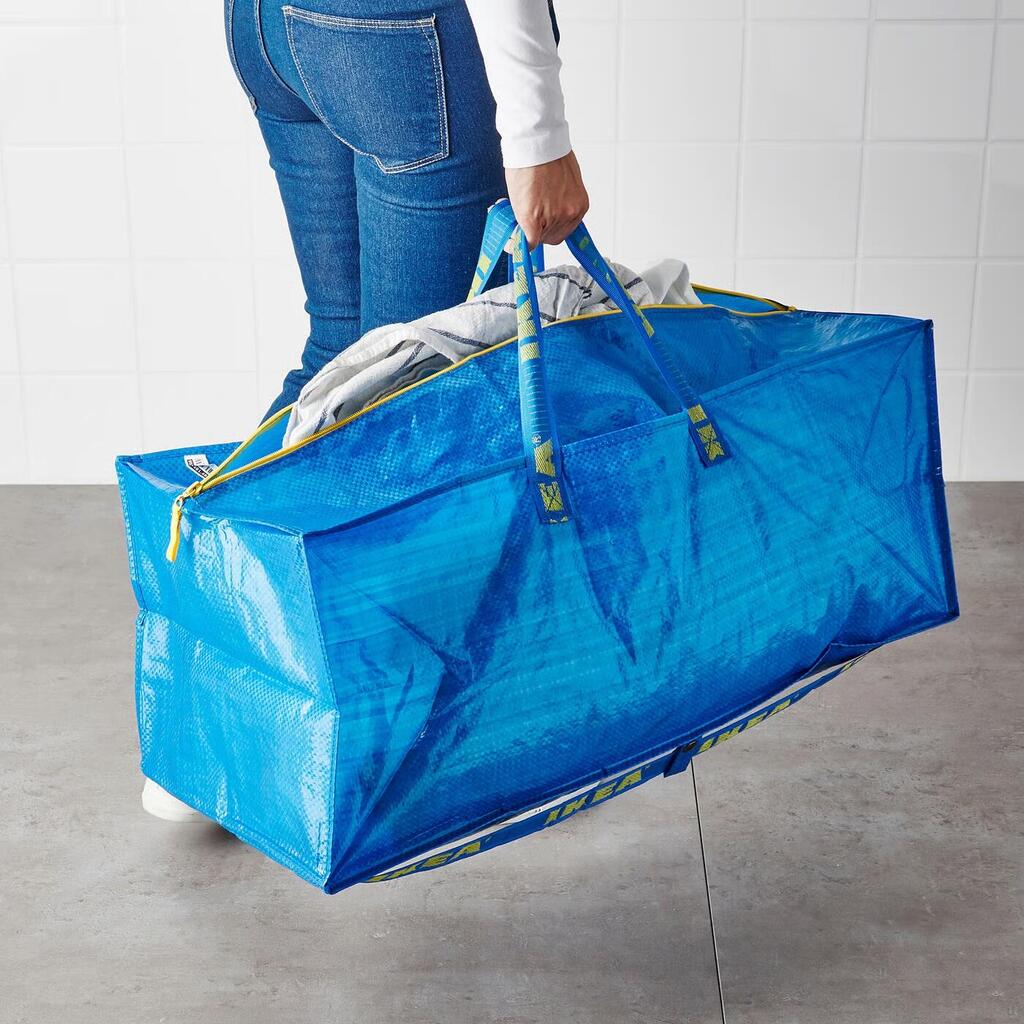
An IKEA bag, some 4,200 were sold on opening day
(Photo: IKEA)
Favorite furniture purchases included the white BILLY bookcase, IKEA’s longtime global best-seller, which was also the first item bought when the doors opened. Other popular products from the Swedish retailer included the KALLAX shelving unit, the LACK side table and the GREJIG shoe rack in red and gray.
Opening day was also a win for IKEA’s famous food offerings, with the Swedish restaurant and bistro described as "consistently full throughout the day and evening." More than 1,200 IKEA hot dogs were sold, and nearly 50,000 meatballs were eaten by New Zealanders eager to try the chain’s signature dish.
IKEA’s entry into New Zealand is expected to reshape the local retail landscape. Domestic competitors may be pushed to innovate to protect market share. The presence of such a global player is likely to intensify competition, leading to better prices and more options for consumers. Local analysts predict IKEA’s arrival could further stimulate the retail economy and potentially add about 50 million New Zealand dollars a year in direct economic activity.