

By the age of 28, Ezra Gardner was already managing a $30 billion long-short equity desk at UBS, making him one of the youngest desk heads in the bank’s history.
It was an unusually rapid rise through the upper ranks of Wall Street. Gardner had previously worked at JPMorgan and later at Michael Dell’s family office before gradually shifting much of his attention toward Israeli technology companies and the question of how they connect to American capital markets.
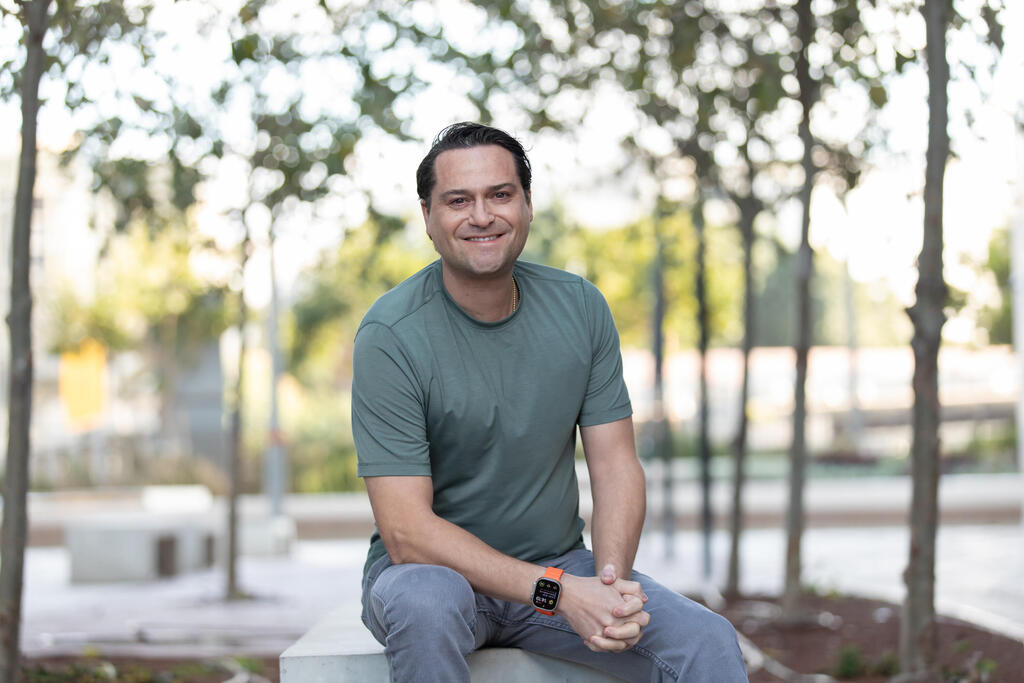
Today, Gardner operates at the intersection of those two worlds. As co-founder of Varana Capital and CEO of Gesher Acquisition Corp., the SPAC that merged with Israeli logistics technology company Freightos, Gardner became increasingly associated with efforts to help Israeli companies access U.S. public markets and build relationships with American institutional investors.
That strategy later expanded through Gesher Acquisition Corp. II, another Nasdaq-listed SPAC focused on Israeli and internationally active technology companies in sectors including AI infrastructure, robotics and industrial technologies.
For Gardner, those moves reflected a broader view that Israeli startups need to think earlier not only about venture capital, but also about governance, public-market readiness and long-term positioning inside the American financial ecosystem.
At 30, Gardner moved to Israel, a decision that gradually reshaped the direction of his investment activity. Over time, Gardner, and later, Varana Capital (which Gardner co-founded) strengthened focus on deeptech in sectors including agritech, AI infrastructure, semiconductors, robotics, energy and defense-related technologies.
Gardner argues that global investors are beginning to reassess which technologies and ecosystems matter in a world increasingly shaped by geopolitical competition, infrastructure constraints and national-security priorities.
He believes capital markets are gradually shifting away from an era dominated primarily by efficiency and globalization toward one increasingly shaped by resilience, infrastructure and technological sovereignty. In that environment, Gardner says, Israel’s technology sector may be positioned differently than many investors still assume.
“This is now the start of the Kennedy era for the Israeli tech ecosystem,” Gardner says, referring not to nostalgia, but to a period in which technological leadership becomes more closely tied to national priorities, industrial policy and public-private cooperation.
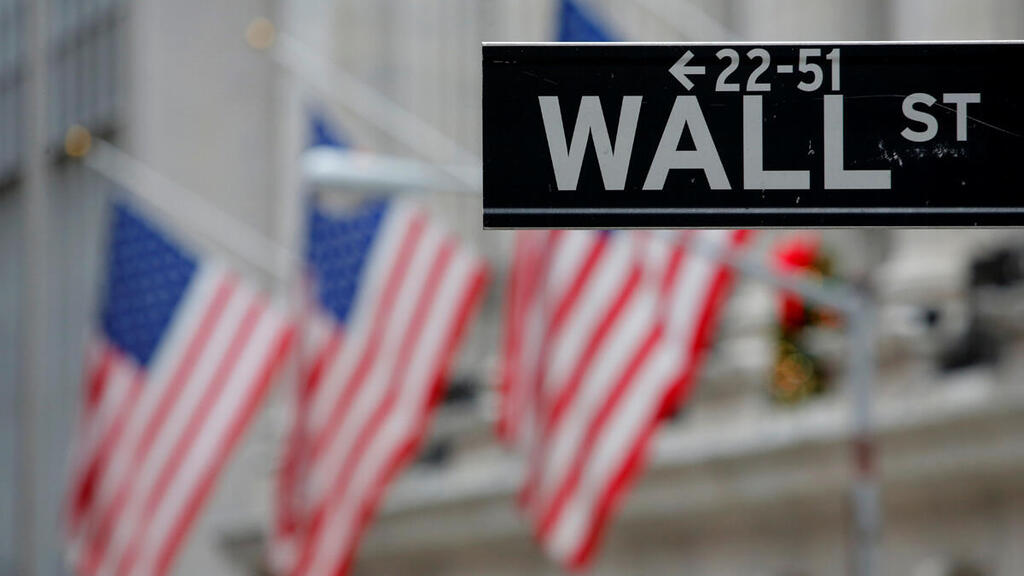
(Photo: Reuters)
In his view, the companies positioned to benefit most from that shift will not necessarily be those raising the largest venture rounds, but those capable of integrating into the American financial and strategic ecosystem - building relationships with U.S. customers, infrastructure partners and eventually public-market investors.
Gardner has also spoken about what he sees as a widening perception gap between Israel’s image abroad and the operational reality inside the country’s technology sector. According to Gardner, many foreign investors continue to evaluate Israel primarily through geopolitical headlines rather than through operating fundamentals. He believes that gap is becoming increasingly visible in the differing approaches taken by European and American investors.
Some European investors, facing political pressure around Israeli exposure, have become more cautious toward the market, Gardner argues. At the same time, certain American investors and strategic buyers appear to be paying closer attention to Israeli companies involved in cybersecurity, AI infrastructure and defense-related technologies.
Whether that shift develops into a larger long-term trend remains uncertain. Israel’s technology sector still faces political instability, investor caution and ongoing geopolitical risk. But Gardner’s broader argument is that global markets are entering a period in which cyber defense, AI infrastructure, semiconductors and industrial resilience are becoming more central economic and strategic priorities.
If that transition continues, he believes Israel may increasingly be viewed not only as a startup ecosystem, but as a strategic technology partner tied more closely to American capital markets and national priorities.