

Israeli farmers are suffering losses amounting to NIS tens of millions due to severe disruptions in agricultural exports, and are demanding immediate assistance from the Finance Ministry. The hardest-hit sector is fresh herb cultivation, followed by citrus, avocado and industrial vegetables.
Ezra Bechar, acting director general of the Plant Production and Marketing Board, appealed to the government for urgent support. “Just as farmers protect us and ensure our food supply, the State of Israel must ensure they are compensated and not harmed economically. This is the time to act, before it is too late,” he said.
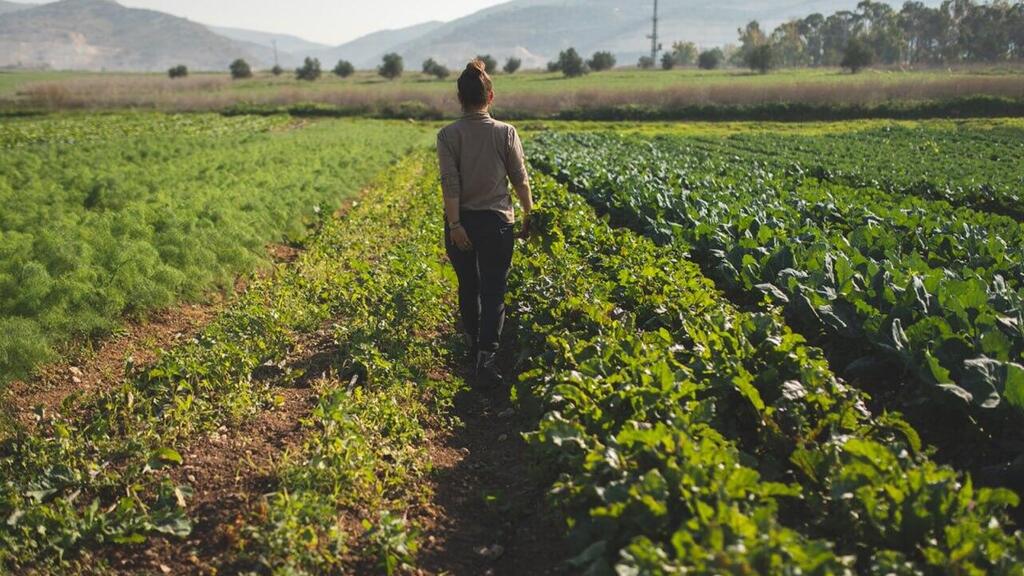
Since the outbreak of Operation Roaring Lion, Iran and Hezbollah have carried out continuous attacks on Israel. While much of the population remains in protected areas, farmers continue working in open fields, facing significant economic damage.
Export paralysis
The fresh herb sector, including basil, rosemary and arugula, exports about 3,500 tons annually, primarily via air freight to Europe and the Far East. At this time of year, when exports are typically at their peak, the suspension of flights has severely disrupted operations, in some cases bringing them to a complete halt.
Beyond the immediate financial losses, there are growing concerns that international customers will lose confidence in Israeli suppliers and terminate future contracts.
The domestic institutional market has also been hit. Due to the war, restaurants and event halls, which consume large quantities of fresh herbs, have reduced operations or shut down entirely, deepening the crisis.
Citrus and avocado sectors under pressure
Export-driven citrus and avocado sectors are also facing serious challenges during the peak marketing season. Each year, Israel exports between 100,000 and 120,000 tons of citrus and about 140,000 tons of avocados by sea.
Due to the security situation, many ships are experiencing prolonged delays at port entrances while awaiting clearance. As a result, storage costs are rising and fruit quality is deteriorating.
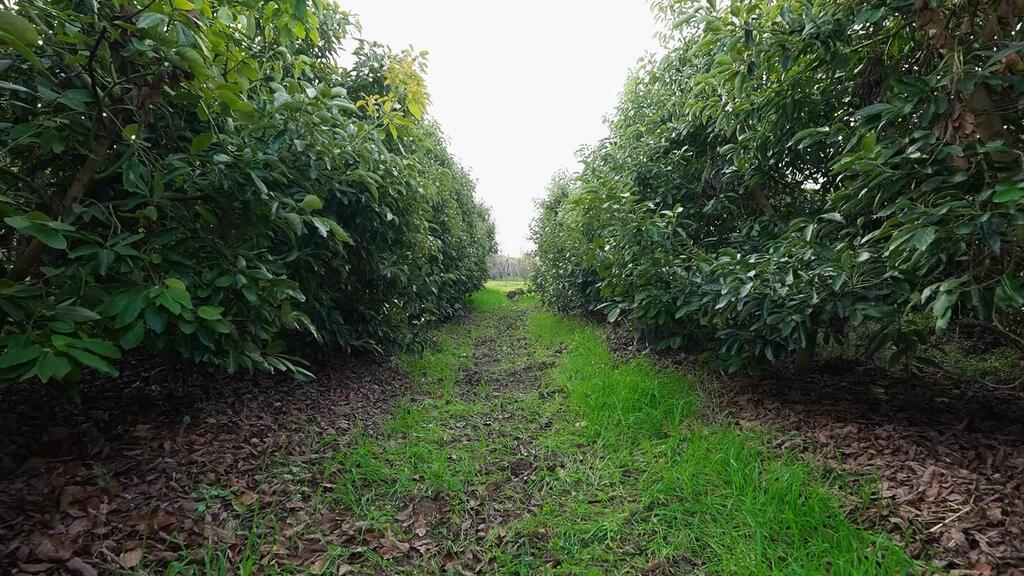
An avocado field
(Photo: Avocado Granot)
Shipping costs have also surged sharply due to increased insurance and fuel expenses linked to the war.
The industrial vegetable sector has also been significantly impacted. Processing plants in northern Israel have reduced operations in line with Home Front Command guidelines, directly affecting their ability to receive produce.
Crops such as peas, whose harvest season is now beginning, along with others already harvested, are not being fully absorbed by factories. This has led to reduced demand and losses of millions of shekels for farmers left without buyers.
Fertilizer prices surge
The halt in imports is not the only blow to farmers. The war with Iran is expected to drive a wave of price increases in fresh produce and food.
A key factor is the combination of rising maritime transport costs and a global fertilizer shortage. Production facilities and infrastructure in the United Arab Emirates, responsible for about 30 percent of the global potassium nitrate and phosphorus fertilizer supply, have been damaged.
Fertilizer prices in Israel have already surged by 180 percent. Since fertilizers account for about 10 percent of agricultural production costs, the increase is expected to directly affect consumer prices.
Plastic prices, a byproduct of oil, have also jumped. Packaging manufacturers in Israel have already announced price increases of up to 35 percent for food companies. This affects not only consumer packaging but also essential agricultural infrastructure, from greenhouse coverings to irrigation systems.