

Israeli cybersecurity startup Tenzai has closed a $75 million Seed round, the largest in the country’s history, the company announced Tuesday. The round surpasses the previous Israeli record set earlier this year by Minimus, which raised $51 million.
Founded in May, Tenzai is developing an AI-based platform for automated penetration testing — a method used to probe software systems for vulnerabilities in the same way hackers would. The tool aims to replace manual testing done by highly specialized and costly experts, offering what the company calls a scalable, always-on alternative.
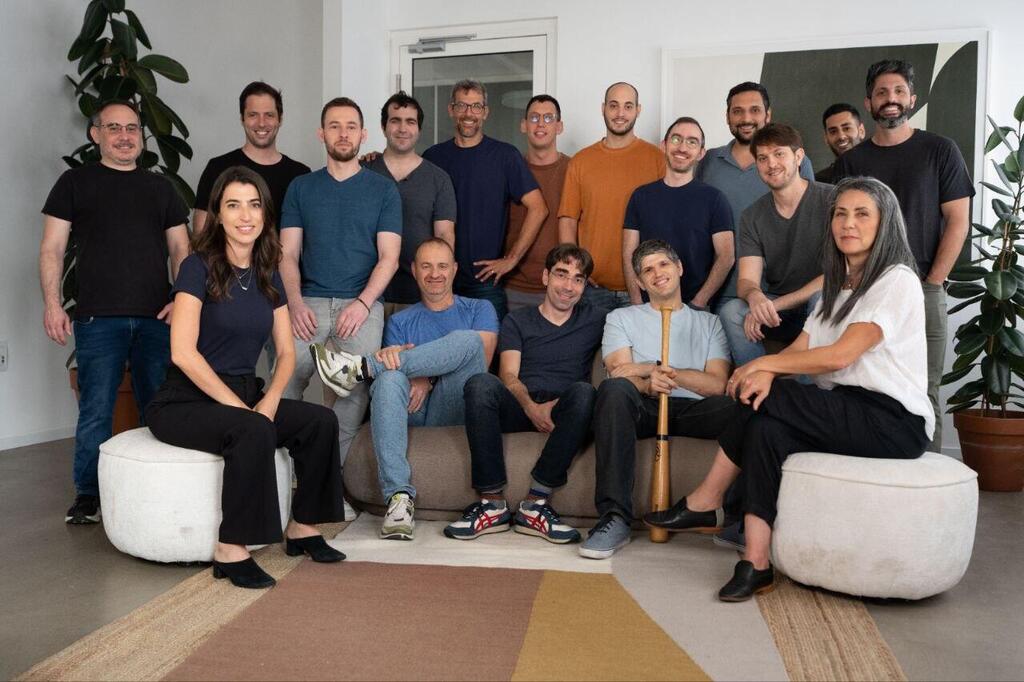
Tenzai was launched by five veterans of the local cybersecurity industry: Pavel Gurvich (CEO), Ariel Zeitlin (CTO), Ofri Zeev (VP Research), Itamar Tal (VP Engineering) and Aner Mazursky (Chief Product Officer). The team previously co-founded Guardicore, which was acquired by Akamai in 2021 for $650 million.
The seed round was led by prominent venture capital firms Battery Ventures, Greylock Partners and Lux Capital, with additional participation from Swish Ventures, Jibe Ventures and others.
“Once we realized AI could perform penetration testing, it was obvious it had to happen now — not in a year or two,” Gurvich told Ynet. “The AI agent is as creative as a human, sometimes more, and it doesn’t rest. We believe there’s a clear opportunity here to build the world’s largest penetration testing company — this is a multi-billion-dollar market.”
Although Tenzai has no paying customers yet, the company is currently collaborating with partners to test the technology on real-world systems. Gurvich said the company is focused on refining the AI agent’s capabilities, rather than rushing to monetize.
“In the past, we had to convince customers that the technology was good,” he said. “This time, the response has been immediate: 'Of course I want this AI — current pen tests are too expensive and not available enough.’”
According to industry sources, the level of investor interest remains high, with multiple firms already courting Tenzai for a possible Series A round, potentially crossing the $100 million mark.
That explains the investor excitement. It seems they were just waiting to reinvest in you.
“It’s a mix of things — our reputation, the fact that we’ve worked together before, our ambition and the size of the market. This market is massive, and we’re aiming to build something huge.”
It doesn’t sound like you had trouble finding investors.
“We were selective. We raised from funds we know and have worked with in the past — funds that truly understand cybersecurity. There was a lot of interest, but the amount we raised is more than enough to hire top talent, accelerate product development and cover the high costs of AI R&D. We’ve already eliminated doubts about the market’s potential, and we’re confident in the early results — the tech is delivering exactly what we set out to build. Plus, this isn’t our first time around — we know how to be disciplined with money, but also how to spend aggressively where it counts.”
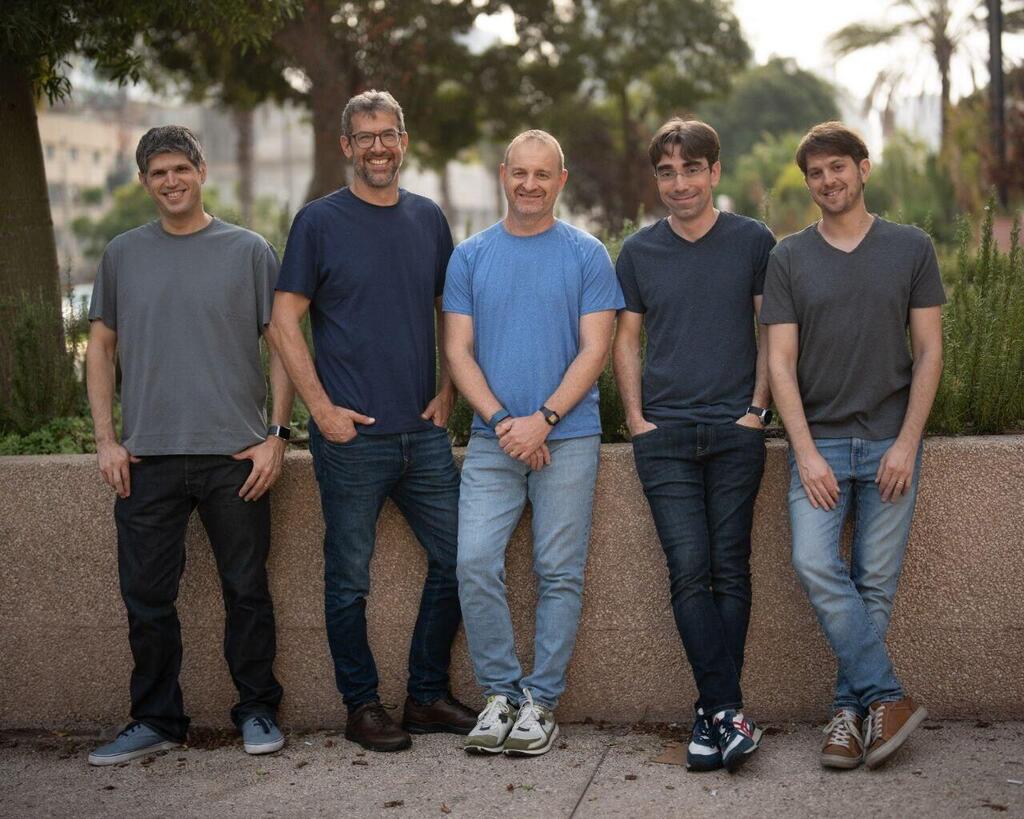
Tenzai founders
(Photo: Elad Malka)
Does that mean a Series A is coming soon?
“Possibly. Right now, we’re focused on hiring and engaging with customers, but we’re getting constant inquiries. Part of the logic behind raising a large seed round is to move fast and stay focused on building the team and delivering value. The biggest companies in the world are heading in this direction, and we believe Israel has the right talent. We wanted to make sure we had the capital to move quickly, to build the fastest-growing product tailored to large organizations — and take a real, bold shot at the market.”
So you're saying Israeli companies can lead the global market?
“Usually, Israeli startups — myself included — do this with one hand tied behind their back, at least when it comes to funding. This time, both we and our investors felt it was right to go full speed.”
Forged in the army and through collaboration
Scott Tobin, a partner at Battery Ventures — one of the lead investors — said the firm also backed the founders’ previous startup, Guardicore: “This is my second time working with Pavel and the team, and I simply wanted to do it again. They’re humble, skilled and incredibly talented. One of the big challenges now is hiring, and they’re building not just a promising company but a strong organizational culture. There was no doubt on our end.”
But the market opportunity surely helped.
“The world is losing its mind over AI right now. More and more code is being written using AI, and each time that happens, a new attack surface is created for hackers to exploit. This is an entirely new market — a massive one — touching every kind of app being built today.”
We’re seeing a trend of larger funding rounds — possibly because startups are now expected to aim for billion-dollar outcomes, not just hundreds of millions.
“There’s a global trend toward raising more capital because the markets these companies are targeting have grown. Not every company tackles a problem as big as Tenzai’s. They’re addressing a massive issue, and if they’re properly funded, they can go after it the right way — through people, product, marketing — everything aligns.”
Tenzai’s founders first met during their military service in Israeli intelligence and later worked together in leading cybersecurity companies. Gurvich and Zeitlin previously co-founded Guardicore alongside Zeev and Tal. “It was a seven-year journey — from angel investors who gave us a million dollars, building a prototype in a garage, all the way to serving some of the world’s biggest customers,” Gurvich said. Mazursky, formerly the CPO at Israeli unicorn Snyk, met Gurvich by chance — a meeting that led to the founding of Tenzai. The company now employs 18 people.
According to company data, over 30% of code written by tech companies today is generated using AI, with many organizations pushing updates several times a day. Despite this rapid pace, security testing is still performed infrequently due to the high cost of human experts, meaning attackers are often the first to find vulnerabilities.
The global penetration testing market is estimated at $8 billion annually and remains largely dependent on hired human consultants brought in for limited testing cycles. Tenzai’s product enables organizations to test large volumes of applications continuously and with high precision, eliminating the bottlenecks tied to the availability and quality of external security professionals.