

The wage gap between men and women in Israel remains wide, with men earning on average 54 percent more than women, according to a wage report released Tuesday by the National Insurance Institute covering the first half of 2025. The lowest average wages were recorded in ultra-Orthodox and Arab cities, including Modi’in Illit, Rahat, Nazareth and Bnei Brak
The report found that the average monthly wage for salaried workers rose 4.5 percent from a year earlier to a record 15,098 shekels, up from 14,655 shekels in the same period in 2024, crossing the 15,000-shekel mark for the first time. Despite the increase, income disparities continued to deepen. The average monthly wage for men stood at 18,441 shekels, compared with 11,940 shekels for women, an increase of about 2 percent in the gender gap from the previous report.
The median monthly wage, a key indicator of inequality, was significantly lower at 10,586 shekels. The gap between the median and average wages reached 43 percent, underscoring the concentration of higher incomes among top earners.
According to the report, 4,032,894 paid jobs were reported nationwide, with total wage payments of 55.3 billion shekels. Most Israeli businesses are small, with 92 percent employing up to 19 workers and 73 percent employing no more than five. The data is drawn from mandatory monthly employer reports to the National Insurance Institute introduced under legislation passed during the 2020 COVID-19 crisis.
An average of 279,647 employers submitted reports during the first half of 2025 through early September, up 2 percent from a year earlier. The number of reported jobs also rose 2 percent to 4,032,894, while the number of salaried employees increased to 3,665,181.
About 320,000 employees, or 9 percent of salaried workers, held more than one job. Those with two jobs earned less on average than single-job holders, 13,746 shekels compared with 15,194, while workers with four or more jobs earned the highest average wage, 19,271 shekels. Multiple jobholding was more common among women, accounting for 196,887 workers, or 10 percent of female employees, compared with 122,934 men, or 7 percent.
Average wages were highest among workers ages 50 to 59, at 20,287 shekels, followed by ages 40 to 49 at 19,631 shekels, 30 to 39 at 16,142 shekels, and those 60 and older at 14,676 shekels. Workers ages 20 to 29 earned an average of 8,669 shekels, while those under 20 earned 2,994 shekels.
Median wages followed a similar pattern, though workers ages 40 to 49 ranked highest, followed by those ages 50 to 59.
Women were disproportionately represented at the lower end of the wage distribution, accounting for 49 percent of workers in the lowest five income deciles. Men dominated the upper income brackets, making up 45 percent of workers in deciles seven through 10. The gap was most pronounced in the top decile, where men’s wages exceeded women’s by 166 percent.
According to age
The average wage gap between men and women widens with age, increasing steadily until age 60. The highest average monthly wages during the period surveyed were recorded in electricity, gas, steam and air conditioning supply and in information and communications, at 31,922 shekels and 30,256 shekels, respectively. These sectors also posted the highest median wages, at 28,612 shekels and 23,505 shekels.
The lowest average and median wages were found in accommodation and food services, at 6,306 shekels and 4,471 shekels, respectively — 54 percent below the economywide average wage of 13,733 shekels and 52 percent below the median wage of 9,296 shekels for the period. The sectors with the largest number of jobs were wholesale and retail trade, with 507,226 positions, followed by local and public administration and defense, with 469,628, and health and social services, with 428,937.
Most employers in Israel are small. In the first half of 2025, employers with up to 19 salaried workers accounted for an average of 92 percent of all employers, while 73 percent employed no more than five workers.
Who’s on top?
Among Israel’s 27 largest cities with populations of more than 75,000, the highest average monthly wages were recorded in Herzliya (22,951 shekels), Ra’anana (22,565), Modi’in-Maccabim-Re’ut (22,512) and Tel Aviv (22,359). The lowest average monthly wages among large cities were found in Modi’in Illit (8,161 shekels), Rahat (9,548), Bnei Brak (9,563) and Nazareth (9,924).
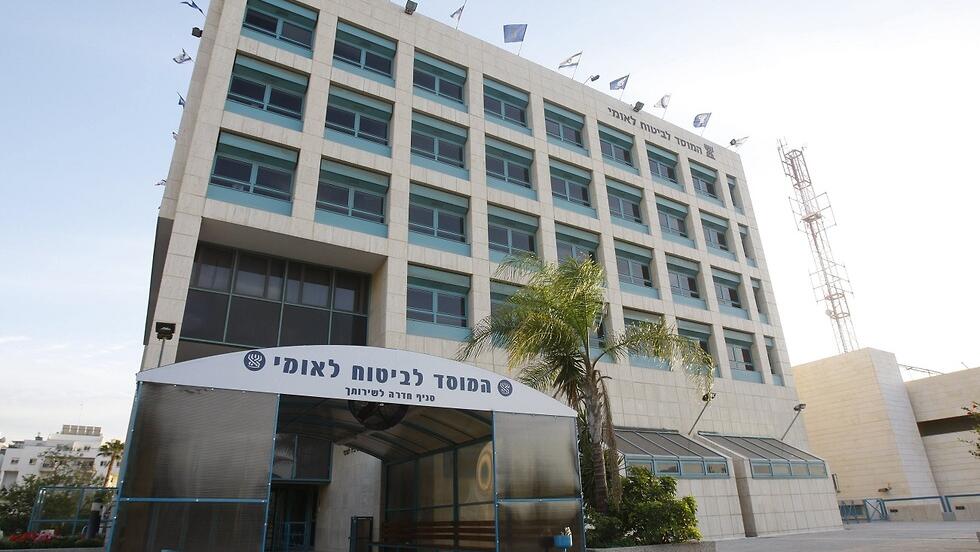
National Insurance Institute
(Photo: Nimrod Glickman)
The highest median wage during the period surveyed was recorded in Modi’in-Maccabim-Re’ut, at 16,402 shekels, followed by Herzliya at 14,525. Jerusalem had the largest number of salaried employees among major cities, with 287,984 workers.
Zvika Cohen, acting director general of the National Insurance Institute, said the wage data points to “an active and growing labor market alongside deepening social gaps that require long-term economic policy.” Strengthening wages in welfare, health and education, he said, “is not only a social issue but a moral obligation of the State of Israel as a condition for economic stability and national resilience.” Cohen said the official wage report, published for the second time, is intended to provide transparent, comprehensive data as a key tool for policymakers addressing challenges in Israel’s economy.